GuidesComparisons
Roundup

Breville Barista Express Alternatives

Five espresso machines worth buying instead, sorted by why you're looking: the work, the grinder, the wait or the price.

By Dana WhitfieldUpdated October 2026
5 products compared8 min read
Breville Barista Express Alternatives

The one to beat

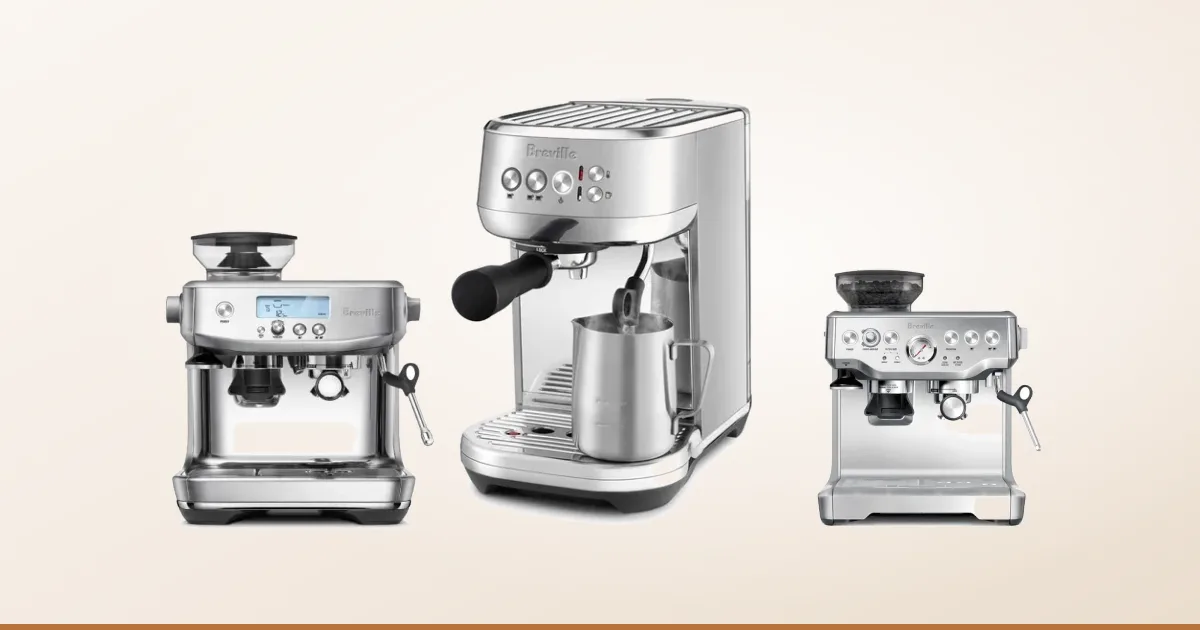
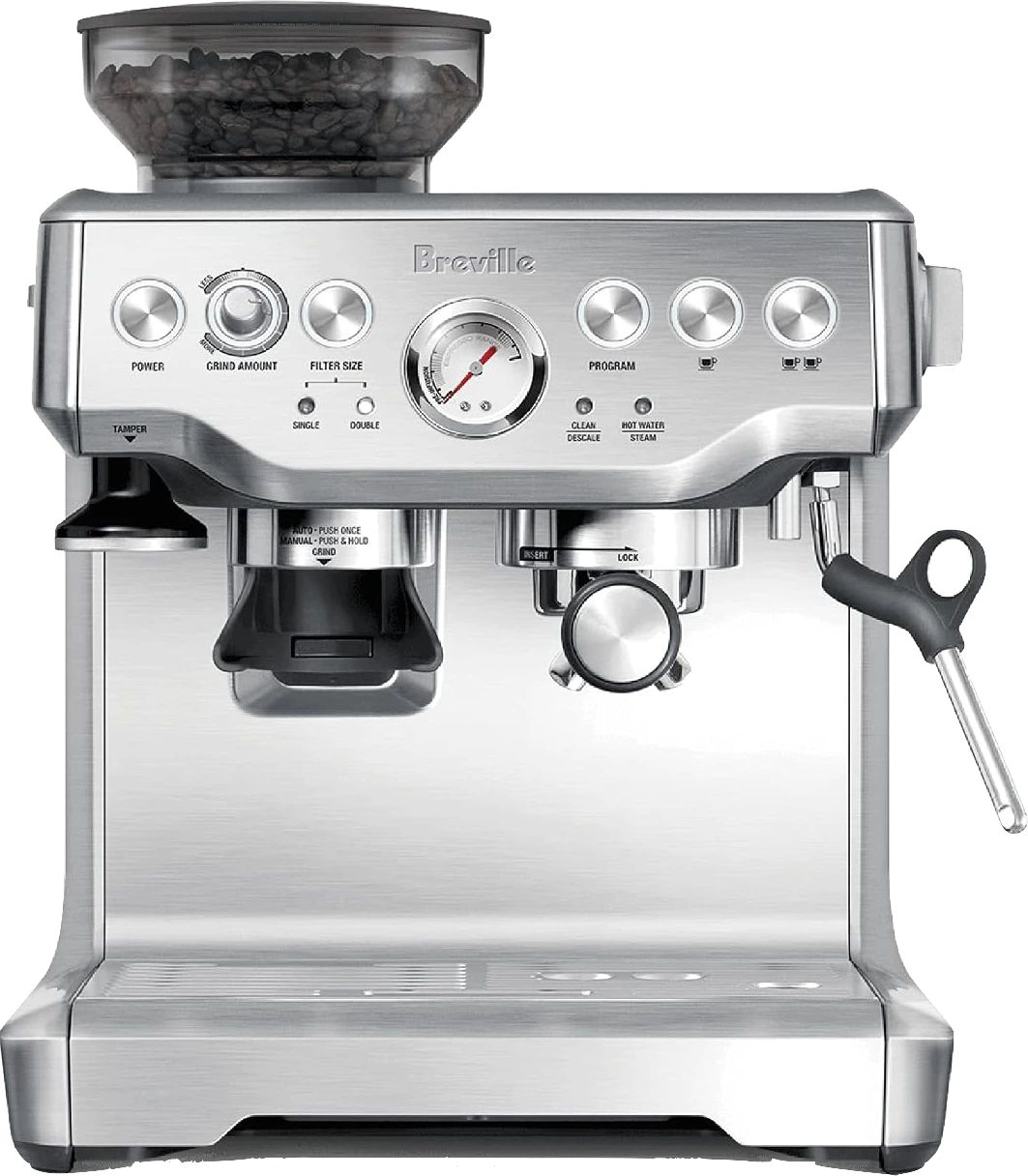
Breville Barista Express

Breville Barista Express

$685 · 9/10

This is the machine everything below is measured against, and for a lot of people it’s still the right buy: a grinder, a PID-controlled machine and a manual steam wand in one body, with more owner tutorials than any other home espresso machine. If you want to learn espresso properly and keep one box on the counter, buy it. The machines below win on ease, grinder quality, speed or price. The one that’s a straight upgrade, the Barista Pro, costs more.

Check price on Amazon

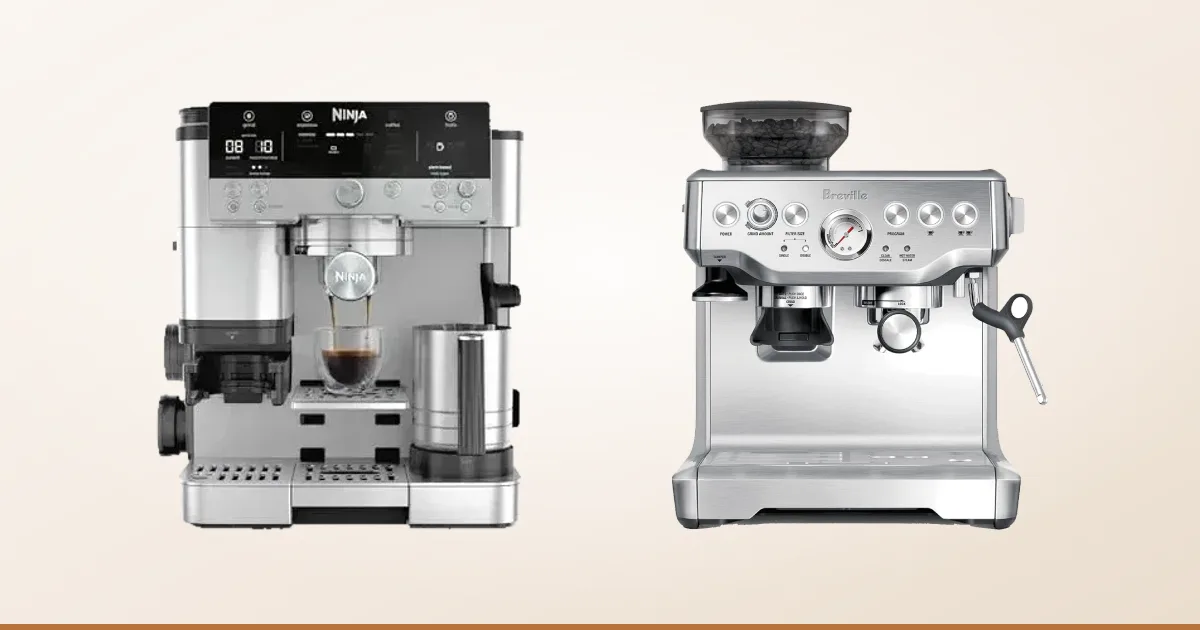
The Breville Barista Express is the espresso machine most people are told to buy first: a conical burr grinder, a PID-controlled machine and a steam wand in one body for $685. It also makes you do every job by hand. You set the grind, judge the dose, tamp, and learn the milk on a manual wand, and the grinder inside it can't be upgraded or serviced apart from the machine. Any one of those is a fair reason to look at something else.

Which one it is decides the answer, so this page is sorted by reason rather than ranked one to five. Someone who wants the machine to take over the work needs a different machine from someone who wants a better grinder, and a list that ignores the difference sends both to the same compromise.

Quick picks

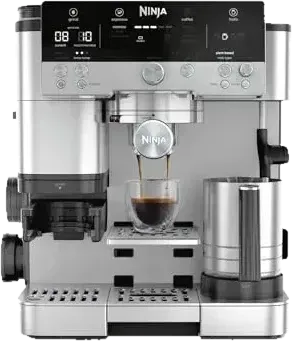
Ninja Luxe Café PremierEasiest All-in-One

Ninja Luxe Café Premier

$599

A grinder that doses by weight, a tamper that levels the puck for you and milk that froths itself. Espresso, drip coffee and cold brew from one machine, with almost nothing left to get wrong.

Jump to review
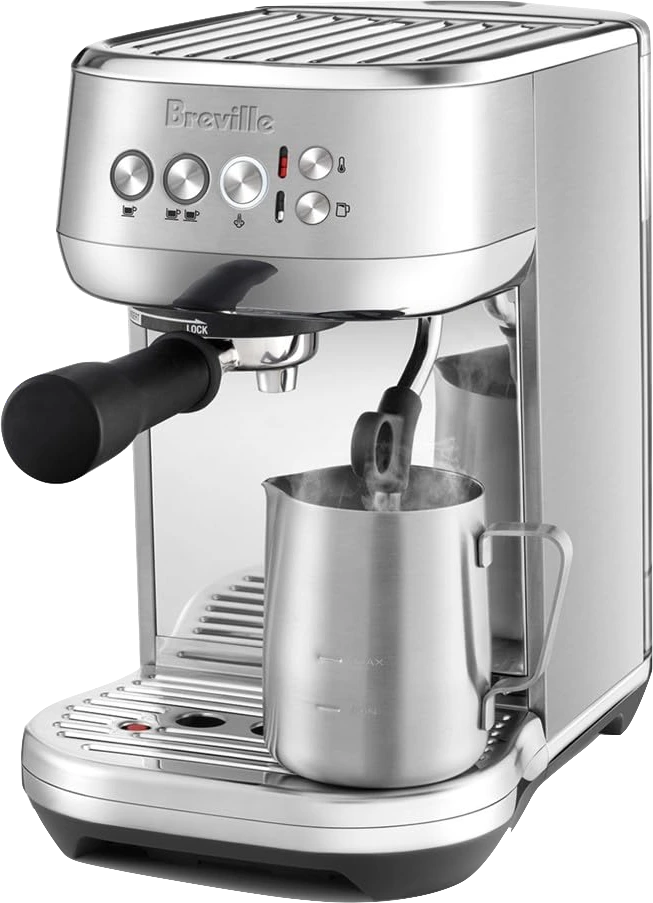
Breville Bambino PlusOur Top Pick

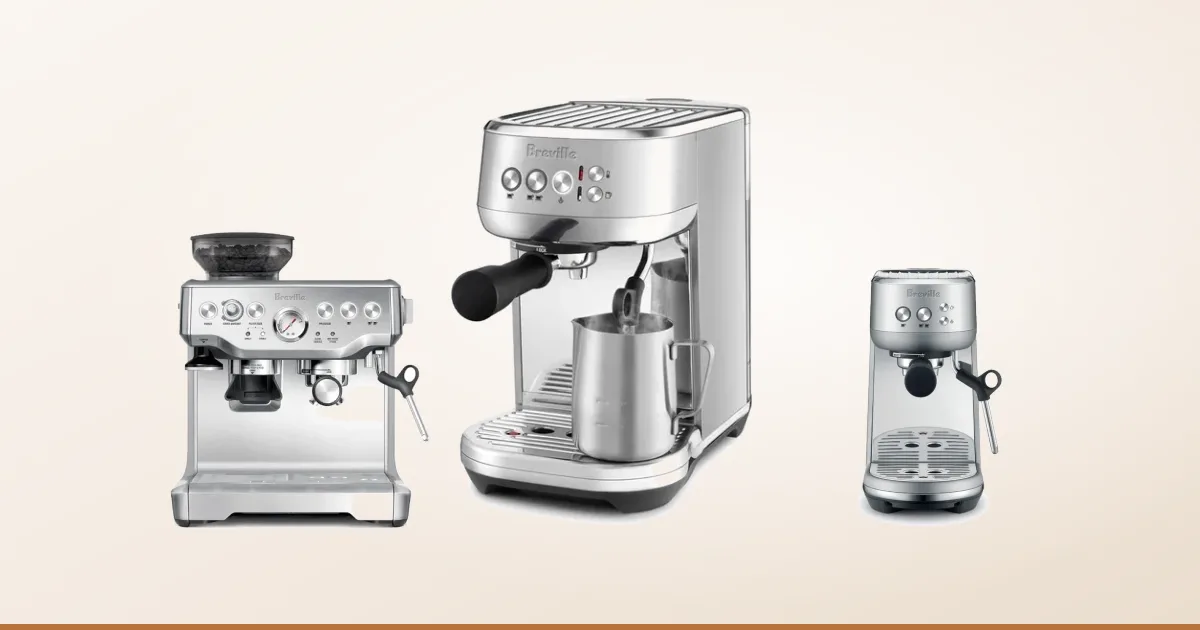
Breville Bambino Plus

$485

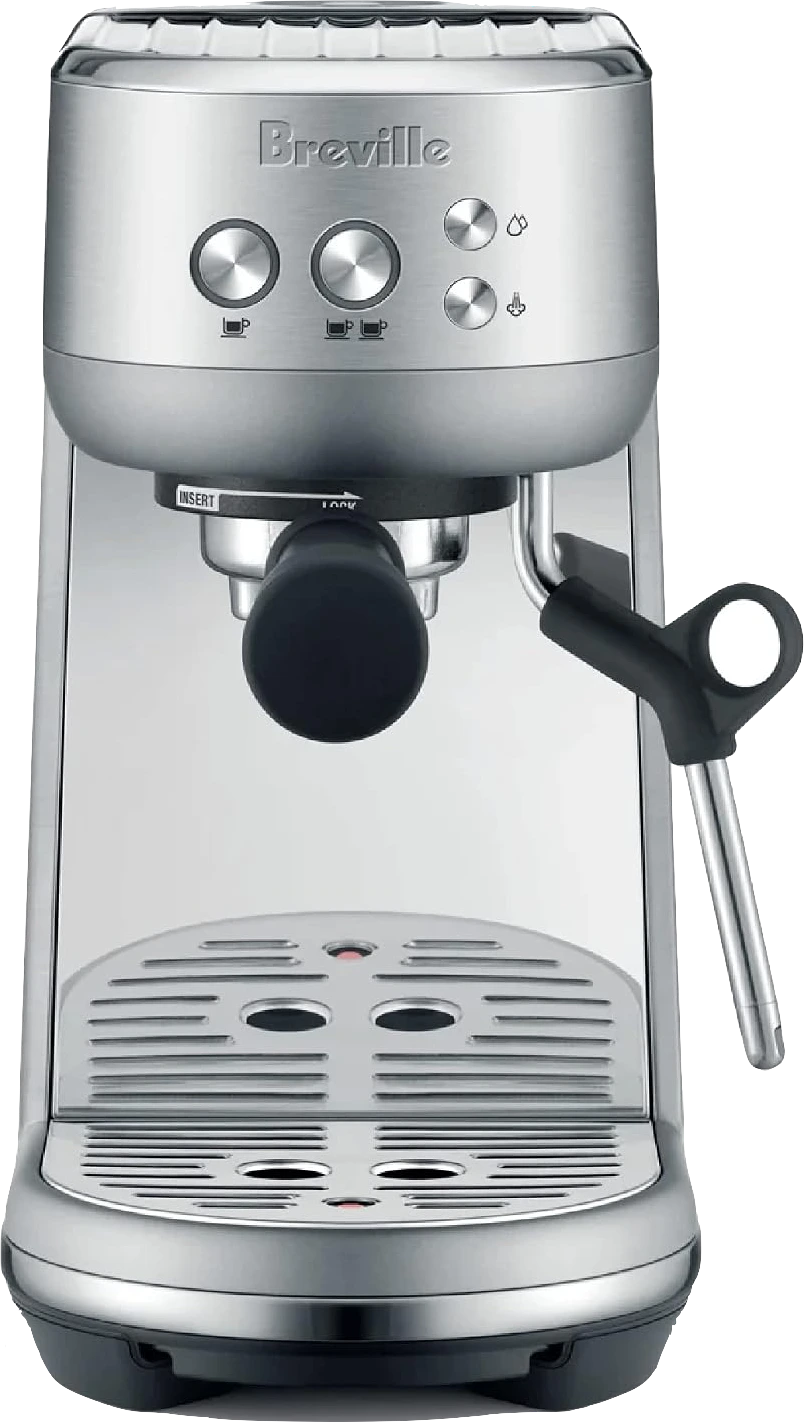
The easiest way to start making real espresso at home. Heats up in 3 seconds, froths milk automatically, and fits in tight kitchens.

Jump to review
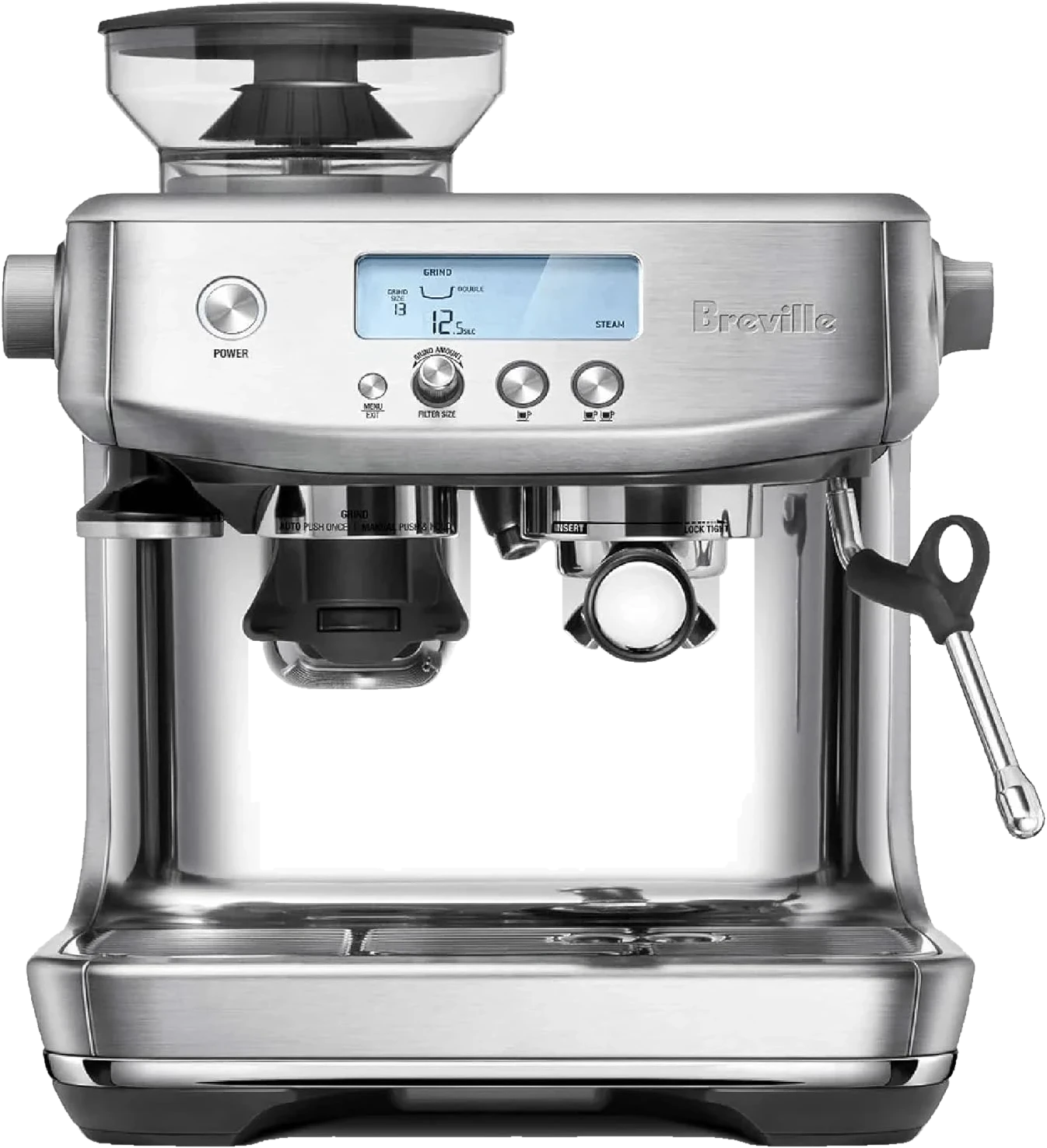
Breville Barista ProBest All-in-One

Breville Barista Pro

$823

The Barista Express with the two things it was missing: ThermoJet heating and PID temperature control. Built-in conical burr grinder, three-second heat-up.

Jump to review

If you want the machine to do the work

The Express makes you set the grind, judge the dose, tamp and learn a manual steam wand. This one keeps the grinder in the box and takes over all of it, at $599 against the Express's $685.

Easiest All-in-One
Ninja Luxe Café Premier

Ninja

Ninja Luxe Café Premier

$599.00
9.1/ 10

Why we love it

Every all-in-one espresso machine puts the grinder in the box. The Luxe Café also takes over the three jobs that make a beginner’s first month miserable. The conical burr grinder has 25 settings and weighs the dose rather than timing it, so a change of beans doesn’t quietly change how much coffee is in the basket. An assisted tamper presses the puck level without you having to judge the force. A spinning whisk paired with the steam wand textures the milk on four presets, from steamed milk to cold foam, and you can walk away while it does. Ninja’s listing also says the machine adjusts temperature and pressure for the drink you select. On top of that it brews a drip-style coffee in six to eighteen ounces and cold brew, so the person in the house who doesn’t drink espresso uses it too. What it doesn’t do is teach you espresso: the machine makes the decisions, which is the point if you want a latte at 7am.

Pros

  • Weight-based dosing straight from a 25-setting conical burr grinder
  • Assisted tamper presses the puck for you
  • Hands-free frothing: whisk plus steam, four presets including cold foam
  • Drip coffee and cold brew as well as espresso
  • Onboard storage for the tamper, baskets and cleaning kit

Cons

  • Little to learn from: the machine makes the dialing-in decisions
  • Ninja doesn’t state the portafilter size, so third-party baskets and tampers are a gamble
  • Much less owner history than the Breville Barista machines
  • The Pro version’s hot-water spout and lever tamper aren’t on this model
If it's the grinder

The built-in grinder is the Express's weakest part, and it can't be upgraded or serviced apart from the machine. Buy a machine without one and pair it with a dedicated espresso grinder: the Bambino Plus for milk drinks from day one, the Gaggia Classic Pro for a 58mm machine you won't outgrow.

Our Top Pick
Breville Bambino Plus

Breville

Breville Bambino Plus

$485.00
9.4/ 10

Why we love it

The Bambino Plus removes every barrier to good espresso. The ThermoJet heating system is ready in 3 seconds — no waiting around. The automatic steam wand handles milk frothing for you, which means you're making lattes on day one without learning steam wand technique. It pulls consistent, balanced shots through a 54mm portafilter, and the whole machine is barely bigger than a toaster. If you want one machine that just works from the moment you unbox it, this is it.

Pros

  • Ready to brew in 3 seconds — fastest heat-up in its class
  • Automatic milk frothing takes the guesswork out of lattes
  • Compact footprint fits under cabinets and on small counters
  • PID temperature control for consistent shot quality
  • Pre-infusion helps extract flavor evenly

Cons

  • No built-in grinder — you'll need to buy one separately or use pre-ground
  • 54mm portafilter limits your upgrade path for accessories
  • Automatic steam wand gives less control than a manual one
Best for Growing Into
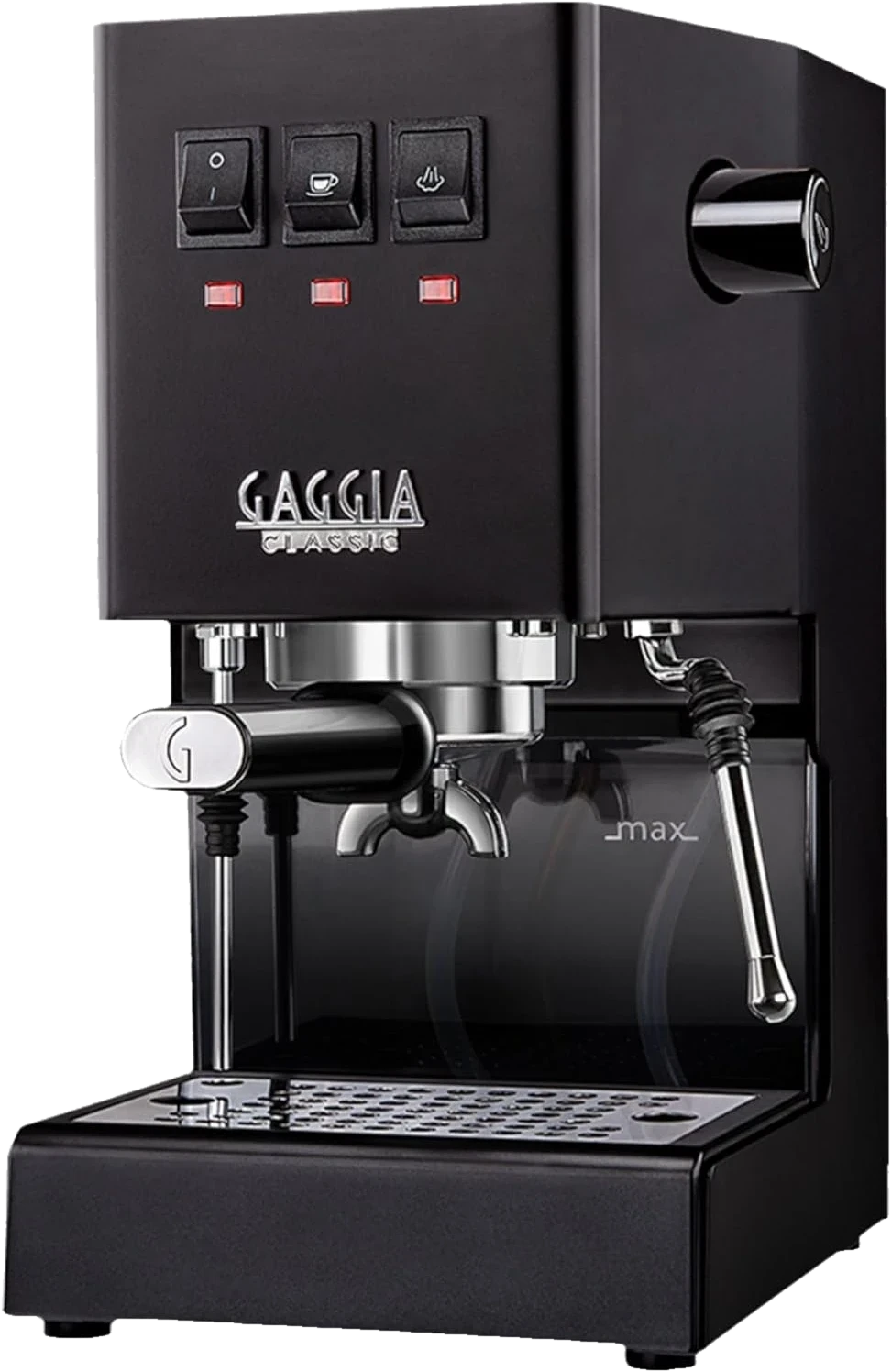
Gaggia Classic Evo Pro

Gaggia

Gaggia Classic Evo Pro

$505.09
8.8/ 10

Why we love it

The Gaggia Classic Evo Pro is the machine serious coffee people recommend to beginners who know they're going to stick with this hobby. It's made in Italy with a stainless steel body, a commercial-spec 58mm portafilter, a 3-way solenoid valve for clean puck removal, and 9-bar extraction pressure — the same standard used in specialty coffee shops. It doesn't automate anything for you, which means there's more to learn, but it also means you're building real barista skills from day one. The huge modding community means you can add a PID controller, swap baskets, upgrade the steam wand tip — this machine grows with you instead of holding you back.

Pros

  • Commercial 58mm portafilter — same size as pro machines
  • Made in Italy with stainless steel construction
  • 9-bar extraction meets specialty coffee standards
  • 3-way solenoid valve for dry, clean puck knock-out
  • Massive upgrade and modding ecosystem

Cons

  • No built-in grinder — requires a quality burr grinder ($100–200+)
  • Steeper learning curve than more automated machines
  • Single boiler means you wait between brewing and steaming
  • Needs 8–10 minutes to fully heat up

Which grinder goes with it?

Most budget burr grinders can't hold an espresso-fine setting, so the grinder you pair decides whether this works. Our pairings are matched by total spend, and every grinder in them can grind for espresso.

See machine and grinder pairings→

If it's the wait

The same all-in-one idea with ThermoJet heating: ready in three seconds, no pause between the shot and the milk, and PID that holds brew temperature within 2°C. It costs more than the Express, not less.

Best All-in-One
Breville Barista Pro

Breville

Breville Barista Pro

$822.69
9.2/ 10

Why we love it

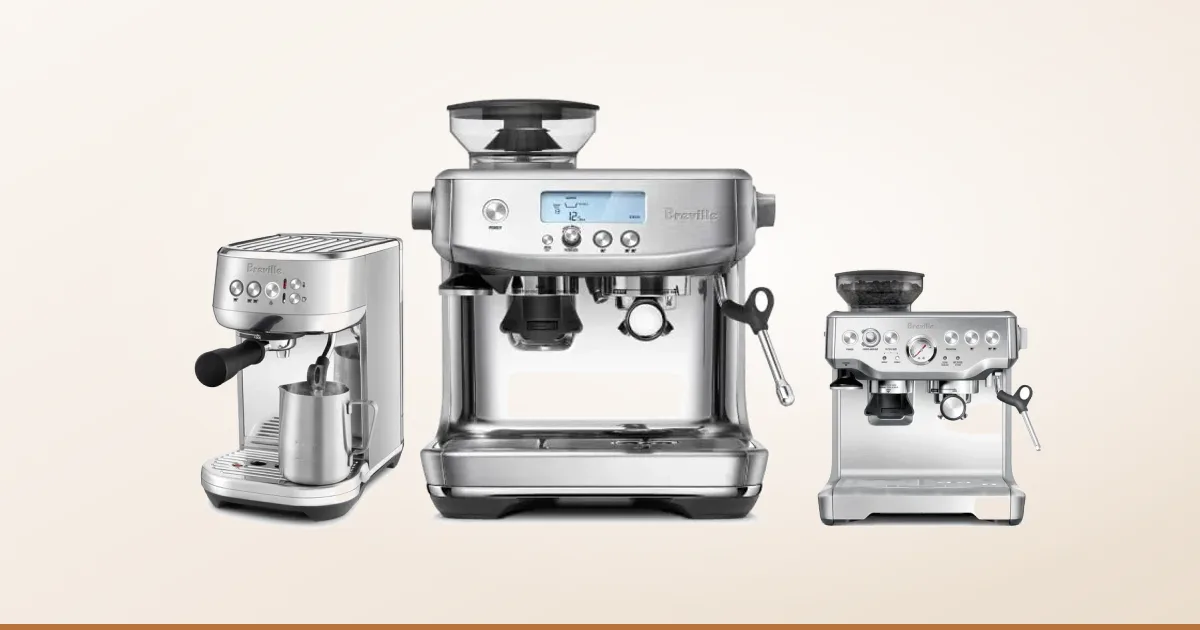
The Barista Express is the machine everyone recommends and the Pro is what it should have been. Same idea — grinder and espresso machine in one body — but with the ThermoJet system from the Bambino, so it reaches extraction temperature in three seconds instead of waiting on a thermocoil, and it switches from espresso to steam instantly rather than making you pause between the shot and the milk. PID regulation holds the brew temperature to within 2°C, which is the difference between a machine that is consistent and one that is consistent once it has warmed up. The integrated grinder doses straight into the portafilter and is genuinely good, if not the equal of a $200 standalone. What you are buying at around $825 is the all-in-one convenience without the Express’s two real compromises.

Pros

  • ThermoJet heat-up in 3 seconds, and no wait between shot and steam
  • PID holds brew temperature within 2°C
  • Integrated conical burr grinder doses into the portafilter
  • Low-pressure pre-infusion for a more even extraction
  • One body, one plug — the whole setup in a moderate footprint

Cons

  • $140 more than the Barista Express for heating and PID
  • Built-in grinder can’t be upgraded or serviced separately
  • 54mm portafilter, not the 58mm commercial size
  • Manual steam wand — milk texturing is a skill you still have to learn

If it's the price

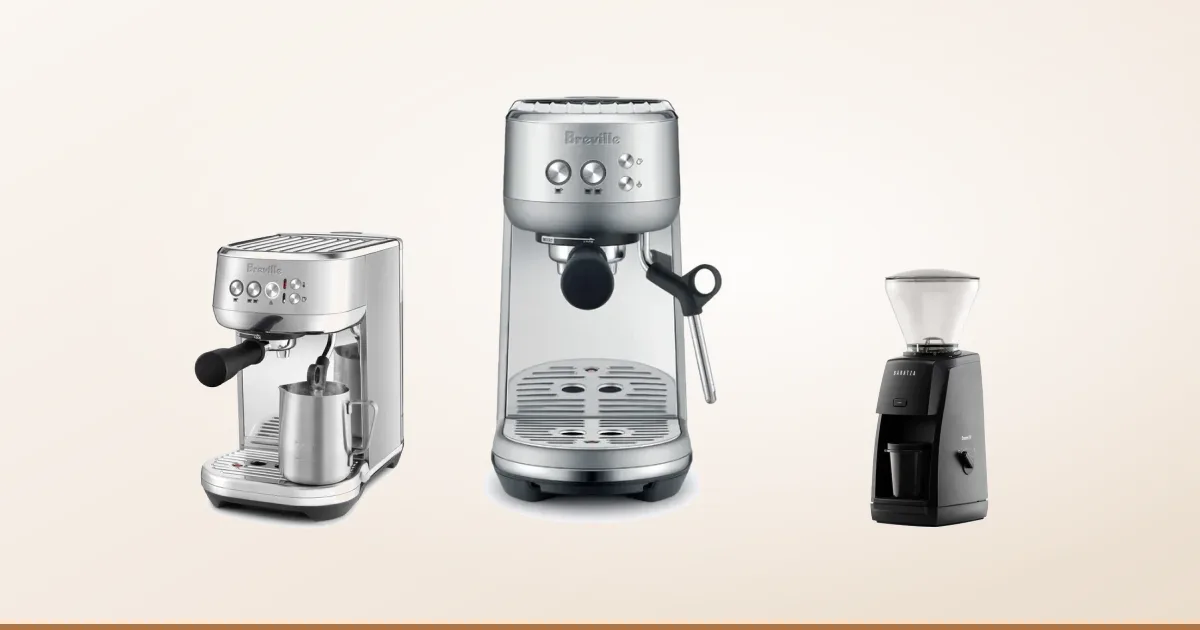
The cheapest way into the machines on this page. It has no grinder, so budget for one; a Baratza Encore ESP at $200 makes it a complete setup with a better grinder than the Express's.

Best Value
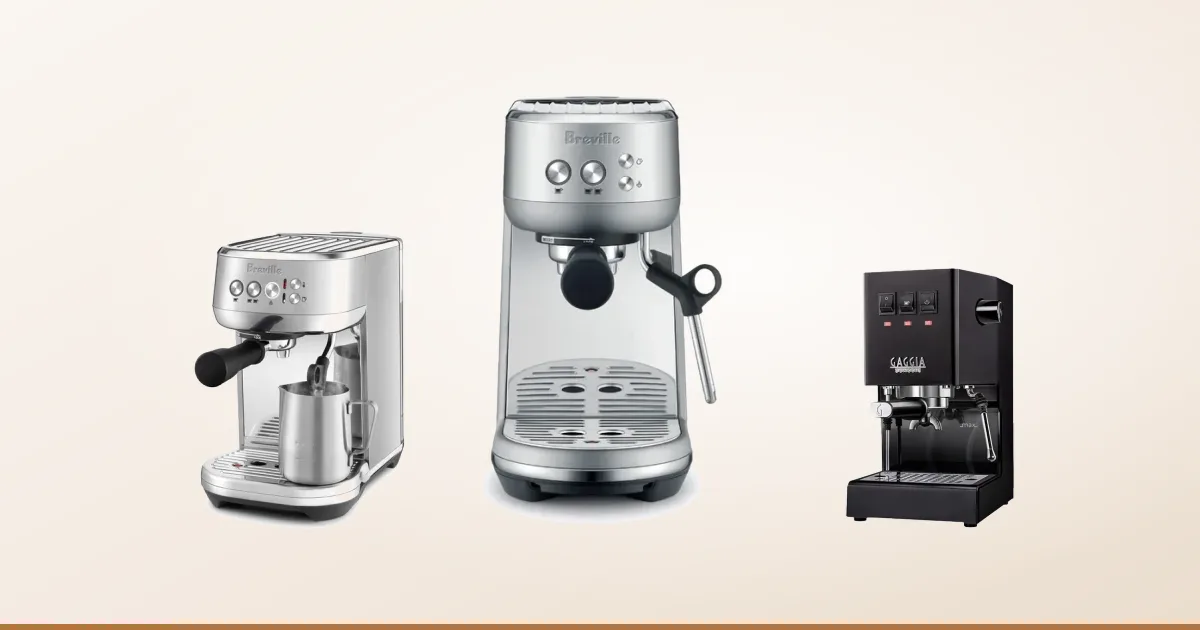
Breville Bambino

Breville

Breville Bambino

$299.95
9/ 10

Why we love it

The Bambino is the Bambino Plus's younger sibling. You get the same ThermoJet heating system (3-second heat-up), the same 54mm portafilter, the same PID temperature control, and the same compact footprint. The difference? The steam wand is manual instead of automatic. That means you'll need to learn to froth milk yourself — but a lot of people actually prefer this, because you get more control over texture and temperature. It also comes with both pressurized and non-pressurized baskets, so you can start easy and level up your technique over time. At $300, it's $185 less than the Plus and arguably the best value in beginner espresso machines.

Pros

  • Same 3-second ThermoJet heat-up as the Bambino Plus
  • PID temperature control for consistent shots
  • Includes both pressurized and non-pressurized baskets
  • Manual steam wand gives more control over milk texture
  • $185 less than the Bambino Plus

Cons

  • Manual steam wand requires practice to master
  • No built-in grinder — separate purchase needed
  • 54mm portafilter is smaller than the 58mm standard

How we chose these

Every machine here was read against the Barista Express on the four things owners leave it over: how much of the workflow the machine does for you, the grinder, heat-up and the switch from shot to steam, and the price. Specs come from each listing and from what the manufacturer publishes, and where a manufacturer doesn't state one, we say so. Prices are checked against Amazon and regenerated at build time rather than typed.

What to know before you switch

What's the best alternative to the Breville Barista Express?

The Ninja Luxe Café Premier at $599, for most people looking. It keeps the Express's one-box idea and takes over the three jobs that make the Express hard: its grinder doses by weight, an assisted tamper levels the puck, and the milk froths itself on four presets. It also brews drip coffee and cold brew. What you give up is the Express's long owner history and the skills you'd build working it by hand. Our Ninja Luxe Café vs Barista Express comparison goes through the trade line by line.

Is the Breville Barista Express worth it?

Yes, if you want to learn espresso properly and keep one box on the counter. At $685 you get a grinder, a PID-controlled machine and a manual steam wand that teaches real milk texturing, plus more owner tutorials than any other home machine. It's the wrong buy if you want a latte without learning anything, where the Ninja Luxe Café fits better, or if you already know the grinder matters most, where a Bambino Plus and a dedicated grinder do better.

Is the Breville Barista Express grinder good?

Good enough to learn on, and the weakest part of the machine. It doses straight into the portafilter and its dial makes changes easy to repeat, but a dedicated espresso grinder adjusts finer and holds a setting better. It also can't be replaced without replacing the machine. If the grinder is the reason you're looking, buy a machine without one: the Bambino Plus at $485 or the Gaggia Classic Pro at $505, paired with a grinder from our machine and grinder pairings.

What's a cheaper alternative to the Breville Barista Express?

The Breville Bambino at $300. It's the same ThermoJet heating as the Bambino Plus with a manual steam wand, and it has no grinder, so budget for one: a Baratza Encore ESP at $200 makes it a complete setup with a better grinder than the one inside the Express. The Ninja Luxe Café at $599 is the cheaper route if you want the grinder in the same box.

Should I buy the Barista Express or the Barista Pro?

The Barista Pro at $823 if you make milk drinks most mornings. It's the Express with ThermoJet heating, so it's ready in three seconds and goes from shot to steam with no pause, and its PID holds brew temperature within 2°C. The Express at $685 makes the same kind of espresso more slowly. If you mostly drink straight shots, the wait barely matters and the Express is the better value.

Is the Breville Barista Express hard to use?

It's harder than most machines at its price, on purpose. You adjust the grind, dose and tamp by hand and texture milk on a manual wand, so the first few weeks are spent dialling in. That's the reason to buy it if you want to learn. If you'd rather not, the Ninja Luxe Café weighs the dose, tamps and froths for you, and the Bambino Plus froths the milk automatically while leaving the shot to you.

Bottom line

If you want an all-in-one that does the hard parts for you, buy the Ninja Luxe Café Premier: it doses by weight, tamps and froths the milk itself. If the built-in grinder is the problem, buy a Bambino Plus for easy milk drinks or a Gaggia Classic Pro to grow into, and pair either with a real espresso grinder. If it's the wait between shot and steam, the Barista Pro fixes exactly that and costs more. If it's the price, the Bambino plus a Baratza Encore ESP is the cheaper complete setup. And if none of those reasons fit, the Barista Express was probably the right machine all along.

Related guides

Stay in the loop

New gear reviews, brew tips, and the occasional deal — straight to your inbox. No spam, ever.