GuidesComparisons
Roundup

Best Espresso Machines Under $500

Five machines that clear the bar, what each one gives up to get there, and why the grinder budget matters more than the last stretch of machine budget.

By Dana WhitfieldUpdated September 2026
5 products compared10 min read
Best Espresso Machines Under $500

Under $500 is where home espresso is actually decided. Below it the machines stop holding temperature reliably; above it you are mostly buying automation, a grinder in the same box, or a build that will outlive you. The coffee does not improve much in either direction.

So the question on this page isn’t which machine is best — it’s what each one gives up to land under the ceiling, because they give up different things. One drops the milk automation, one drops the fast heat-up, one drops almost everything and keeps the parts that matter.

And a warning that costs people more money than any machine on this page: if the budget is $500 total, do not spend it all here. A $105 machine with a real espresso grinder makes better coffee than a $500 machine with a cheap one, and it isn’t close.

Quick picks

Breville BambinoBest Value

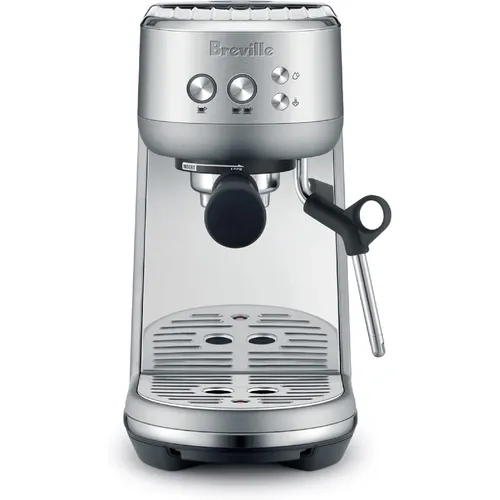
Breville Bambino

$300

Everything great about the Bambino Plus, minus the automatic steam wand. Save $200 and learn manual milk frothing instead.

Jump to review
De'Longhi Dedica ArteBest for Small Spaces

De'Longhi Dedica Arte

$300

The slimmest real espresso machine you can buy — now with a LatteArt steam wand for professional-style milk texturing. Perfect for tight counters, apartment kitchens, and anyone who wants café-quality drinks without the bulk.

Jump to review
Breville Bambino PlusOur Top Pick

Breville Bambino Plus

$500

The easiest way to start making real espresso at home. Heats up in 3 seconds, froths milk automatically, and fits in tight kitchens.

Jump to review

Gives up the automatic milk

The same shot for meaningfully less. You learn the steam wand, which takes about a month, and you keep the difference for a grinder.

Best Value
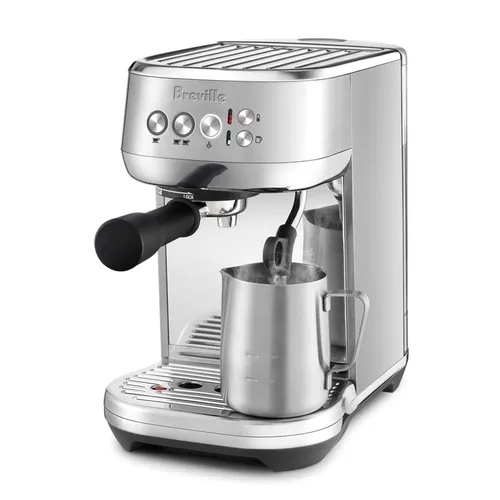
Breville Bambino

Breville

Breville Bambino

$299.95
9/ 10
Check price on Amazon

Why we love it

The Bambino is the Bambino Plus's younger sibling. You get the same ThermoJet heating system (3-second heat-up), the same 54mm portafilter, the same PID temperature control, and the same compact footprint. The difference? The steam wand is manual instead of automatic. That means you'll need to learn to froth milk yourself — but a lot of people actually prefer this, because you get more control over texture and temperature. It also comes with both pressurized and non-pressurized baskets, so you can start easy and level up your technique over time. At $300, it's $200 less than the Plus and arguably the best value in beginner espresso machines.

Pros

  • Same 3-second ThermoJet heat-up as the Bambino Plus
  • PID temperature control for consistent shots
  • Includes both pressurized and non-pressurized baskets
  • Manual steam wand gives more control over milk texture
  • $200 less than the Bambino Plus

Cons

  • Manual steam wand requires practice to master
  • No built-in grinder — separate purchase needed
  • 54mm portafilter is smaller than the 58mm standard
  • No dedicated hot water button for Americanos
Best for Small Spaces
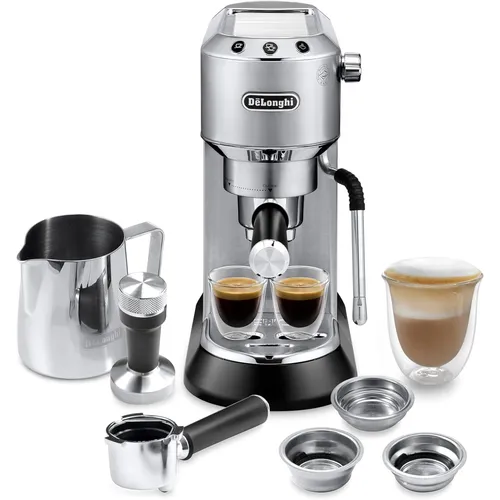
De'Longhi Dedica Arte

De'Longhi

De'Longhi Dedica Arte

$299.95
8.2/ 10
Check price on Amazon

Why we love it

The Dedica Arte is only 6 inches wide. That's narrower than most coffee makers, and it still pulls genuine espresso with 15 bars of pressure. The standout upgrade over older Dedica models is the LatteArt steam wand — a panarello-style wand that makes it genuinely easy to texture milk and pour latte art from day one. It heats up in about 40 seconds and has a clean stainless steel design that looks sharp on any counter. The pressurized baskets are forgiving for beginners — you don't need a perfect grind to get a decent shot. It's the best option if counter space is your biggest constraint and you want something that feels like a real espresso machine, not a toy.

Pros

  • Ultra-slim 6-inch profile — fits anywhere
  • LatteArt steam wand makes milk texturing accessible for beginners
  • Attractive stainless steel design
  • 40-second heat-up time
  • Works with ESE pods as a convenience option

Cons

  • Pressurized baskets limit espresso quality ceiling
  • Plastic internals in some areas feel less premium
  • Small water tank (35 oz) needs frequent refills

Gives up almost nothing

Right at the ceiling, and still automatic milk texturing with a three-second heat-up. The most machine you can buy under $500.

Our Top Pick
Breville Bambino Plus

Breville

Breville Bambino Plus

$499.95
9.4/ 10
Check price on Amazon

Why we love it

The Bambino Plus removes every barrier to good espresso. The ThermoJet heating system is ready in 3 seconds — no waiting around. The automatic steam wand handles milk frothing for you, which means you're making lattes on day one without learning steam wand technique. It pulls consistent, balanced shots through a 54mm portafilter, and the whole machine is barely bigger than a toaster. If you want one machine that just works from the moment you unbox it, this is it.

Pros

  • Ready to brew in 3 seconds — fastest heat-up in its class
  • Automatic milk frothing takes the guesswork out of lattes
  • Compact footprint fits under cabinets and on small counters
  • PID temperature control for consistent shot quality
  • Pre-infusion helps extract flavor evenly

Cons

  • No built-in grinder — you'll need to buy one separately or use pre-ground
  • 54mm portafilter limits your upgrade path for accessories
  • Automatic steam wand gives less control than a manual one

Gives up the convenience, keeps the build

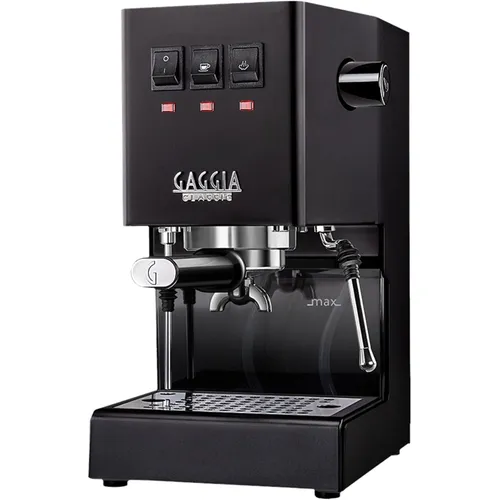
A commercial 58mm portafilter and a metal body you can still be repairing in ten years. Slower, fussier, and the one people keep.

Best for Growing Into
Gaggia Classic Evo Pro

Gaggia

Gaggia Classic Evo Pro

$499.00
8.8/ 10
Check price on Amazon

Why we love it

The Gaggia Classic Evo Pro is the machine serious coffee people recommend to beginners who know they're going to stick with this hobby. It's made in Italy with a stainless steel body, a commercial-spec 58mm portafilter, a 3-way solenoid valve for clean puck removal, and 9-bar extraction pressure — the same standard used in specialty coffee shops. It doesn't automate anything for you, which means there's more to learn, but it also means you're building real barista skills from day one. The huge modding community means you can add a PID controller, swap baskets, upgrade the steam wand tip — this machine grows with you instead of holding you back.

Pros

  • Commercial 58mm portafilter — same size as pro machines
  • Made in Italy with stainless steel construction
  • 9-bar extraction meets specialty coffee standards
  • 3-way solenoid valve for dry, clean puck knock-out
  • Massive upgrade and modding ecosystem

Cons

  • No built-in grinder — requires a quality burr grinder ($100–200+)
  • Steeper learning curve than more automated machines
  • Single boiler means you wait between brewing and steaming
  • Needs 8–10 minutes to fully heat up

Gives up everything except the essentials

A pump, a boiler and a steam wand. Buy it when the grinder is the priority, which under $500 it usually should be.

Best Budget Pick
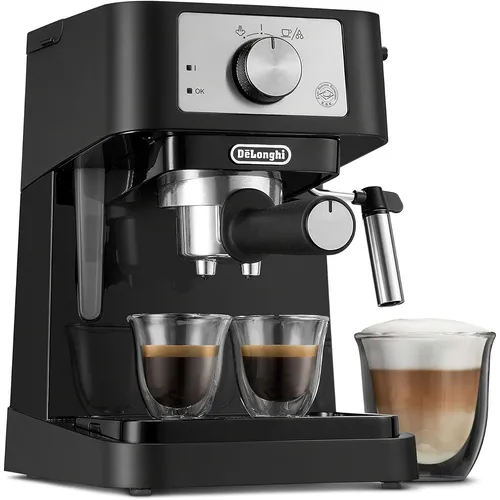
De'Longhi Stilosa

De'Longhi

De'Longhi Stilosa

$104.97
7.8/ 10
Check price on Amazon

Why we love it

At around $105, the Stilosa is the floor for a real espresso machine. It has a 15-bar pump, a stainless steel boiler, and a manual steam wand — everything you need to make actual espresso, not just strong coffee. There's no screen, no menus, no complexity — just a dial and two lights. The pressurized baskets mean you can use pre-ground coffee and still get decent crema. It's not going to compete with machines costing 3x more, but it does exactly what it promises: it makes real espresso, it teaches you the basics, and it costs less than a month of coffee shop visits. The perfect first machine for anyone who isn't sure they want to commit yet.

Pros

  • Unbeatable price — real espresso for around $105
  • Simple dial control — no learning curve for the machine itself
  • Stainless steel boiler for durability
  • Compact and lightweight — easy to store or move
  • Pressurized baskets work well with pre-ground coffee

Cons

  • Basic steam wand produces decent but not silky foam
  • No PID — temperature consistency isn't as tight
  • Plastic portafilter feels cheap compared to pricier machines
  • Small 1-liter water tank

Don't spend all $500 here

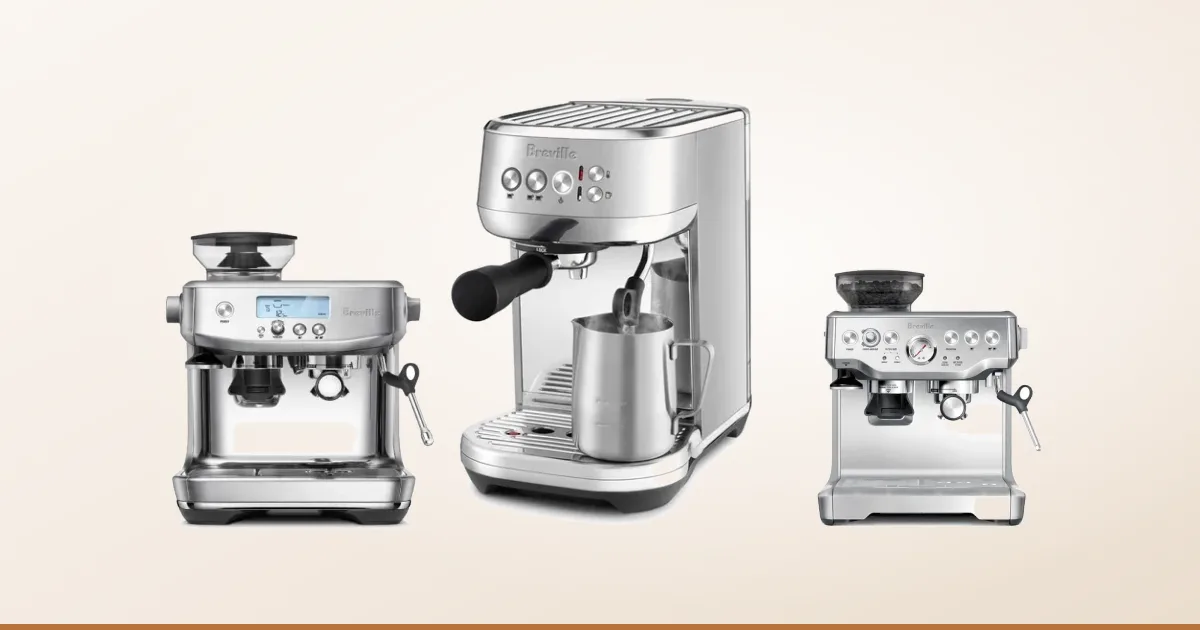
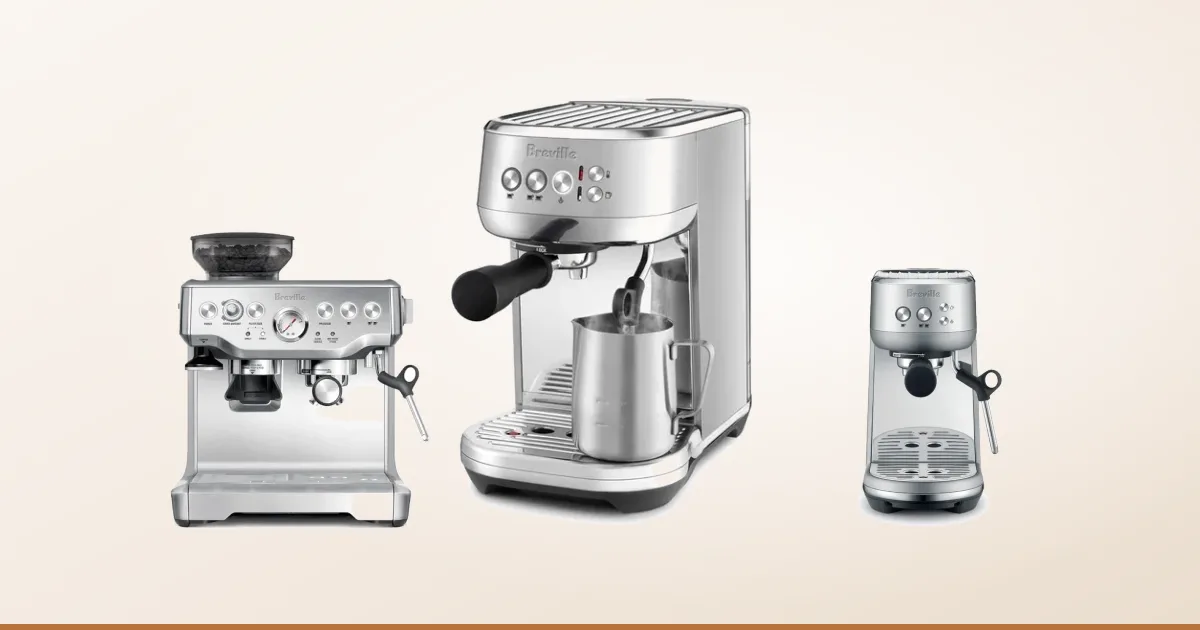
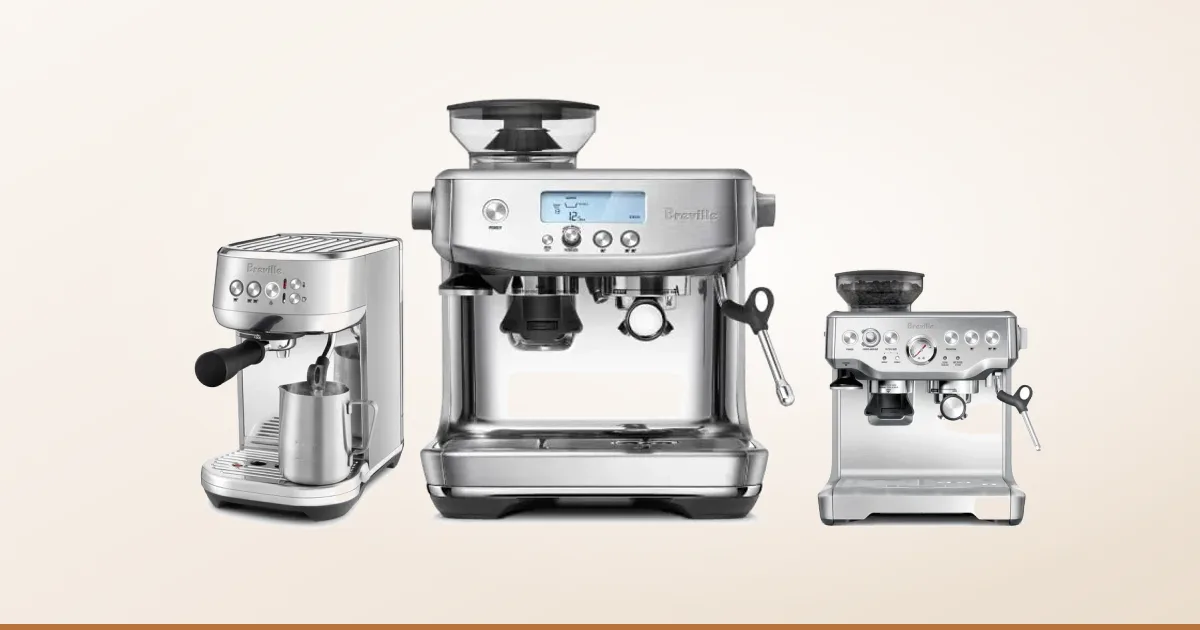
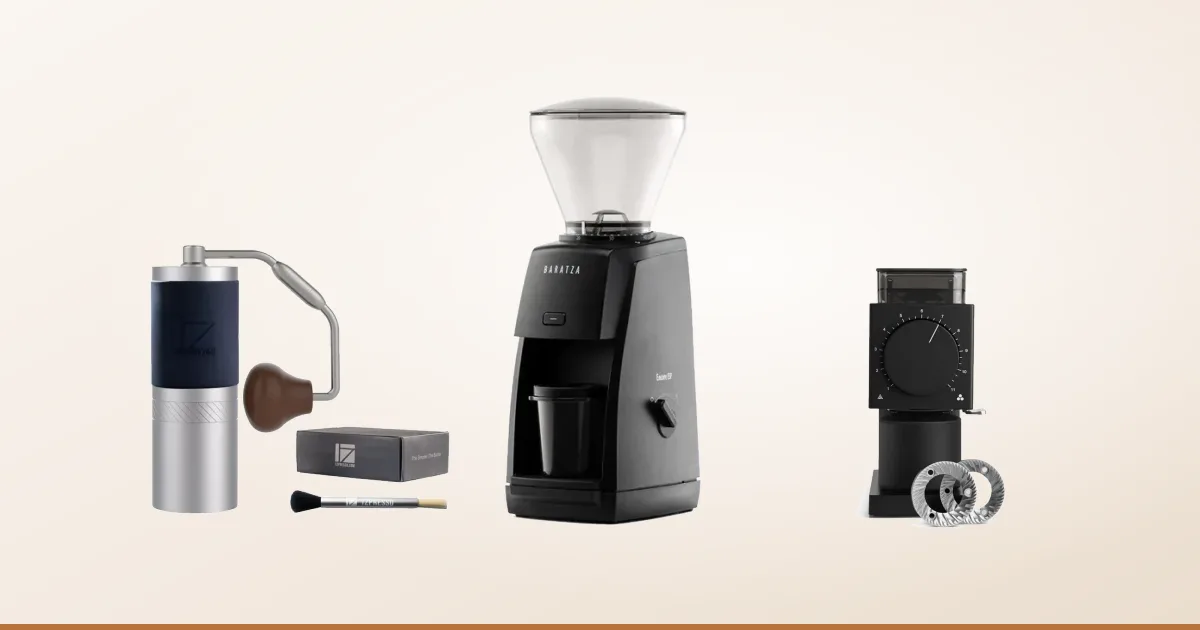
If $500 is the total budget including the grinder, the best coffee comes from the cheapest machine on this page and a real espresso grinder — not from the most machine you can afford and whatever is left. Matched pairings show what each combination costs together.

How we chose these

Every machine listed has a real steam wand, a pump that reaches brewing pressure, and a basket you can eventually replace with a non-pressurised one — which rules out most of what sells under $500. Ranked by what you give up rather than by price, because the gap between the cheapest and dearest machine here is smaller than the gap between either and a decent grinder.

What to know before you buy

What’s the best espresso machine under $500?

The Breville Bambino at $300 for most people. Three-second heat-up, a real steam wand, and it leaves enough of a $500 budget intact to put toward the grinder, which matters more than anything the machine does. If you want a metal-bodied machine with a commercial 58mm portafilter that you will still be repairing in ten years, the Gaggia Classic Evo Pro at $499 is the one to buy instead — and it asks considerably more of you.

Is it worth spending more than $500 on an espresso machine?

Only for specific things, and better espresso is not among them. Above $500 the money buys automatic milk texturing, a built-in grinder, or commercial-grade build. All three are real and none of them changes what is in the cup when both machines are used competently. If the extra spend would come out of the grinder budget, it is a straightforwardly bad trade.

How much should I budget for the grinder?

At least as much as you spend on the machine, and here we would weight it further. A real espresso grinder starts around $200 electric or $140 manual, and below that the steps between settings are coarser than the adjustment espresso needs — you end up choosing between a shot that gushes and one that chokes. The machine controls temperature and pressure, which the cheap ones do adequately. The grinder controls extraction, which nothing else compensates for.

Can you make good espresso with a $100 machine?

Yes, with caveats that are mostly about you rather than the machine. The Stilosa at $105 has a 15-bar pump and a stainless boiler and will pull a genuinely good shot — it just does nothing to help. No temperature stability to speak of, a steam wand that takes practice, and no forgiveness for a grind that is slightly off. Paired with a good grinder it beats an expensive machine paired with a bad one.

What’s the difference between 15-bar and 9-bar pressure?

Most machines advertise 15 bars of pump pressure, and optimal extraction happens at about 9. Better machines use an over-pressure valve to regulate down at the group head; the 15-bar figure on cheaper ones is the pump’s maximum rather than what reaches the coffee. It is more marketing than specification, and it should not decide a purchase at this price.

Should I buy used to get more machine for the money?

For the Gaggia Classic specifically, it is a reasonable bet — parts are everywhere, the design has barely changed in decades, and a descaled used one is a known quantity. For machines with electronics, PID boards or automatic milk systems, a used unit is a repair bill waiting for a schedule. If buying used moves you from a cheap grinder to a real one, take the trade.

Bottom line

The Bambino is the machine to buy, and the honest headline of this page is that the last $200 of machine budget belongs in the grinder instead. If you want something built to be repaired rather than replaced, the Gaggia Classic Evo Pro is the buy and you should expect to learn it. And if $500 is the whole budget including the grinder, buy the Stilosa and a real grinder — that setup makes better coffee than anything else this page can assemble for the money.

Related guides

Stay in the loop

New gear reviews, brew tips, and the occasional deal — straight to your inbox. No spam, ever.