GuidesReviewsComparisons
Roundup

Best Espresso Machines for Beginners

From the Bambino to the Gaggia Classic Pro — our top picks for your first real espresso machine.

Updated March 20266 products tested12 min read
Best Espresso Machines for Beginners

Quick picks

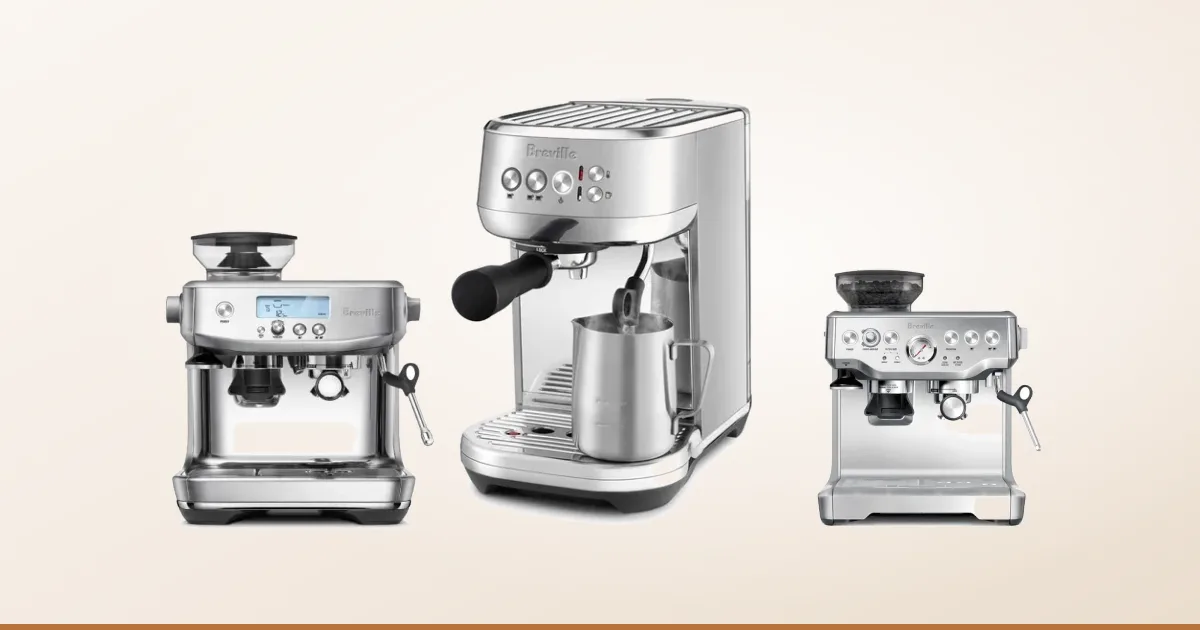
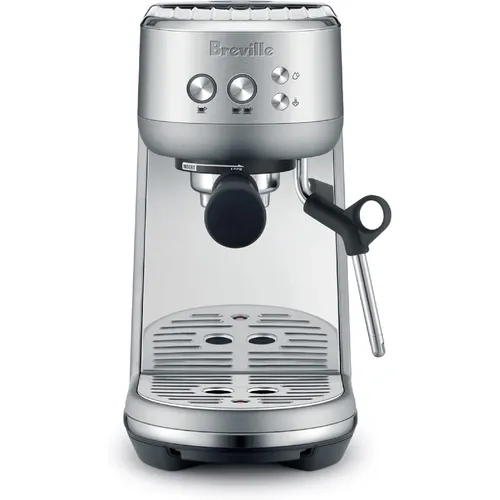
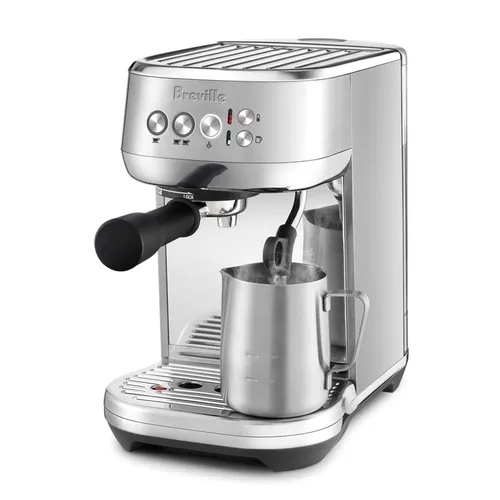
Breville Bambino Plus
Our Top Pick

Breville Bambino Plus

$400

The easiest way to start making real espresso at home. Heats up in 3 seconds, froths milk automatically, and fits in tight kitchens.

Jump to review
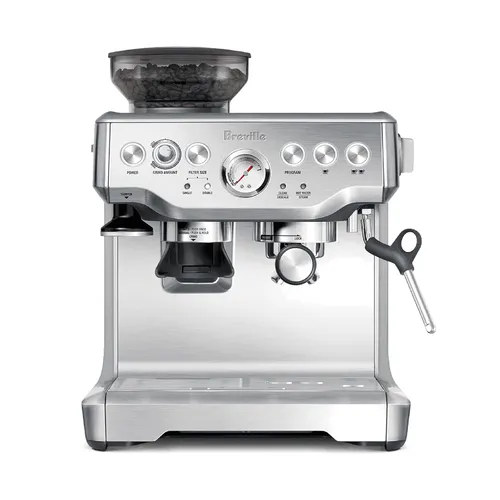
Breville Barista Express
Best All-in-One

Breville Barista Express

$680

The all-in-one machine with a built-in grinder. One footprint, one workflow, no separate grinder purchase needed.

Jump to review
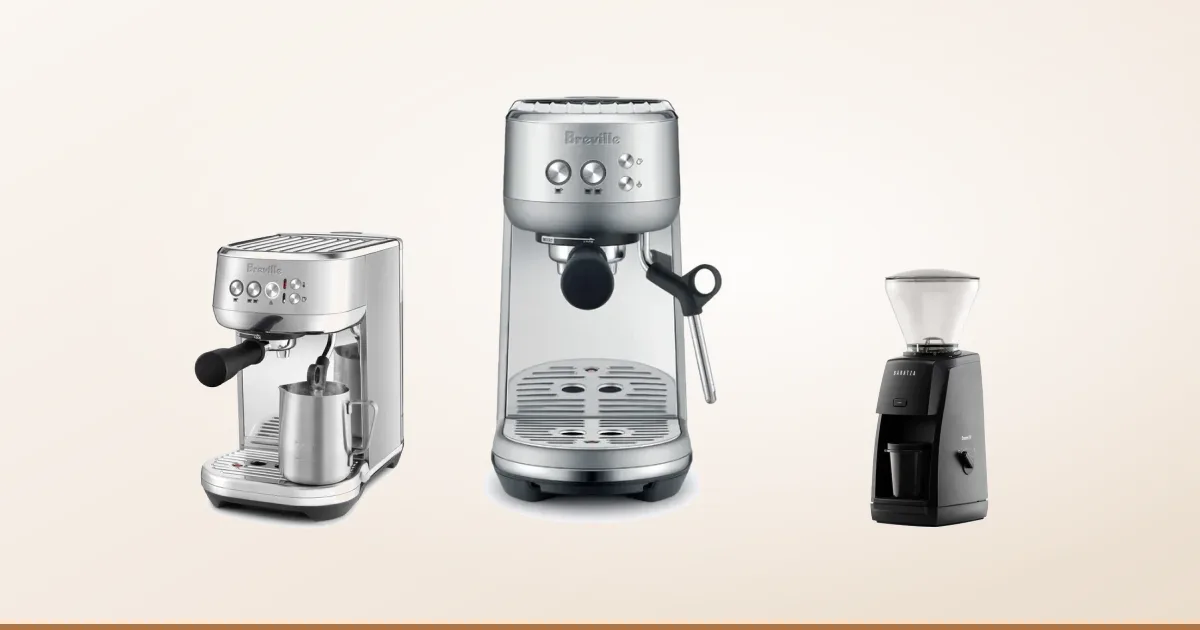
Breville Bambino
Best Value

Breville Bambino

$300

Everything great about the Bambino Plus, minus the automatic steam wand. Save $100 and learn manual milk frothing instead.

Jump to review

How we chose these

We evaluated each machine based on espresso quality, ease of use for a true beginner, build quality, milk frothing capability, heat-up time, counter footprint, and value for money. We read hundreds of user reviews, cross-referenced expert testing from multiple sources, and prioritized machines that make the first few weeks enjoyable — not frustrating.

Buying your first espresso machine is exciting — and a little overwhelming. There are dozens of options, a wall of jargon (PID, bar pressure, portafilter size), and no shortage of opinions on Reddit.

We tested and researched the most popular beginner machines to find the ones that actually deliver great espresso without making you feel like you need a barista certification to use them. Whether you want something dead simple, a full all-in-one setup, or a machine you can grow into for years, we've got a pick for you.

Our Top Pick
Breville Bambino Plus

Breville

Breville Bambino Plus

$400
9.4/ 10
Check price on Amazon

Why we love it

The Bambino Plus removes every barrier to good espresso. The ThermoJet heating system is ready in 3 seconds — no waiting around. The automatic steam wand handles milk frothing for you, which means you're making lattes on day one without learning steam wand technique.

Pros

  • Ready to brew in 3 seconds — fastest heat-up in its class
  • Automatic milk frothing takes the guesswork out of lattes
  • Compact footprint fits under cabinets and on small counters
  • PID temperature control for consistent shot quality
  • Pre-infusion helps extract flavor evenly

Cons

  • No built-in grinder — you'll need to buy one separately or use pre-ground
  • 54mm portafilter limits your upgrade path for accessories
  • Automatic steam wand gives less control than a manual one
Best All-in-One
Breville Barista Express

Breville

Breville Barista Express

$680
9/ 10
Check price on Amazon

Why we love it

The Barista Express is the most popular home espresso machine in the world for a reason. It has a built-in conical burr grinder, so you go from whole beans to espresso in a single machine — no separate grinder cluttering your counter. The grind-to-brew workflow keeps everything tight: adjust grind size, dose, tamp, pull.

Pros

  • Built-in burr grinder — no separate grinder needed
  • Grind size dial makes adjustments easy to see and repeat
  • PID temperature control for consistent extraction
  • Manual steam wand lets you learn real milk texturing
  • Huge community — tons of tutorials and tips online

Cons

  • Built-in grinder isn't as good as a dedicated espresso grinder
  • Bigger footprint — needs more counter space
  • More to learn vs. the Bambino Plus's simpler workflow
  • Higher price point at ~$680
Best Value
Breville Bambino

Breville

Breville Bambino

$300
9/ 10
Check price on Amazon

Why we love it

The Bambino is the Bambino Plus's younger sibling. You get the same ThermoJet heating system (3-second heat-up), the same 54mm portafilter, the same PID temperature control, and the same compact footprint. The difference?

Pros

  • Same 3-second ThermoJet heat-up as the Bambino Plus
  • PID temperature control for consistent shots
  • Includes both pressurized and non-pressurized baskets
  • Manual steam wand gives more control over milk texture
  • $100 less than the Bambino Plus

Cons

  • Manual steam wand requires practice to master
  • No built-in grinder — separate purchase needed
  • 54mm portafilter is smaller than the 58mm standard
  • No dedicated hot water button for Americanos
Best for Growing Into
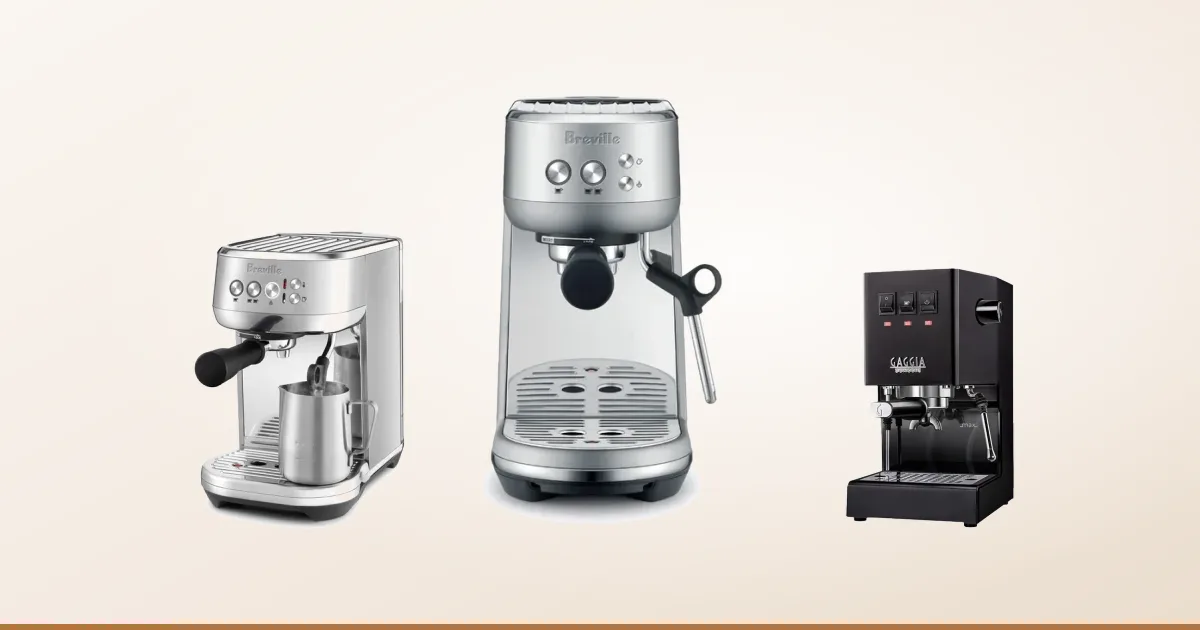
Gaggia Classic Pro

Gaggia

Gaggia Classic Pro

$500
8.8/ 10
Check price on Amazon

Why we love it

The Gaggia Classic Pro is the machine serious coffee people recommend to beginners who know they're going to stick with this hobby. It's made in Italy with a stainless steel body, a commercial-spec 58mm portafilter, a 3-way solenoid valve for clean puck removal, and 9-bar extraction pressure — the same standard used in specialty coffee shops. It doesn't automate anything for you, which means there's more to learn, but it also means you're building real barista skills from day one.

Pros

  • Commercial 58mm portafilter — same size as pro machines
  • Made in Italy with stainless steel construction
  • 9-bar extraction meets specialty coffee standards
  • 3-way solenoid valve for dry, clean puck knock-out
  • Massive upgrade and modding ecosystem

Cons

  • No built-in grinder — requires a quality burr grinder ($100–200+)
  • Steeper learning curve than more automated machines
  • Single boiler means you wait between brewing and steaming
  • Needs 8–10 minutes to fully heat up
Best for Small Spaces
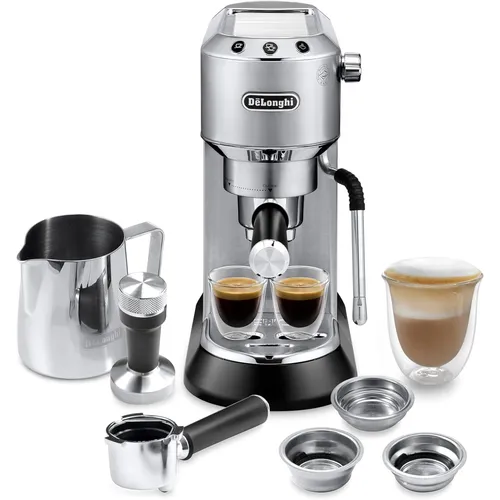
De'Longhi Dedica Arte

De'Longhi

De'Longhi Dedica Arte

$290
8.2/ 10
Check price on Amazon

Why we love it

The Dedica Arte is only 6 inches wide. That's narrower than most coffee makers, and it still pulls genuine espresso with 15 bars of pressure. The standout upgrade over older Dedica models is the LatteArt steam wand — a panarello-style wand that makes it genuinely easy to texture milk and pour latte art from day one.

Pros

  • Ultra-slim 6-inch profile — fits anywhere
  • LatteArt steam wand makes milk texturing accessible for beginners
  • Attractive stainless steel design
  • 40-second heat-up time
  • Works with ESE pods as a convenience option

Cons

  • Pressurized baskets limit espresso quality ceiling
  • Plastic internals in some areas feel less premium
  • Small water tank (35 oz) needs frequent refills
Best Budget Pick
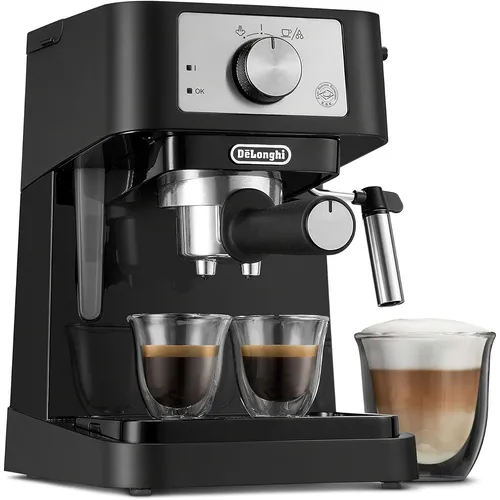
De'Longhi Stilosa

De'Longhi

De'Longhi Stilosa

$100
7.8/ 10
Check price on Amazon

Why we love it

At around $100, the Stilosa is the floor for a real espresso machine. It has a 15-bar pump, a stainless steel boiler, and a manual steam wand — everything you need to make actual espresso, not just strong coffee. There's no screen, no menus, no complexity — just a dial and two lights.

Pros

  • Unbeatable price — real espresso for around $100
  • Simple dial control — no learning curve for the machine itself
  • Stainless steel boiler for durability
  • Compact and lightweight — easy to store or move
  • Pressurized baskets work well with pre-ground coffee

Cons

  • Basic steam wand produces decent but not silky foam
  • No PID — temperature consistency isn't as tight
  • Plastic portafilter feels cheap compared to pricier machines
  • Small 1-liter water tank

What to know before you buy

Do I need a separate grinder?

For most machines on this list, yes. Only the Barista Express has a built-in grinder. For the rest, you'll want a burr grinder (not a blade grinder). A good entry-level option like the Baratza Encore or 1Zpresso JX runs $100–150 and makes a massive difference in shot quality. Pre-ground espresso works in a pinch, especially with pressurized baskets, but freshly ground is noticeably better. See our Best Coffee Grinders guide at /best-coffee-grinders for our full recommendations.

What's a pressurized vs. non-pressurized basket?

Pressurized baskets have a small hole at the bottom that builds up pressure for you. They're forgiving — you'll get decent crema even with an imperfect grind. Non-pressurized (or 'single wall') baskets rely entirely on your grind quality and tamping technique. Start with pressurized, switch to non-pressurized once you've dialed in your grinder.

How much should I spend?

You can make real espresso for around $100 with the Stilosa, but the sweet spot for beginners is $300–500. That range gets you fast heat-up, consistent temperature control, and a machine that won't frustrate you. If you budget $100–150 for a grinder on top of the machine, your total setup cost lands between $200 and $650.

What's the difference between 15-bar and 9-bar pressure?

Most machines advertise 15 bars of pump pressure, but optimal espresso extraction actually happens at 9 bars. Better machines (like the Gaggia Classic Pro) use an OPV (over-pressure valve) to regulate down to 9 bars at the group head. The 15-bar number on cheaper machines is the pump's max capability, not what hits your coffee. Don't stress about this number — it's more marketing than meaningful.

Should I get a machine with automatic or manual milk frothing?

If you drink lattes or cappuccinos daily and want them to taste great from day one, automatic frothing (like the Bambino Plus) saves you weeks of practice. If you enjoy the learning process and want more control, a manual steam wand will reward you with better results long-term. Neither is wrong — it's about your patience level.

Bottom line

For most beginners, the Breville Bambino Plus is the best place to start. It's fast, forgiving, compact, and makes excellent espresso and milk drinks with almost no learning curve. If you want to save $100 and don't mind learning manual milk frothing, the regular Bambino is the best value pick. And if you know you're going to get deep into this hobby, the Gaggia Classic Pro is the machine that'll still be on your counter five years from now.

Related guides

Stay in the loop

New gear reviews, brew tips, and the occasional deal — straight to your inbox. No spam, ever.