Guide
Espresso Grind Size Explained
The single biggest variable in your shot quality.
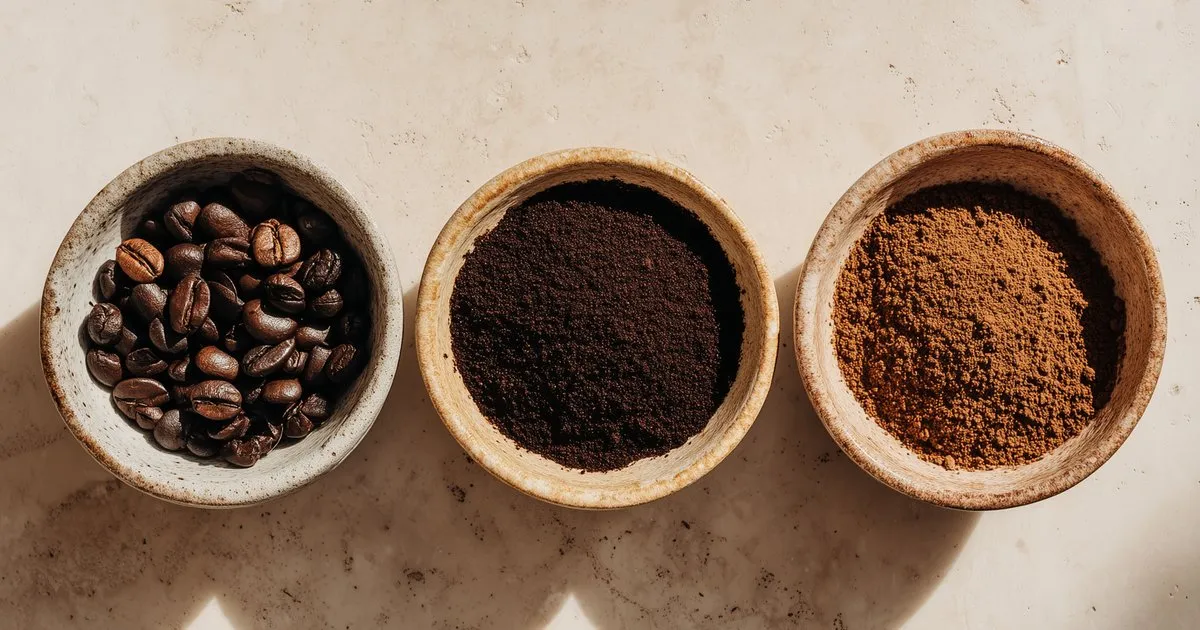
Grind size is the single biggest variable in espresso. Get it wrong and no amount of expensive equipment will save your shot. Get it right and even a basic setup can produce something genuinely delicious.
The concept is simple: finer grounds slow the water down, coarser grounds let it through faster. The goal is to find the sweet spot where water passes through at the right speed to extract the good flavors without the bad ones.
Why Grind Size Matters
Coffee extraction is a chemical process. Hot water dissolves compounds from the ground coffee — acids first (sour, bright flavors), then sugars (sweet, balanced), then bitter compounds last. The amount of time water spends in contact with the coffee determines which flavors end up in your cup.
In espresso, you're forcing water through a tightly packed puck of coffee in about 25–30 seconds. If the grind is too coarse, water rushes through in 10 seconds and you get a sour, thin, watery shot (under-extracted). If it's too fine, water can barely get through and you get a slow, bitter, harsh shot (over-extracted). The right grind size creates enough resistance for a 25–30 second extraction that balances all the flavors.
The Grind Size Spectrum
From finest to coarsest — and what each is used for:
How to Dial In
Dialing in is the process of adjusting your grind size until your shot tastes right. Here's the method:
- 1Start with 18g of coffee in your portafilter
- 2Pull a shot aiming for 36g of liquid output
- 3Time it — you want 25–30 seconds
- 4Taste it
Adjustment Guide
- —Shot too fast + tastes sour/thin → grind FINER (one small click at a time)
- —Shot too slow + tastes bitter/harsh → grind COARSER
- —Shot tastes good → don't touch anything. Write down the setting.
Important: only change one variable at a time. If you change grind size and dose simultaneously, you won't know which change helped.
Common Grinder Starting Points
These are rough starting points — every grinder, coffee, and machine is different:
- —Breville/Sage built-in grinder: around setting 5
- —Baratza Encore: may not grind fine enough for espresso — designed for drip and pour over
- —1Zpresso JX-Pro: around 2 full turns from zero
- —Eureka Mignon: around 1.5–2
- —Niche Zero: around 15
Always check your specific grinder's manual. “Fine” on one grinder is “medium” on another.
When to Re-Dial
You'll need to adjust your grind size when:
- —You open a new bag of coffee
- —The coffee ages (grind finer as beans degas over 2–3 weeks)
- —Temperature or humidity changes significantly
- —You switch between single and double baskets