GuidesBrowseComparisons
Roundup

Best Pour Over Coffee Makers

Eight drippers and kits, from the one that forgives a shaky first pour to the one that rewards a steady hand.

By Dana WhitfieldUpdated June 2026
8 products compared12 min read
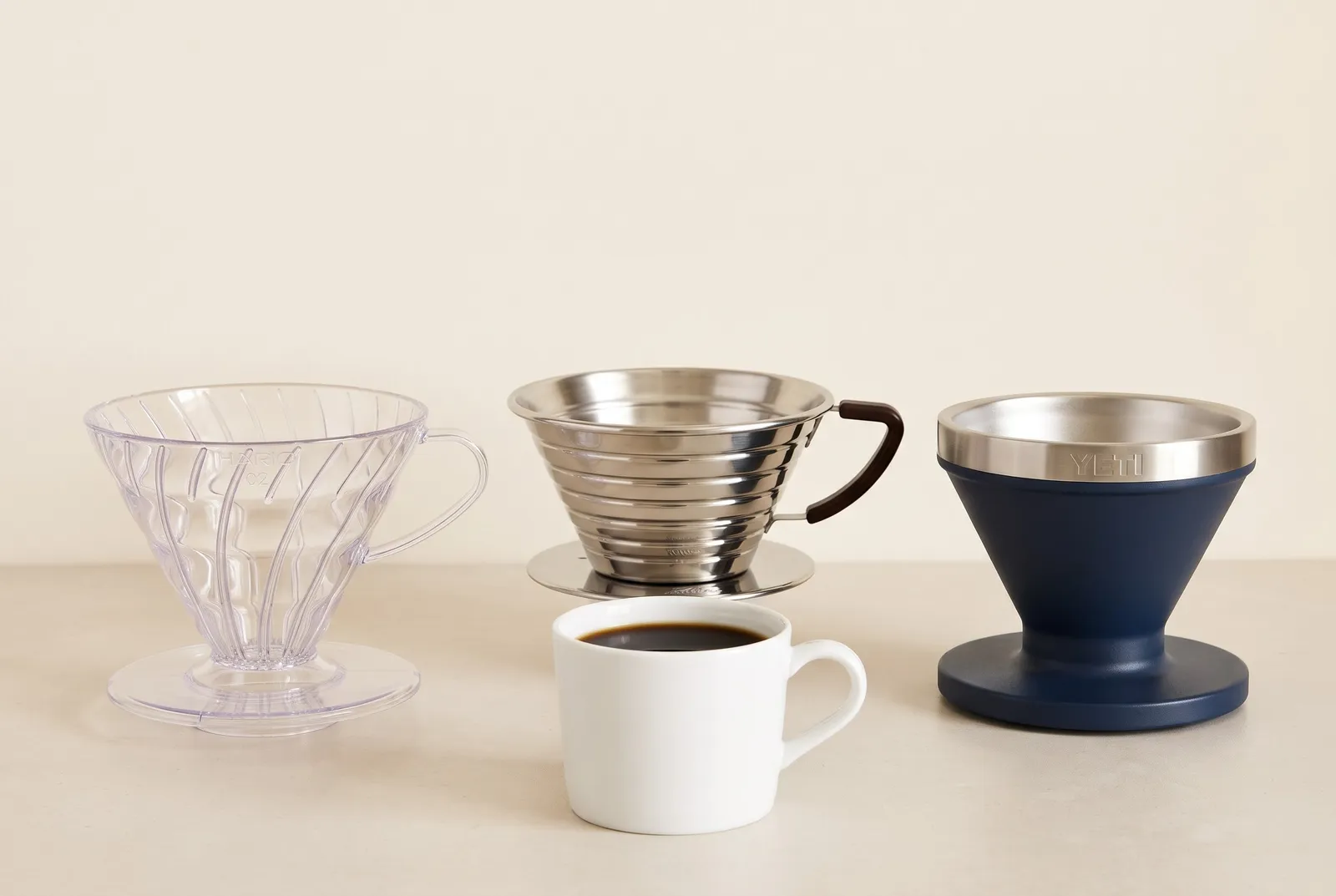
Illustration: the Hario V60 (Plastic), Kalita Wave 185 and the YETI Pour Over side by side on a kitchen counter, drawn to scale

★ Our top pick

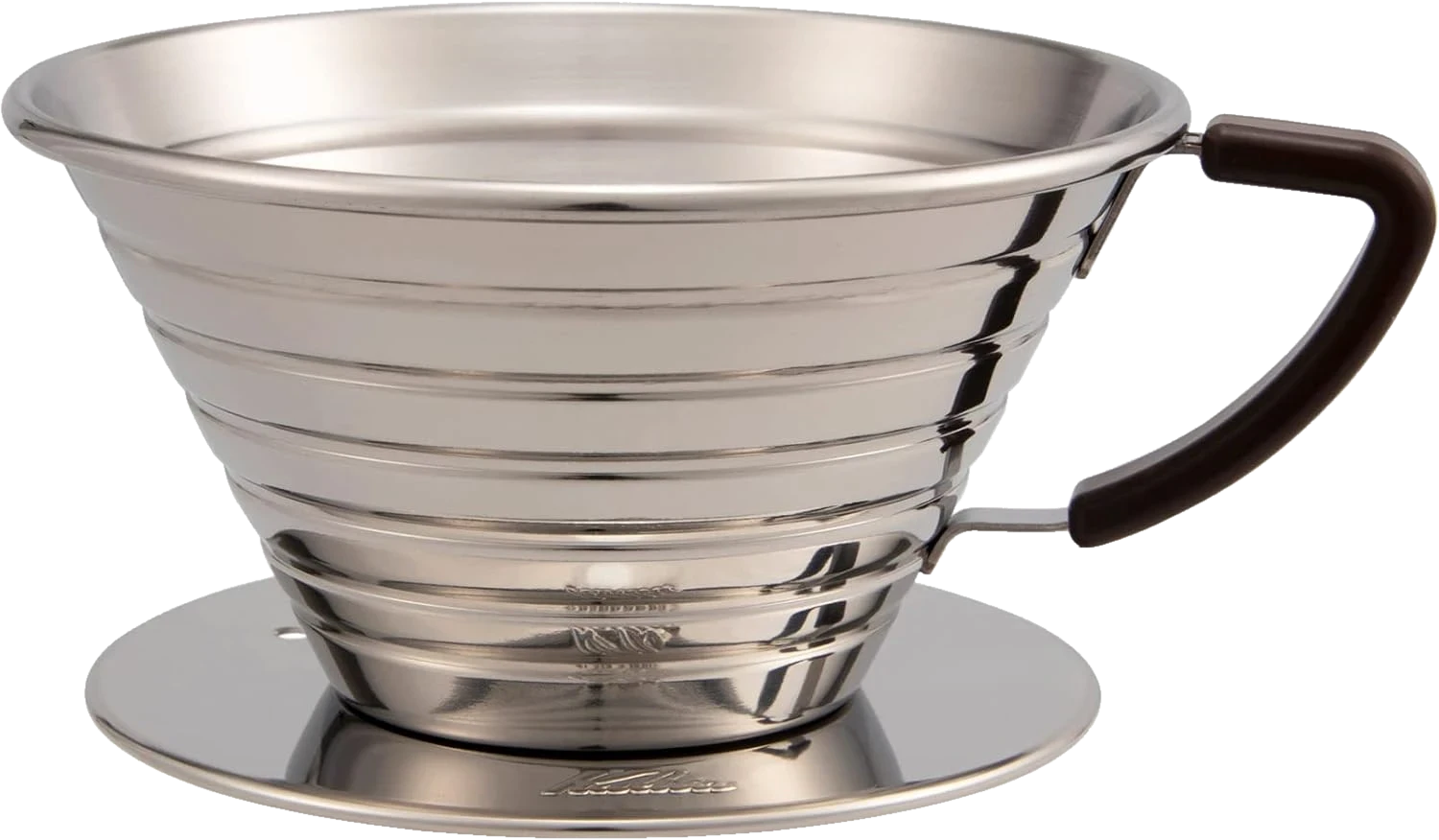
Kalita Wave 185

Best Pour Over · Around $35

The most forgiving pour over dripper. Flat-bottom design and wave filters make even extraction easy — even with sloppy pours.

Best for Enthusiasts

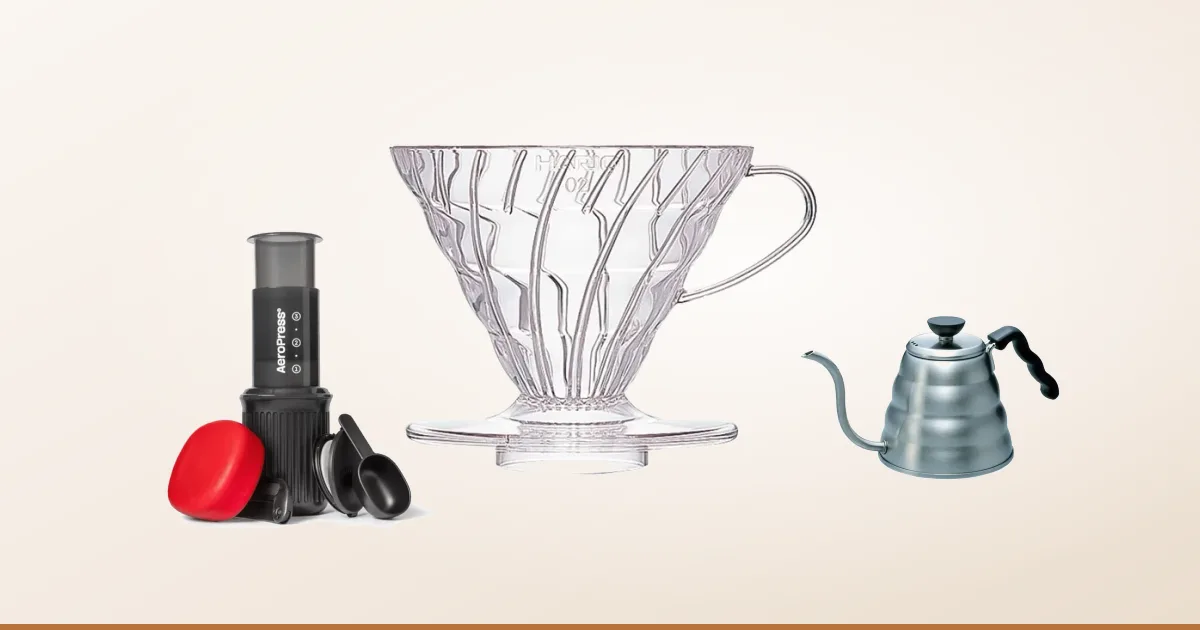
Hario V60 (Plastic)

Around $13

The $13 dripper that outperforms the ceramic version. Total extraction control — your skill is the only limit.

Best for Travel

YETI Pour Over

Around $30

Indestructible stainless steel pour over that sits on most YETI Ramblers. Perfect for travel, camping, and bulletproof morning routines.

Pour over coffee is better than drip coffee. That's not an opinion — it's physics. When you control the pour, you control extraction. You choose when water hits the grounds, how long it steeps, where it flows. A $100 drip machine can't do that. A $13 plastic dripper can.

The good news: your brewer matters less than people think. The grinder and technique are where cup quality comes from. The right dripper doesn't make you a better brewer — but it makes the learning curve easier or harder, which is why picking the right one for your skill level actually matters.

ProductPriceScore
Kalita Wave 185KalitaAround $359.4/10Check Price →
Hario V60 (Plastic)HarioAround $139.2/10Check Price →
Chemex ClassicChemexAround $459/10Check Price →
Clever DripperCleverAround $408.8/10Check Price →
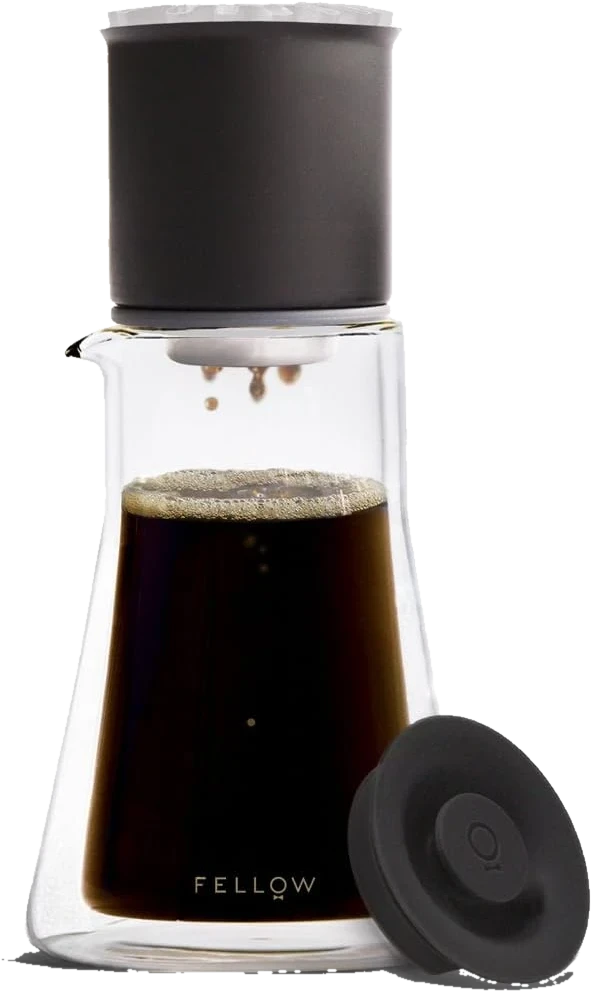
Fellow Stagg [XF] Pour-Over SetFellowAround $1008.6/10Check Price →
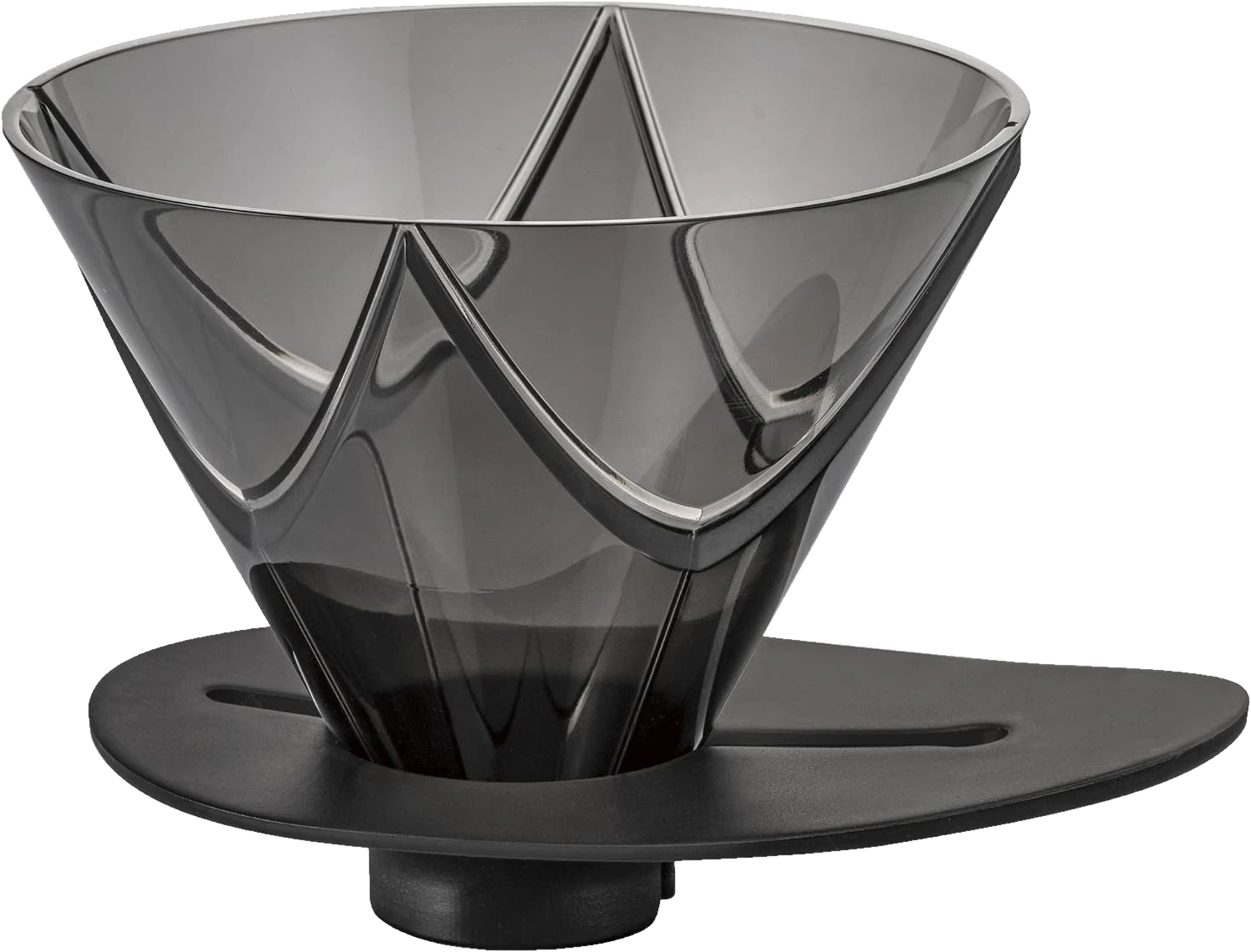
Hario V60 MugenHarioAround $138.5/10Check Price →
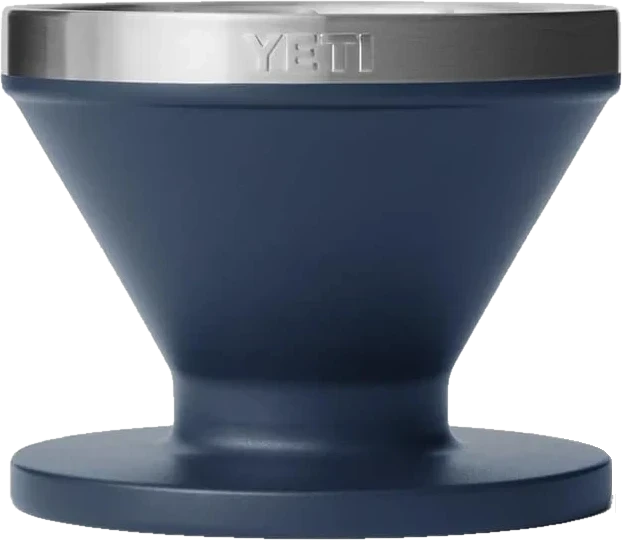
YETI Pour OverYETIAround $308.2/10Check Price →
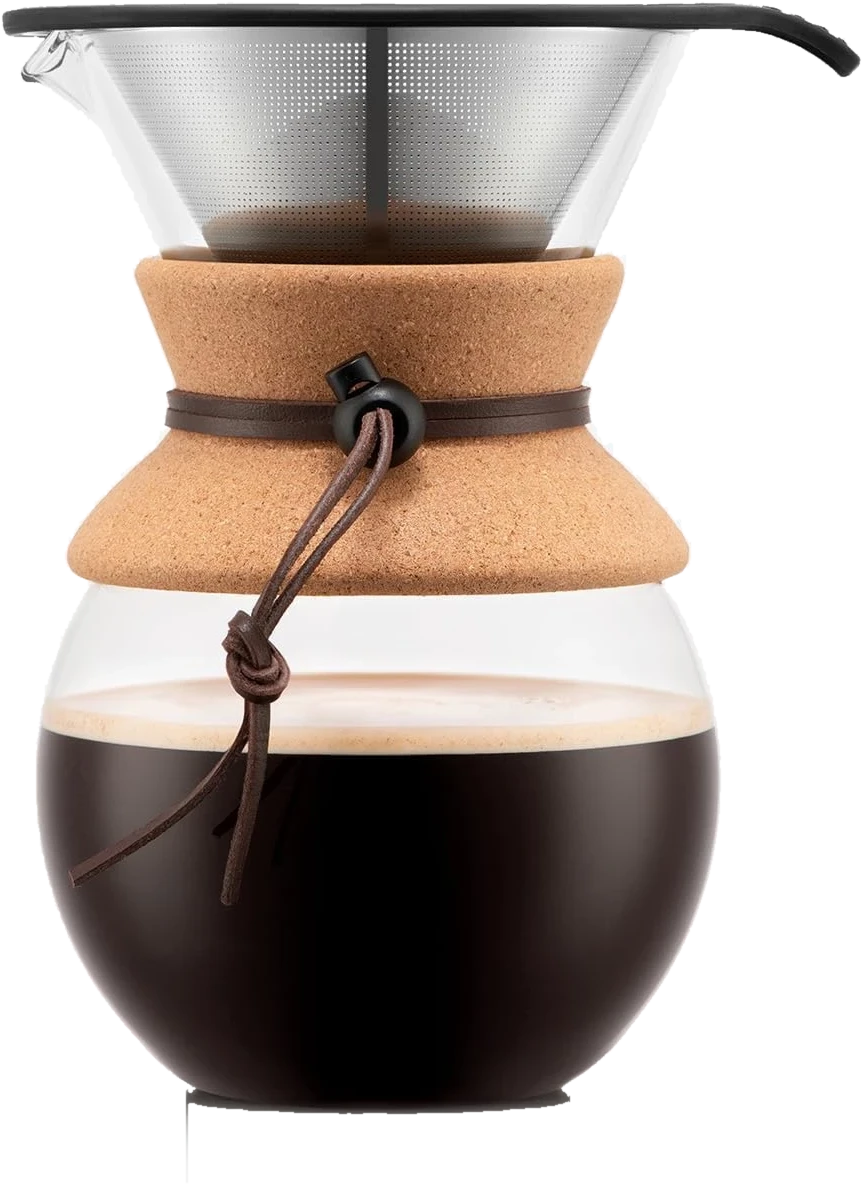
Bodum Pour OverBodumAround $207.8/10Check Price →

The picks, ranked

Best Pour Over
Body
Stainless steel
Filter
Wave 185 paper
Width
5.43 in

Why we love it

The Kalita Wave 185 is the pour over we recommend to everyone who asks. The flat-bottom design with three small drainage holes is the key insight: instead of funneling water through a single point (like the V60), it distributes flow evenly across the entire bed. That means your technique matters a lot less. Sloppy pours, inconsistent flow — the flat bed compensates for you. The wave-shaped paper filters are equally clever: they stand away from the dripper walls, so heat stays in the coffee bed instead of radiating into the dripper. At around $35, it's cheap enough to own in multiple materials — glass, stainless, ceramic — but one is all you need.

Pros

  • Flat-bottom design promotes even, forgiving extraction
  • Wave filters reduce channeling and heat loss
  • Works with imperfect pour technique — great for beginners
  • Available in glass, stainless steel, and ceramic
  • Very affordable

Cons

  • Proprietary wave filters — can't use generic cone filters
  • Wave filters cost slightly more than standard V60 filters
  • Tops out at about four cups — no full pot
  • Less control ceiling for advanced brewers
Best for Enthusiasts
Body
Plastic
Filter
V60 paper
Width
5.39 in

Why we love it

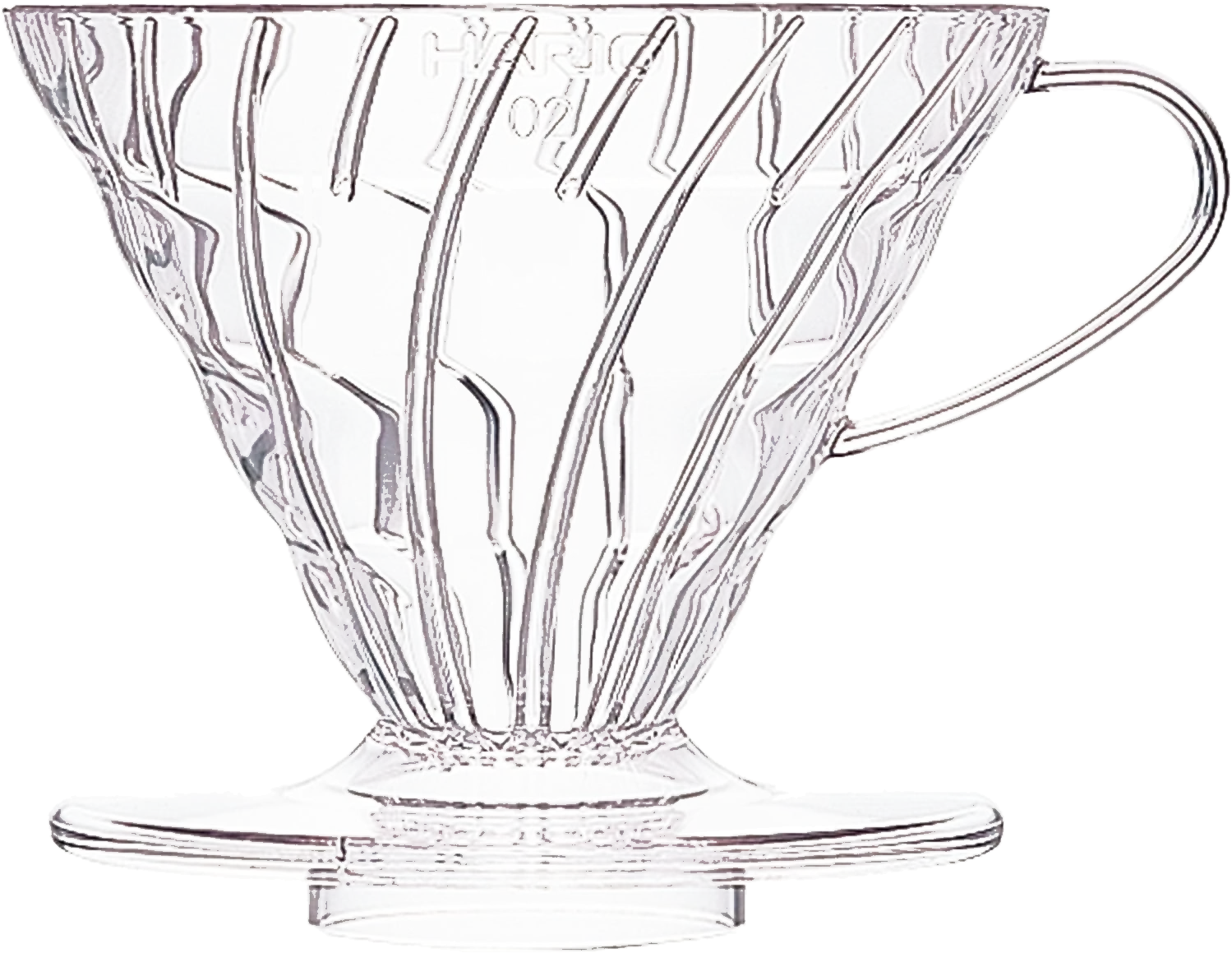
Here's the thing most people don't know: the plastic V60 outperforms the ceramic one. Plastic is a poor conductor and has little mass to heat, so it soaks up far less of your brew water's heat than ceramic does. Your coffee stays hotter throughout the brew, which translates directly to better extraction — especially with light roasts that need every degree of heat to open up. The single large drainage hole and spiral ribs give you total control over flow rate. Pour slowly, it stalls. Pour quickly, it rushes. Your technique determines your cup. That steep learning curve is exactly why we love it — this is the dripper that makes you a better brewer. At $13, there is no better value in coffee equipment.

Pros

  • Total control over extraction: your pour sets the flow
  • Plastic insulates better than ceramic — hotter brew temperature
  • Cheap enough to buy on a whim — absurd value for what you get
  • Massive community with thousands of recipes and techniques
  • Filters are cheap, thin, and widely available

Cons

  • Punishes bad technique — pour consistency matters a lot
  • Requires a gooseneck kettle and scale for best results
  • Plastic feels less premium in hand
  • Single large drainage hole means flow rate is entirely your responsibility
Best for Multiple Cups
Makes
30 oz
Body
Glass
Filter
Chemex paper
Carafe
Built in

Why we love it

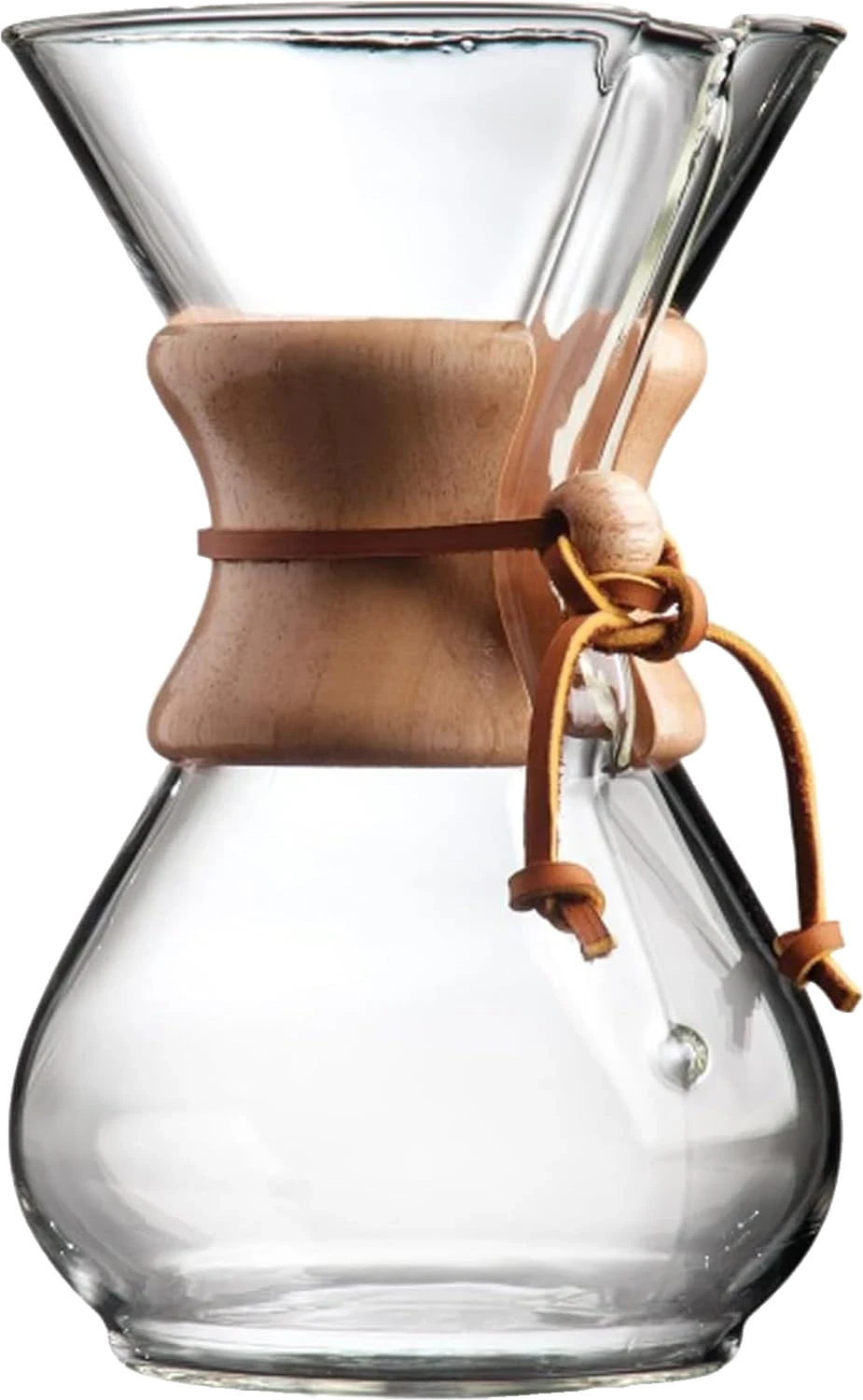
Most drippers make a cup or two. The Chemex makes six — and it does it beautifully. The thick proprietary Chemex filters (20–30% thicker than standard) remove sediment, oils, and fine grounds that other filters let through, producing an exceptionally clean cup with bright clarity and no bitterness. It's particularly good for dark roasts — the aggressive filtration strips the harsh compounds while preserving the deep flavor. The all-glass construction means there's nothing to absorb flavor between brews. It's been in MoMA's permanent collection since 1943 for a reason. This is the dripper you buy when coffee is part of your morning ritual, not just a caffeine delivery system.

Pros

  • Brews 2–6 cups at once, carafe built in
  • Ultra-thick filters produce exceptionally clean, oil-free coffee
  • Iconic timeless design (MoMA permanent collection)
  • Great for dark roasts — removes bitterness while preserving flavor
  • All-in-one brewer and carafe — fewer pieces

Cons

  • Proprietary thick filters are more expensive than standard
  • Hourglass shape is awkward to clean (requires a bottle brush)
  • "Chemex Effect" — filter can suction and stall the brew
  • Glass is fragile — not travel-friendly
Best for Beginners
Makes
18 oz
Body
Tritan plastic
Filter
Paper, 100 included
Width
6.75 in

Why we love it

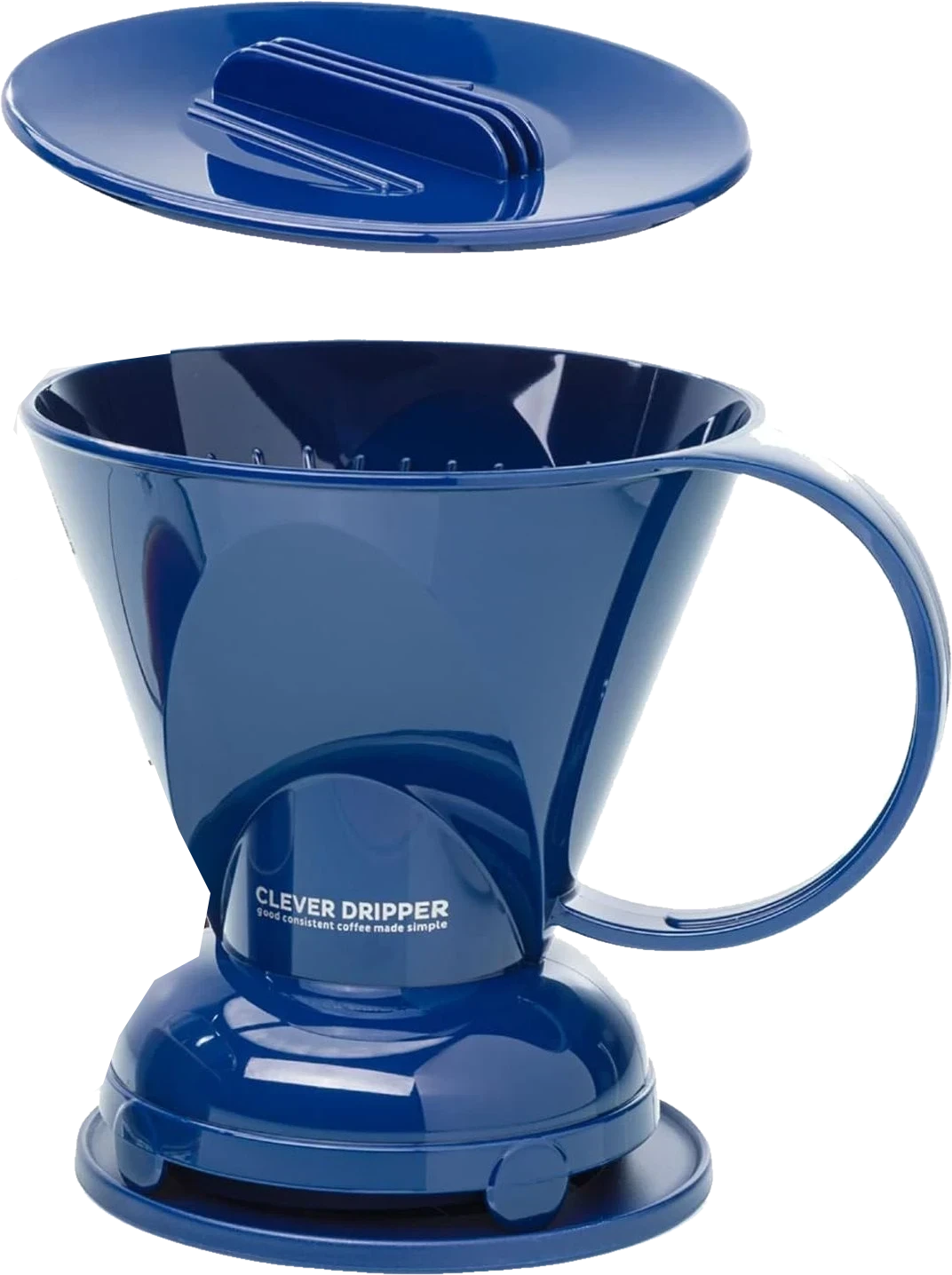
The Clever Dripper cheats — and we mean that as the highest compliment. Instead of requiring a skilled continuous pour, it works like a French press: you add coffee, add water, wait, then place the whole thing on your mug. A clever valve at the bottom (there's the name) stays closed during steeping, then opens automatically when the dripper sits on your cup. You get the rich, full body of immersion brewing with the clean, sediment-free finish of a paper filter. The variable that ruins most pour overs — inconsistent pouring technique — is completely eliminated. It uses standard #4 cone filters, which cost almost nothing. If you've ever made a bad pour over and wished coffee was just easier, this is your answer.

Pros

  • No pouring technique needed — full immersion then drain
  • Produces rich body with clean paper-filtered clarity
  • Uses cheap, widely available standard #4 cone filters
  • Dead simple: add coffee, add water, wait, drain
  • Great gateway into manual brewing for beginners

Cons

  • Technically an immersion brewer, not a true pour over
  • 3–4 minute steep time (longer than a standard pour over)
  • Plastic construction
  • Less flavor complexity ceiling than a V60 or Kalita
Best Pour-Over Kit
Body
Stainless steel
Filter
Stagg [XF] paper
Carafe
20 oz glass
Width
4.8 in

Why we love it

The Stagg [XF] is for people who want a genuinely good pour-over without obsessing over technique. Its steep-sloped stainless steel dripper and matched paper filters are tuned for a forgiving 'fill-up' brewing style — pour and walk away — while the built-in ratio aid takes the guesswork out of dosing for one or two cups. Coffee brews straight into the included 20 oz double-wall borosilicate carafe, which keeps the coffee hot longer than a single-wall server. There's no plastic anywhere in the brew path, and the whole thing looks like it belongs on the counter. It costs more than a bare dripper, but you're getting a cohesive kit — dripper, carafe, and filters — that simply works.

Pros

  • Complete kit — stainless dripper, double-wall glass carafe, and 30 filters included
  • Built-in ratio aid removes the guesswork from dosing
  • Steep-slope design forgives imprecise pours — great for daily brewing
  • Double-wall carafe keeps brewed coffee hot
  • No plastic in the brew path

Cons

  • Pricier than a standalone dripper
  • Tuned for Stagg-specific filters for best results
  • 20 oz carafe caps you at one-to-two cups per brew
  • Less grind-and-pour control than a precision cone like the V60
Easiest V60
Body
Plastic
Filter
V60 paper
Width
5.6 in

Why we love it

"Mugen" means "infinite" in Japanese, and Hario's idea was that you should be able to pour continuously — infinitely — without worrying about flow rate. They achieved it by shrinking the drainage hole and reducing the spiral ribs that normally make V60 flow so fast. The result: you can do one long single pour instead of the multiple precise pulse pours the standard V60 demands. The flavor profile is essentially identical — the same clean, nuanced cup the V60 is famous for — but the technique barrier is dramatically lower. Standard V60 filters work perfectly. If you've been intimidated by the V60's reputation for punishing beginners, the Mugen is Hario's quiet acknowledgment that they made it too hard.

Pros

  • Much easier than the standard V60 — single continuous pour works
  • Same clean, nuanced flavor profile as the classic V60
  • Uses standard V60 filters (cheap and widely available)
  • No precise pulse pouring technique required
  • Affordable

Cons

  • Less extraction control ceiling than the standard V60
  • Smaller hole can stall with very fine grinds
  • Smaller community and fewer recipes than the classic V60
  • Still benefits from a gooseneck kettle for consistency
Best for Travel
Body
Insulated steel
Filter
V60 paper
Dishwasher
Safe
Width
4.4 in

Why we love it

The YETI Pour Over does exactly one thing, and it does it without compromise: it's a pour over dripper that will outlast everything else in your kitchen. The stainless steel construction is effectively indestructible — drop it, pack it, throw it in a bag. It's designed to sit on YETI Ramblers, from the 8 oz cup to the 20 oz tumbler. It takes standard V60 paper filters, the cheapest and easiest to find, and its double wall keeps the heat in the brew rather than in the dripper. It's not the cheapest dripper here, and it doesn't have the precision of the V60 or the forgiveness of the Kalita — it's just a tank that you'll never need to replace.

Pros

  • Stainless steel construction — virtually indestructible
  • Sits on most YETI Ramblers, 8 oz cup to 20 oz tumbler
  • Takes standard V60 paper filters
  • Double-wall insulation keeps the brew hot
  • Compact and packable — great for travel and camping
  • YETI build quality and warranty

Cons

  • No filters included — buy V60 papers separately
  • Limited to smaller single cups
  • Premium price for a simple dripper
Best Budget
Makes
34 oz
Body
Glass
Filter
Steel mesh
Carafe
Built in

Why we love it

The Bodum Pour Over is the honest budget option: it does everything and costs almost nothing. You get a complete setup — borosilicate glass carafe, built-in permanent stainless steel mesh filter, and a cork grip that insulates and looks great — all for around $20. There are no filters to buy. Ever. The mesh lets the natural oils through, so your cup has more body and a rounder, fuller flavor than paper-filtered pour overs — closer to French press than a V60. It brews up to 34oz (about 4 cups), which makes it a practical pick for more than one person. It's dishwasher safe. If you want the simplest possible path to hot, fresh, manually-brewed coffee, this is it.

Pros

  • Complete system under $20 — no filters to buy
  • Reusable stainless filter (zero ongoing costs)
  • Brews up to 34oz / approximately 4 cups
  • Borosilicate glass with cork grip looks great
  • Dishwasher safe

Cons

  • Metal mesh lets fines and oils through — some sediment in cup
  • Less flavor clarity than paper-filtered methods
  • Glass carafe is fragile
  • Less precise extraction control than dedicated drippers

How we chose these

We evaluated each dripper on extraction consistency, forgiveness of technique, build quality, filter availability, ease of cleanup, and value for money. We prioritized drippers that produce excellent results for beginners while giving experienced brewers enough headroom to grow.

What to know before you buy

Cone vs flat-bottom dripper — what's the difference?

Cone-shaped drippers (V60, Chemex) funnel water toward a single drainage point, which gives you precise control over extraction — but requires precise technique. Flat-bottom drippers (Kalita Wave) distribute water evenly across the entire coffee bed, which promotes more forgiving extraction. For beginners, flat-bottom is more consistent. For enthusiasts who want dialing-in control, cone-shaped has a higher ceiling.

Paper filter vs metal mesh filter — which is better?

Paper filters absorb oils and remove fine particles, producing a clean, bright cup with more clarity. Metal mesh filters let the natural oils pass through, producing a heavier, fuller-bodied cup closer to French press. Neither is objectively better — it depends what you prefer. Light roasts tend to shine through paper filters (more aromatic clarity). Dark roasts can work beautifully through metal (more body and roundness). If you're unsure, start with paper — it's more forgiving and more consistent.

Do I need a gooseneck kettle?

For the V60, yes — a gooseneck is essentially required to control flow rate and aim your pour. For the Kalita Wave and Clever Dripper, a standard kettle works fine. A gooseneck gives you precision; it doesn't give you magic. If you're starting out, buy a cheap gooseneck before buying an expensive dripper — your technique is more important than your equipment.

What grind size should I use for pour over?

Pour over generally calls for a medium-coarse grind — coarser than espresso, finer than French press. Think kosher salt or rough sea salt. The exact setting depends on your grinder, your dripper, and your target brew time. For V60: aim for 3–4 minutes total. For Kalita Wave: 3–4 minutes. For Chemex: 4–5 minutes (it brews slower due to the thick filters). If your brew runs fast and tastes weak, grind finer. If it stalls and tastes bitter, grind coarser. For grinder recommendations, see our best grinders for pour over.

Single cup vs multi-cup — which is right for me?

If you're the only coffee drinker in your household, any dripper here works. For two to four cups at once, the plastic V60 and the Kalita Wave 185 both stretch that far, the Bodum Pour Over holds 34 oz, and the Chemex goes up to six cups with its carafe built in. Past that, pour over scales poorly because each batch needs hands-on attention.

What's the difference between the Chemex and V60?

Both make excellent pour over coffee, but they optimize for different things. The V60 (especially plastic) extracts with more nuance and complexity — it rewards good technique with a clean, layered cup. The Chemex uses much thicker filters that strip more oils and sediment, producing a cleaner, brighter, and more uniform cup — but at the cost of some complexity. The Chemex also brews a bigger batch, up to six cups against the V60's four, straight into its own carafe. If you brew for one and want complexity: V60. If you brew for several and want clean clarity: Chemex.

Bottom line

For most people starting with pour over, the Kalita Wave 185 is the right call — it's forgiving enough that your first brews will taste good, and it's cheap enough that the learning curve doesn't feel expensive. If you want to go deeper into the craft, the plastic V60 at $13 is one of the best coffee investments you can make. And if you just want great coffee with zero technique required, the Clever Dripper is the answer — it eliminates the hard part entirely.

Related guides

Stay in the loop

New gear reviews, brew tips, and the occasional deal — straight to your inbox. No spam, ever.

Just your email, nothing else. Privacy