GuidesComparisons
Roundup

Best Latte Machines for Home

Eight machines judged on the milk, not the shot — because that is where home lattes actually fall apart.

By Dana WhitfieldUpdated September 2026
8 products compared9 min read

A latte is about a fifth espresso and four fifths milk, which tells you where to spend your attention. Every machine on this page pulls a respectable shot. What separates a latte you would make again from one you would not is the milk — and texturing milk by hand is the hardest skill in home coffee, worth roughly a fortnight of ruined jugs before it clicks.

That is why the machine that does it for you leads. Automatic texturing is not a shortcut around a skill worth having; it is the difference between a machine that gets used every morning and one that gets pushed to the back of the counter in March.

Picks are grouped by how the milk gets textured rather than by price, because that is the actual fork. There is also an answer at the bottom for people who want a latte without owning an espresso machine at all.

Quick picks

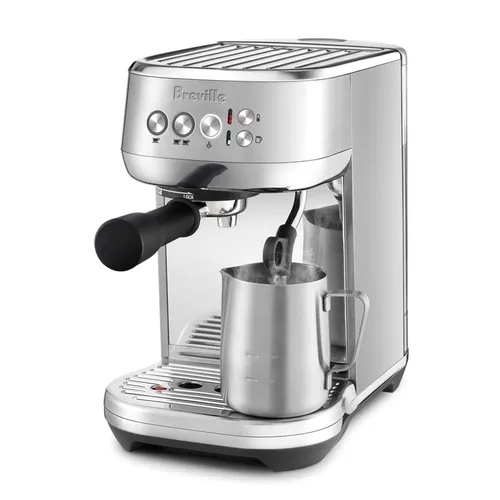
Breville Bambino PlusOur Top Pick

Breville Bambino Plus

$500

The easiest way to start making real espresso at home. Heats up in 3 seconds, froths milk automatically, and fits in tight kitchens.

Jump to review
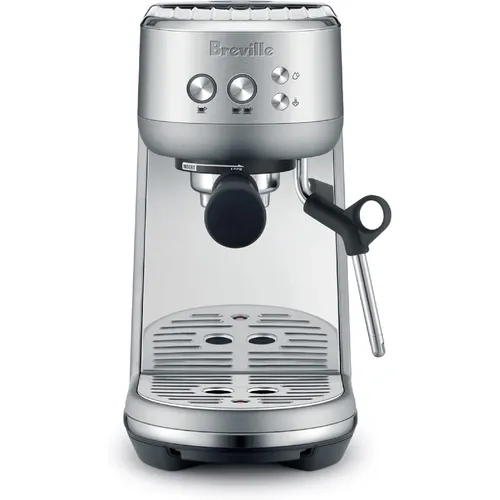
Breville BambinoBest Value

Breville Bambino

$300

Everything great about the Bambino Plus, minus the automatic steam wand. Save $200 and learn manual milk frothing instead.

Jump to review
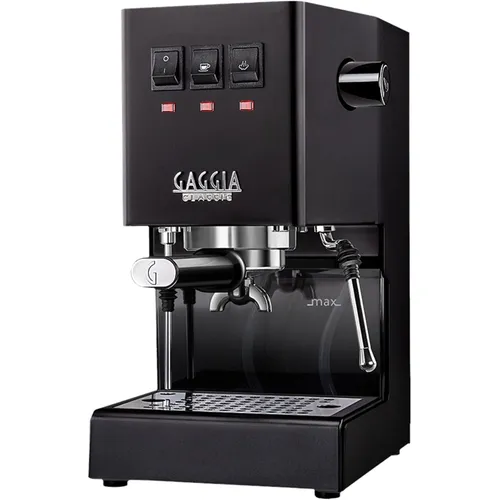
Gaggia Classic Evo ProBest for Growing Into

Gaggia Classic Evo Pro

$499

The machine you won't outgrow. Commercial-grade build quality, a 58mm portafilter, and an upgrade path that lasts for years.

Jump to review

Best overall

It textures the milk for you and stops at temperature, which removes the single hardest skill in home coffee. You get a drinkable latte on day one instead of after a month of practice, and it heats in three seconds so it gets used.

Our Top Pick
Breville Bambino Plus

Breville

Breville Bambino Plus

$499.95
9.4/ 10
Check price on Amazon

Why we love it

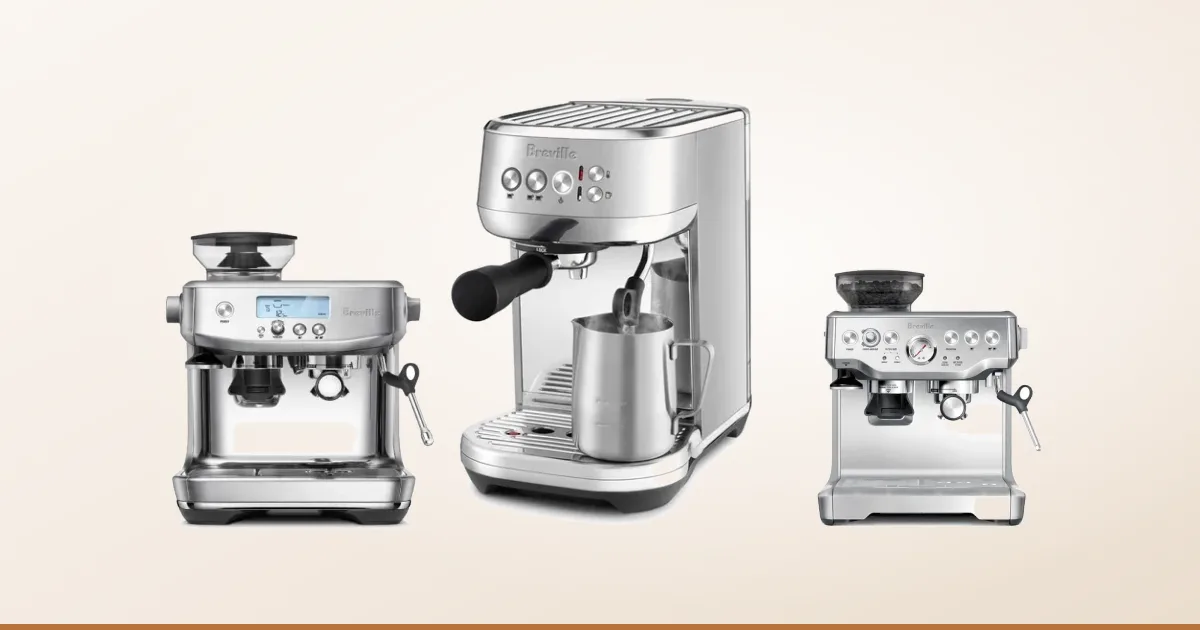
The Bambino Plus removes every barrier to good espresso. The ThermoJet heating system is ready in 3 seconds — no waiting around. The automatic steam wand handles milk frothing for you, which means you're making lattes on day one without learning steam wand technique. It pulls consistent, balanced shots through a 54mm portafilter, and the whole machine is barely bigger than a toaster. If you want one machine that just works from the moment you unbox it, this is it.

Pros

  • Ready to brew in 3 seconds — fastest heat-up in its class
  • Automatic milk frothing takes the guesswork out of lattes
  • Compact footprint fits under cabinets and on small counters
  • PID temperature control for consistent shot quality
  • Pre-infusion helps extract flavor evenly

Cons

  • No built-in grinder — you'll need to buy one separately or use pre-ground
  • 54mm portafilter limits your upgrade path for accessories
  • Automatic steam wand gives less control than a manual one
If you want to learn to steam

Manual wands, and both are good ones. Steaming milk yourself is a real skill and about a fortnight of ruined jugs — worth it if you want latte art, pointless if you want a coffee before work.

Best Value
Breville Bambino

Breville

Breville Bambino

$299.95
9/ 10
Check price on Amazon

Why we love it

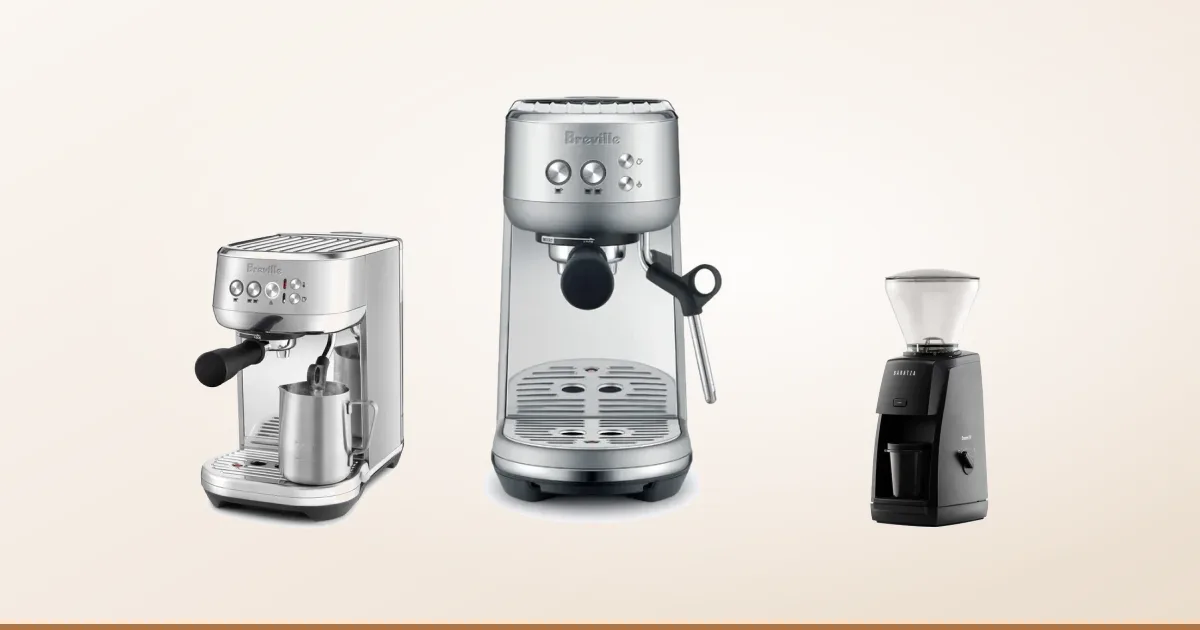
The Bambino is the Bambino Plus's younger sibling. You get the same ThermoJet heating system (3-second heat-up), the same 54mm portafilter, the same PID temperature control, and the same compact footprint. The difference? The steam wand is manual instead of automatic. That means you'll need to learn to froth milk yourself — but a lot of people actually prefer this, because you get more control over texture and temperature. It also comes with both pressurized and non-pressurized baskets, so you can start easy and level up your technique over time. At $300, it's $200 less than the Plus and arguably the best value in beginner espresso machines.

Pros

  • Same 3-second ThermoJet heat-up as the Bambino Plus
  • PID temperature control for consistent shots
  • Includes both pressurized and non-pressurized baskets
  • Manual steam wand gives more control over milk texture
  • $200 less than the Bambino Plus

Cons

  • Manual steam wand requires practice to master
  • No built-in grinder — separate purchase needed
  • 54mm portafilter is smaller than the 58mm standard
  • No dedicated hot water button for Americanos
Best for Growing Into
Gaggia Classic Evo Pro

Gaggia

Gaggia Classic Evo Pro

$499.00
8.8/ 10
Check price on Amazon

Why we love it

The Gaggia Classic Evo Pro is the machine serious coffee people recommend to beginners who know they're going to stick with this hobby. It's made in Italy with a stainless steel body, a commercial-spec 58mm portafilter, a 3-way solenoid valve for clean puck removal, and 9-bar extraction pressure — the same standard used in specialty coffee shops. It doesn't automate anything for you, which means there's more to learn, but it also means you're building real barista skills from day one. The huge modding community means you can add a PID controller, swap baskets, upgrade the steam wand tip — this machine grows with you instead of holding you back.

Pros

  • Commercial 58mm portafilter — same size as pro machines
  • Made in Italy with stainless steel construction
  • 9-bar extraction meets specialty coffee standards
  • 3-way solenoid valve for dry, clean puck knock-out
  • Massive upgrade and modding ecosystem

Cons

  • No built-in grinder — requires a quality burr grinder ($100–200+)
  • Steeper learning curve than more automated machines
  • Single boiler means you wait between brewing and steaming
  • Needs 8–10 minutes to fully heat up

With the grinder in the same box

One machine, one footprint, beans to latte. The Pro heats in three seconds and switches straight from shot to steam; the Express is the same idea more slowly and for less.

Best All-in-One
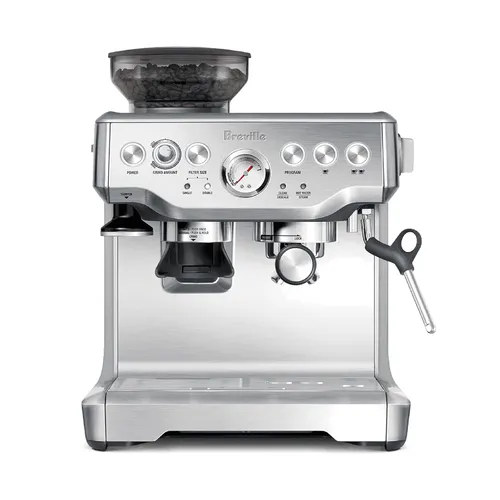
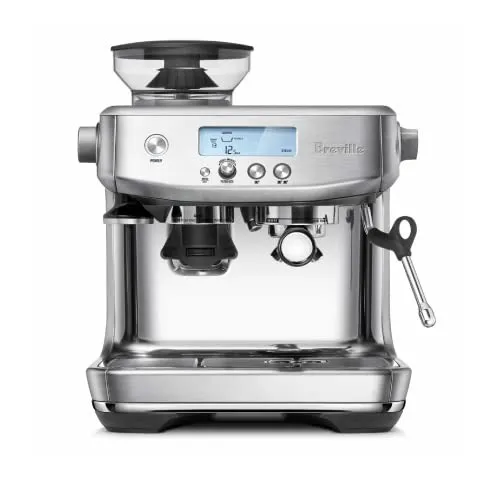
Breville Barista Pro

Breville

Breville Barista Pro

$849.95
9.2/ 10
Check price on Amazon

Why we love it

The Barista Express is the machine everyone recommends and the Pro is what it should have been. Same idea — grinder and espresso machine in one body — but with the ThermoJet system from the Bambino, so it reaches extraction temperature in three seconds instead of waiting on a thermocoil, and it switches from espresso to steam instantly rather than making you pause between the shot and the milk. PID regulation holds the brew temperature to within 2°C, which is the difference between a machine that is consistent and one that is consistent once it has warmed up. The integrated grinder doses straight into the portafilter and is genuinely good, if not the equal of a $200 standalone. What you are buying at around $850 is the all-in-one convenience without the Express’s two real compromises.

Pros

  • ThermoJet heat-up in 3 seconds, and no wait between shot and steam
  • PID holds brew temperature within 2°C
  • Integrated conical burr grinder doses into the portafilter
  • Low-pressure pre-infusion for a more even extraction
  • One body, one plug — the whole setup in a moderate footprint

Cons

  • $160 more than the Barista Express for heating and PID
  • Built-in grinder can’t be upgraded or serviced separately
  • 54mm portafilter, not the 58mm commercial size
  • Manual steam wand — milk texturing is a skill you still have to learn
Best All-in-One
Breville Barista Express

Breville

Breville Barista Express

$689.99
9/ 10
Check price on Amazon

Why we love it

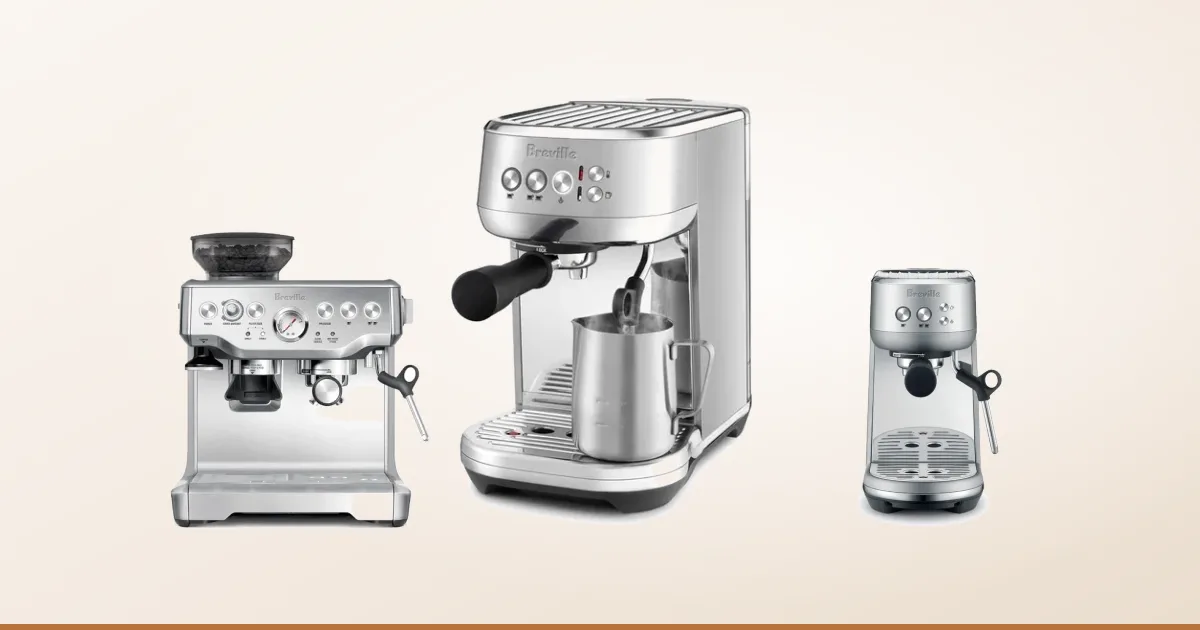
The Barista Express is the most popular home espresso machine in the world for a reason. It has a built-in conical burr grinder, so you go from whole beans to espresso in a single machine — no separate grinder cluttering your counter. The grind-to-brew workflow keeps everything tight: adjust grind size, dose, tamp, pull. You learn espresso fundamentals without needing extra equipment. The steam wand is manual, which means you'll need to practice milk texturing, but that's actually a plus — you're building real skills. It's bigger than the Bambino, but you're getting a grinder and espresso machine in one footprint.

Pros

  • Built-in burr grinder — no separate grinder needed
  • Grind size dial makes adjustments easy to see and repeat
  • PID temperature control for consistent extraction
  • Manual steam wand lets you learn real milk texturing
  • Huge community — tons of tutorials and tips online

Cons

  • Built-in grinder isn't as good as a dedicated espresso grinder
  • Bigger footprint — needs more counter space
  • More to learn vs. the Bambino Plus's simpler workflow
  • Higher price point at around $690

Spending less

Both have a steam wand and neither will make café microfoam. What they will make is a hot milky coffee at home, which for a lot of people is the actual goal.

Best for Small Spaces
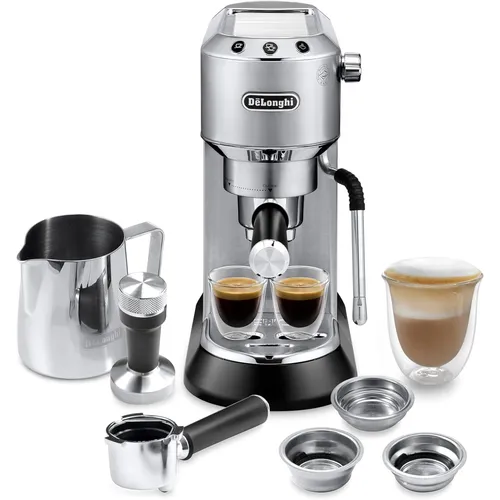
De'Longhi Dedica Arte

De'Longhi

De'Longhi Dedica Arte

$299.95
8.2/ 10
Check price on Amazon

Why we love it

The Dedica Arte is only 6 inches wide. That's narrower than most coffee makers, and it still pulls genuine espresso with 15 bars of pressure. The standout upgrade over older Dedica models is the LatteArt steam wand — a panarello-style wand that makes it genuinely easy to texture milk and pour latte art from day one. It heats up in about 40 seconds and has a clean stainless steel design that looks sharp on any counter. The pressurized baskets are forgiving for beginners — you don't need a perfect grind to get a decent shot. It's the best option if counter space is your biggest constraint and you want something that feels like a real espresso machine, not a toy.

Pros

  • Ultra-slim 6-inch profile — fits anywhere
  • LatteArt steam wand makes milk texturing accessible for beginners
  • Attractive stainless steel design
  • 40-second heat-up time
  • Works with ESE pods as a convenience option

Cons

  • Pressurized baskets limit espresso quality ceiling
  • Plastic internals in some areas feel less premium
  • Small water tank (35 oz) needs frequent refills
Best Budget Pick
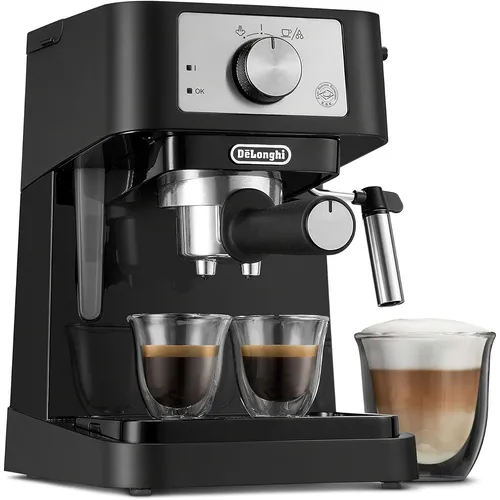
De'Longhi Stilosa

De'Longhi

De'Longhi Stilosa

$104.97
7.8/ 10
Check price on Amazon

Why we love it

At around $105, the Stilosa is the floor for a real espresso machine. It has a 15-bar pump, a stainless steel boiler, and a manual steam wand — everything you need to make actual espresso, not just strong coffee. There's no screen, no menus, no complexity — just a dial and two lights. The pressurized baskets mean you can use pre-ground coffee and still get decent crema. It's not going to compete with machines costing 3x more, but it does exactly what it promises: it makes real espresso, it teaches you the basics, and it costs less than a month of coffee shop visits. The perfect first machine for anyone who isn't sure they want to commit yet.

Pros

  • Unbeatable price — real espresso for around $105
  • Simple dial control — no learning curve for the machine itself
  • Stainless steel boiler for durability
  • Compact and lightweight — easy to store or move
  • Pressurized baskets work well with pre-ground coffee

Cons

  • Basic steam wand produces decent but not silky foam
  • No PID — temperature consistency isn't as tight
  • Plastic portafilter feels cheap compared to pricier machines
  • Small 1-liter water tank

Without an espresso machine at all

A pod machine with a frother in the box. It makes a genuinely good latte with no technique and nothing to dial in — the trade is that the capsules decide the coffee and cost more per cup than beans.

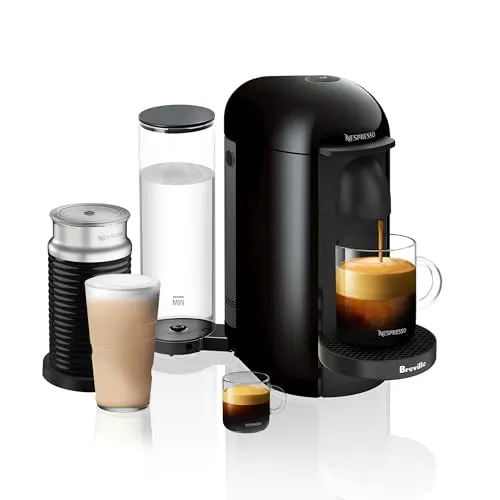
Nespresso Vertuo Plus with Aeroccino

Nespresso

Nespresso Vertuo Plus with Aeroccino

$166.56
8.6/ 10
Check price on Amazon

Why we love it

The pod machine to buy if you drink milk drinks. Vertuo capsules carry a barcode that tells the machine the volume, grind and spin speed for that specific coffee, so a double espresso and an 8 oz mug both come out right from one machine — something no Keurig attempts. The included Aeroccino froths hot or cold in one touch, which is what turns a pod machine into something that makes a passable latte rather than just coffee.

Pros

  • Four cup sizes, from a double espresso to an 8 oz coffee
  • Capsule barcode sets volume and extraction per coffee, not per button
  • Aeroccino milk frother included — hot or cold, one touch
  • Heats in about 25 seconds
  • Genuine crema, which Keurig does not produce

Cons

  • Vertuo capsules are Nespresso-only — no third-party or supermarket refills
  • Capsules cost more per cup than K-Cups
  • Vertuo pods are aluminium and need Nespresso’s own recycling scheme
  • Larger footprint than a basic pod machine, and the frother is another object

The grinder decides the shot, the wand decides the latte

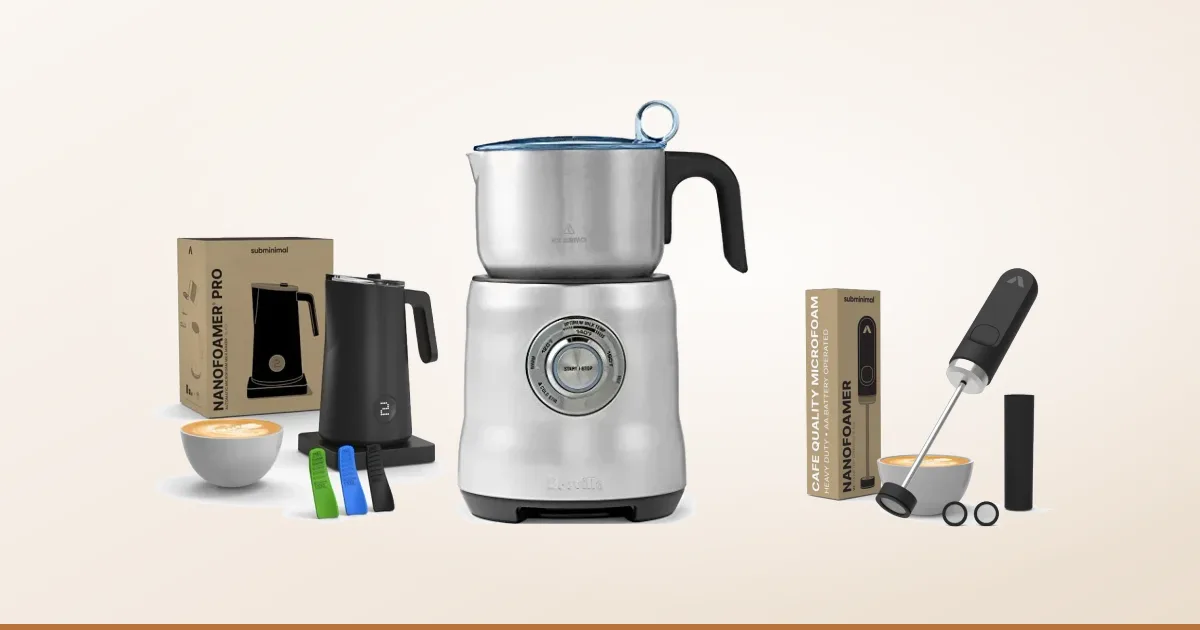
Both halves have to work. A latte is mostly milk, so a weak or sour shot disappears into it and tastes like warm milk — which is a grinder problem, not a machine problem, and the grinder guide covers it. But the part people give up on is the milk: texturing by hand takes weeks, and that is why the automatic pick leads this page. If you already own an espresso machine with a wand you cannot get on with, a separate milk frother solves it for far less than a new machine.

How we chose these

Judged on the milk first: whether the wand makes microfoam that pours rather than bubbles that sit, and whether the machine textures automatically. Heat-up time counted heavily, because a machine that takes five minutes to be ready is a machine that gets skipped on a weekday. Shot quality was assessed on temperature stability and portafilter size, and machines with a grinder in the box are flagged as such rather than credited for it — an integrated grinder is a convenience, not an upgrade. Ratings draw on published specifications, manufacturer material claims and user reviews at volume.

What to know before you buy

What’s the best latte machine for home?

The Breville Bambino Plus at $500. It textures milk automatically and stops at temperature, so you are making drinkable lattes on day one rather than after a month of practice — and milk, not espresso, is what people give up on. It heats in three seconds and takes very little counter, which is the other half of whether a machine actually gets used. If you want to learn to steam by hand, the Bambino at $300 is the same machine with a manual wand.

Is a latte machine the same as an espresso machine?

Yes — there is no separate category of machine, which is why searching for one is confusing. A latte is espresso plus textured milk, so what you are looking for is an espresso machine with a steam wand you can live with. The useful distinction is between machines that texture the milk for you and machines that expect you to do it, and that difference matters far more day to day than any spec on the shot side.

What’s the best latte machine for beginners?

The Bambino Plus, and the reason is the wand rather than the shot. Every machine here under $499 makes an acceptable espresso; what decides whether a beginner setup survives the first month is whether milk drinks are achievable in week one. Automatic texturing removes the one skill that takes longest to learn. Start on a manual wand only if the learning is the part you want.

What’s the best latte machine under $200?

The De’Longhi Stilosa at $105 is the only espresso machine here that clears that bar, and it asks you to do everything yourself. Below about that mark the honest answer stops being an espresso machine at all: a Nespresso with a frother, or a decent milk frother next to a strong brewed coffee, will give you a better milky drink than a cheap pressurised machine will.

Can you make latte art with these?

With the manual wands, yes, once you can texture milk — the Bambino and the Gaggia both make microfoam good enough to pour patterns. With the automatic wand it is harder, because it targets a temperature and a texture rather than letting you steer the jug. And with the pod machine, no: an Aeroccino makes good foam but not the dense, glossy microfoam art needs. If latte art is the goal, buy a manual wand and expect a fortnight.

Do I need a separate grinder?

Unless the machine has one built in, yes, and it is not optional for espresso. Espresso needs a fine, precisely adjustable grind that a general-purpose grinder cannot reach — a great machine with a cheap grinder makes worse coffee than a modest machine with a good one. The grinder guide covers which ones go fine enough. Budget for it before you choose the machine, or the machine will get blamed for what the grinder did.

What milk froths best for lattes?

Whole dairy milk, because fat and protein are what hold the foam. Semi-skimmed froths well too and tastes thinner. Of the plant milks, barista-formulated oat is by far the most reliable — standard oat, almond and soy all split or collapse unpredictably, which is why some frother manufacturers decline to promise anything about them. If you drink oat lattes daily, buy the barista version; it is formulated for exactly this.

Bottom line

Buy the Breville Bambino Plus at $500: it textures the milk for you, heats in three seconds, and removes the reason most home latte setups get abandoned. Buy the Bambino at $300 if you want to learn the wand yourself, or the Barista Pro at $850 if you want the grinder in the same box. And if you want a latte without learning anything, the Nespresso Vertuo Plus at $167 comes with a frother and makes a genuinely good one.

Related guides

Stay in the loop

New gear reviews, brew tips, and the occasional deal — straight to your inbox. No spam, ever.