GuidesBrowseComparisons
Roundup

Best Super-Automatic Espresso Machines

Bean-to-cup machines that grind, tamp and brew at a touch, grouped by what you drink and what, if anything, you still want to do by hand.

By Dana WhitfieldUpdated October 2026
5 products compared8 min read
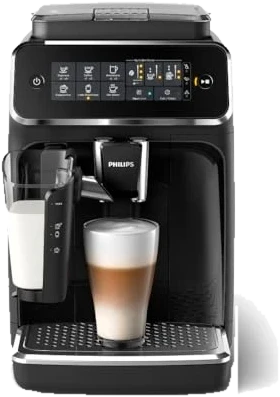
Philips 3200 Series LatteGo

★ Our top pick

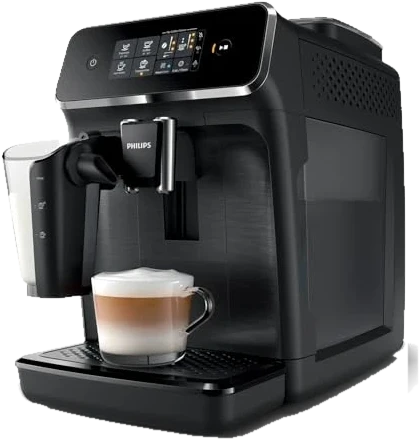
Philips 3200 Series LatteGo

Best Bean-to-Cup · Around $550

Bean-to-cup espresso machine with a ceramic grinder, five drinks on a touch display, and the two-part LatteGo milk system that rinses clean in seconds.

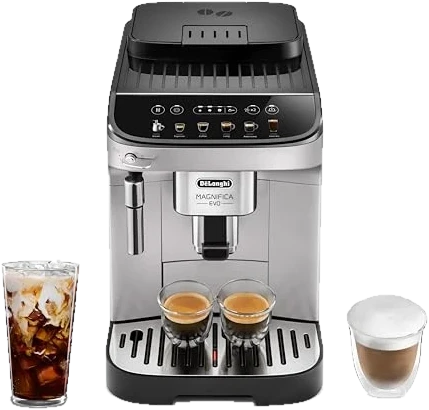
De'Longhi Magnifica Evo

De'Longhi Magnifica Evo

Around $550

Bean-to-cup espresso machine with a 13-setting conical burr grinder, one-touch espresso, coffee, americano, iced coffee and long, and a manual steam wand for the milk.

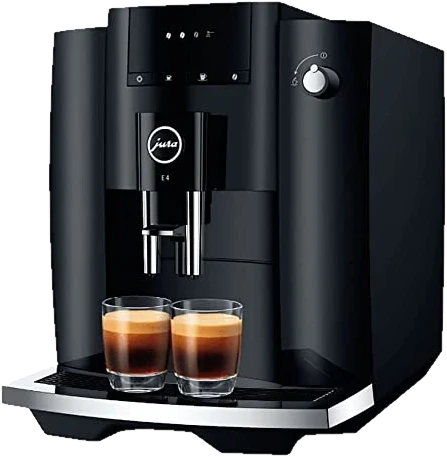
Jura E4

Jura E4

Around $1,400

Swiss bean-to-cup machine for black coffee: five one-touch drinks, Jura's Pulse Extraction Process, a conical burr grinder, a 64oz tank and no milk system.

A super-automatic does every step of espresso for you: it grinds the beans, doses and tamps them inside the machine, brews, and on most models froths the milk too. You press a button and a cappuccino comes out. What you give up is control. The machine decides the dose and the tamp, and the shot is good rather than the best a skilled hand could pull.

Five machines here, grouped by what you drink and what, if anything, you still want to do yourself. The first question is milk: a machine that froths it for you, one with a wand you work by hand, or none at all.

Best for most homes

Five drinks at a touch, cappuccino and latte macchiato included, and a milk jug in two parts with no tubes, so the milk side gets cleaned instead of avoided. The AquaClean filter means no descaling for up to 5,000 cups, per Philips.

Best Bean-to-Cup

Why we love it

The Philips 3200 grinds, doses, tamps and brews for you, from beans to cup at a touch. Five drinks are on the display: espresso, coffee, americano, cappuccino and latte macchiato, and the strength and amount can be adjusted. Milk goes in the LatteGo jug, a two-part system with no tubes that Philips says rinses clean in 15 seconds or goes in the dishwasher, which is the part of a bean-to-cup machine people stop cleaning. The grinder is ceramic, and with the AquaClean filter changed when the machine asks, Philips says you won't need to descale for up to 5,000 cups. It makes good coffee with no skill at all; what it doesn't give you is the control of a machine you work yourself.

Pros

  • Beans to cup at a touch, five drinks
  • LatteGo milk jug: two parts, no tubes, dishwasher-safe
  • Strength and amount adjustable
  • Ceramic grinder
  • AquaClean filter: no descaling for up to 5,000 cups, per Philips

Cons

  • Less control over the shot than a machine you tamp yourself
  • Takes more counter than a compact espresso machine
  • AquaClean filters are an ongoing cost
The same idea for less

The same LatteGo jug and ceramic grinder with three drinks instead of five: espresso, coffee and cappuccino. If cappuccino is your milk drink, you lose nothing you'd use.

Why we love it

The 2200 is the 3200 with fewer drinks. It makes espresso, coffee and cappuccino at a touch, with three strength and amount settings, and it uses the same LatteGo milk jug and ceramic grinder, so the parts you live with every day are the same. Philips says its Aroma Extract system holds the brew water between 90 and 98°C, and the AquaClean filter means no descaling for up to 5,000 cups when you change it on prompt. If cappuccino is the milk drink you make, it does everything the 3200 does that you'll use.

Pros

  • Espresso, coffee and cappuccino at a touch
  • Same LatteGo milk jug as the 3200
  • Ceramic grinder
  • Brew water held at 90–98°C, per Philips
  • AquaClean filter: no descaling for up to 5,000 cups

Cons

  • Three drinks; no americano or latte macchiato button
  • Fewer settings than the 3200
  • Bean-to-cup control is limited

If you'd rather steam the milk yourself

Beans to cup at a touch, including iced coffee, with a 13-setting grinder and a manual steam wand. You froth the milk, which takes practice and gives you the texture you want.

Why we love it

The Magnifica Evo grinds and brews at a touch: espresso, coffee, americano, iced coffee and a long coffee, each adjustable. Its conical burr grinder has 13 settings, more than most bean-to-cup machines bother with. The milk is the difference from the Philips: this version has a traditional manual steam wand, so you froth the milk yourself, which takes practice and gives you control. The removable parts go in the dishwasher. Buy it if you want bean-to-cup coffee and are happy to steam the milk by hand.

Pros

  • Beans to cup at a touch, including iced coffee
  • 13-setting conical burr grinder
  • Manual steam wand for milk you texture yourself
  • Dishwasher-safe removable parts

Cons

  • Milk drinks need you at the wand
  • Takes more counter than a compact espresso machine
  • Bean-to-cup control is limited

If you drink it black

No milk system at all, so nothing but the machine to clean. Five black-coffee drinks at a touch from a Swiss machine that costs far more than the rest; you're paying for the build.

Jura E4

Jura

Jura E4

8.7/ 10

Why we love it

The Jura E4 is built for people who drink coffee black. It makes five drinks at a touch: espresso, ristretto, coffee, and Jura's Café Barista and Lungo Barista, using its Pulse Extraction Process, which pulses the water through the coffee rather than pushing it in one go. The conical burr grinder feeds from a 10oz bean container, and the tank holds 64oz. There is no steam wand or milk system at all, which is both the catch and the point: nothing to clean but the machine itself. It costs far more than the Philips and De'Longhi machines here; what you pay for is the build and the black-coffee focus.

Pros

  • Five black-coffee drinks at a touch
  • Pulse Extraction Process
  • Conical burr grinder, 10oz beans
  • 64oz tank
  • No milk system to clean

Cons

  • No milk system at all
  • Far more expensive than the other bean-to-cup machines here
  • Fixed menu with little to adjust

Halfway: you still pull the shot

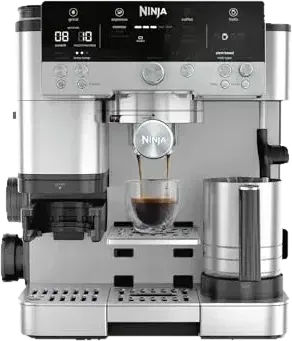
Not a super-automatic: you lock in the portafilter and start the shot. But it weighs the dose, presses the puck and froths the milk for you, and it gets closer to café espresso than a bean-to-cup machine. It brews drip coffee and cold brew too.

Easiest All-in-One

Why we love it

Every all-in-one espresso machine puts the grinder in the box. The Luxe Café also takes over the three jobs that make a beginner’s first month miserable. The conical burr grinder has 25 settings and weighs the dose rather than timing it, so a change of beans doesn’t quietly change how much coffee is in the basket. An assisted tamper presses the puck level without you having to judge the force. A spinning whisk paired with the steam wand textures the milk on four presets, from steamed milk to cold foam, and you can walk away while it does. Ninja’s listing also says the machine adjusts temperature and pressure for the drink you select. On top of that it brews a drip-style coffee in six to eighteen ounces and cold brew, so the person in the house who doesn’t drink espresso uses it too. What it doesn’t do is teach you espresso: the machine makes the decisions, which is the point if you want a latte at 7am.

Pros

  • Weight-based dosing straight from a 25-setting conical burr grinder
  • Assisted tamper presses the puck for you
  • Hands-free frothing: whisk plus steam, four presets including cold foam
  • Drip coffee and cold brew as well as espresso
  • Onboard storage for the tamper, baskets and cleaning kit

Cons

  • Little to learn from: the machine makes the dialing-in decisions
  • Not a standard portafilter size: buy baskets and tampers made for the Luxe Café
  • Much less owner history than the Breville Barista machines
  • The Pro version’s hot-water spout and lever tamper aren’t on this model

How we chose these

Judged on what each machine takes off your hands and what it asks back: the drinks on its menu, how the milk is handled and how hard that part is to keep clean, the grinder, and the maintenance the maker states (descaling, filters). We read owner reviews at volume and checked each listing for what it actually states.

What to know before you buy

What is a super-automatic espresso machine?

One that grinds, doses, tamps and brews inside the machine at the press of a button, and on most models froths the milk too. It’s also called a bean-to-cup or fully automatic machine. A semi-automatic like the Breville Bambino leaves the grinding, dosing and tamping to you.

What’s the best automatic espresso machine with a grinder?

For most homes, the Philips 3200 LatteGo: five drinks at a touch, a ceramic grinder, and a milk jug with two parts and no tubes that rinses clean in seconds. The Philips 2200 does the same for less with three drinks; the De’Longhi Magnifica Evo has a 13-setting grinder and a manual wand if you’d rather froth the milk yourself.

What’s the best super-automatic espresso machine under $1,000?

The Philips 3200 LatteGo, well under that ceiling, and the De’Longhi Magnifica Evo beside it. Most of what you pay more for above it is build and a bigger menu; the Jura E4 is the exception on this page, a black-coffee machine whose price is mostly the build.

Is a super-automatic espresso machine worth it?

If you want espresso drinks every day with no skill and no mess, yes: nothing else gets a cappuccino from whole beans with one button. If you want the best espresso, no: a semi-automatic and a good grinder make a better shot, at the cost of learning to use them.

Philips 3200 or De’Longhi Magnifica Evo?

The Philips 3200 if you want milk drinks at a touch: its LatteGo jug froths the milk for you and cleans in seconds. The Magnifica Evo if you’d rather steam the milk yourself on a manual wand, or want its 13 grind settings and an iced coffee button. Our Philips 3200 vs Magnifica Evo comparison goes through it.

Do super-automatic machines make real espresso?

They brew under pressure from freshly ground beans, which is espresso, but the machine fixes the dose and the tamp, so you can’t fine-tune a shot the way you can on a semi-automatic. The result is consistent and good rather than exceptional. The Ninja Luxe Café is the halfway option: it weighs and tamps for you but you still pull the shot.

Bottom line

For most homes, buy the Philips 3200 LatteGo: five drinks at a touch, a ceramic grinder and a milk system that’s easy enough to keep clean that you will. The Philips 2200 for less if cappuccino is enough; the Magnifica Evo if you want to steam by hand; the Jura E4 if you only drink it black.

Related guides

Stay in the loop

New gear reviews, brew tips, and the occasional deal — straight to your inbox. No spam, ever.