Under $300 buys a real espresso machine with a steam wand attached, and nothing on this page is a toy. Every pick is semi-automatic — you grind, fill and tamp the portafilter, the machine runs the water — which is the same job as the commercial machine behind a café counter, at one group head instead of two.
What the budget decides is the milk, so the picks are sorted by what you mostly drink. A latte or macchiato every morning wants the best wand you can afford. Iced lattes want a machine that makes a good double shot and doesn’t make you wait for it. And if the price is the point, the cheapest group still steams milk, just with less control over how.
Six machines made the cut, starting at $100. Ninja, the other brand most stores carry, doesn’t make a portafilter machine under $300 — its Luxe Café line starts above it.
Quick picks
Best Value
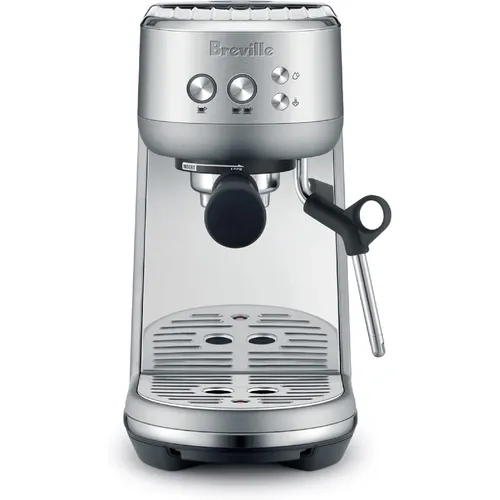
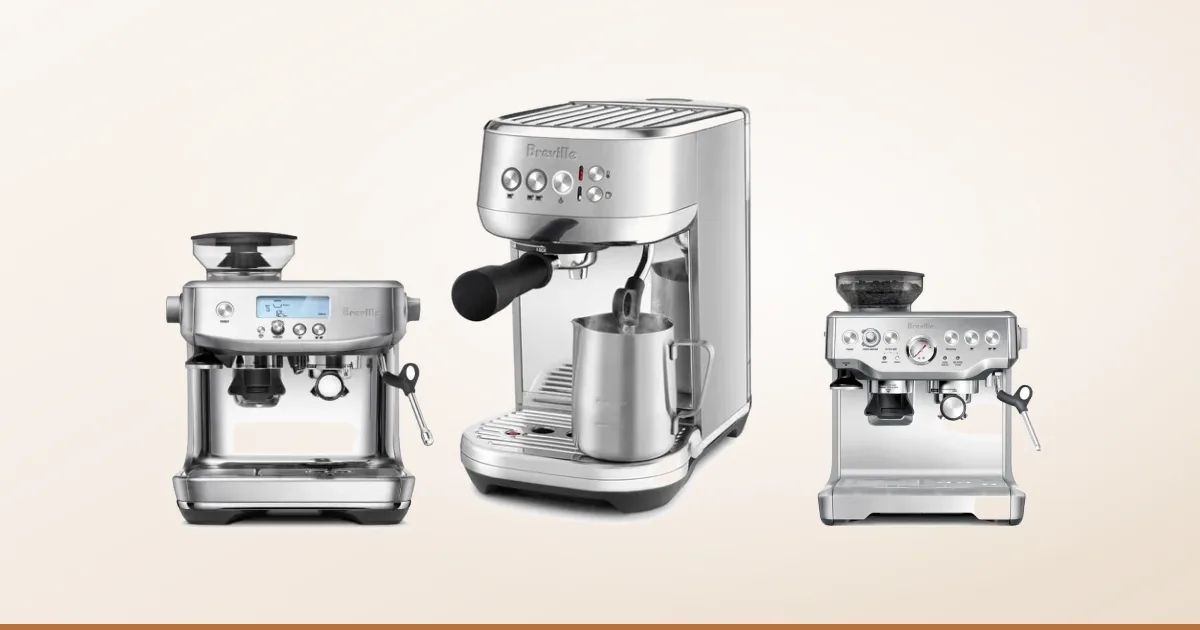
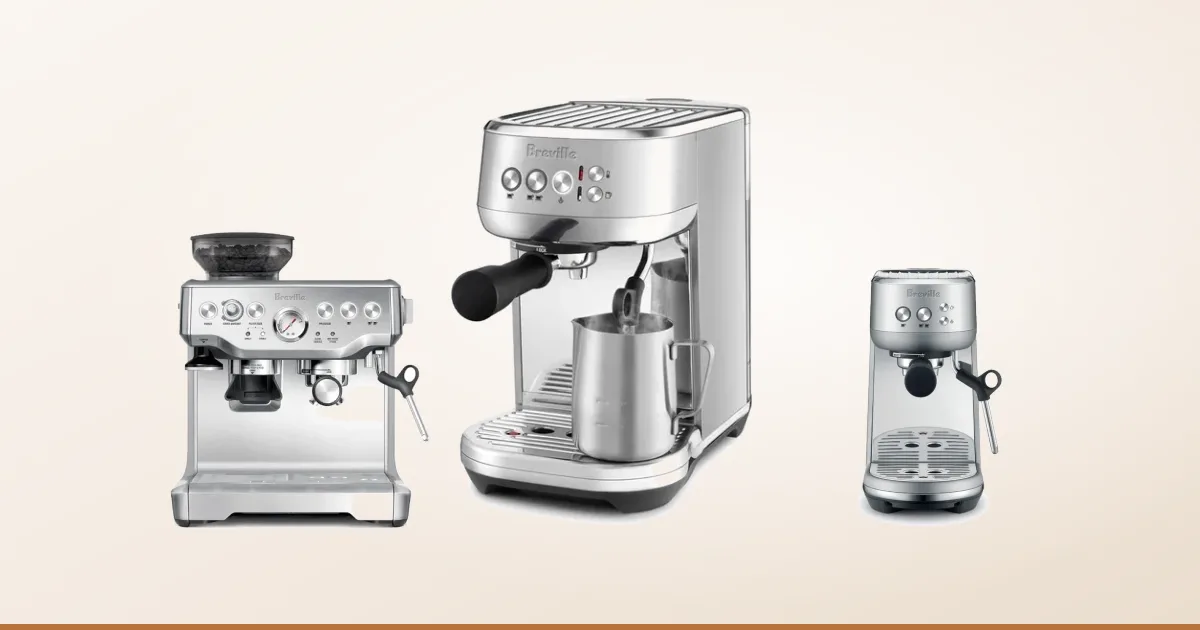
Breville Bambino
$250
Everything great about the Bambino Plus, minus the automatic steam wand. Save $150 and learn manual milk frothing instead.
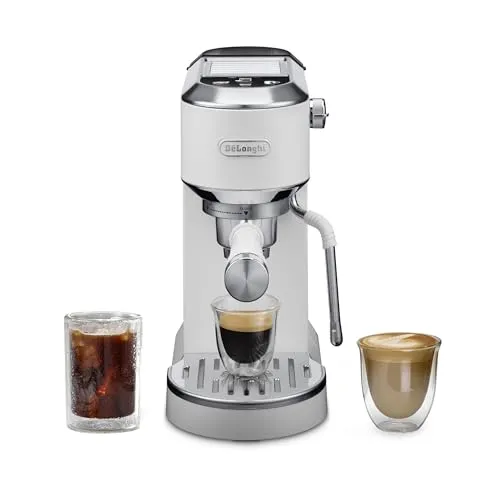
A slim espresso machine built around iced drinks: a cold brew recipe next to single and double espresso, and a steam wand that makes real microfoam for the hot ones.
Temperature control, a three-second heat-up and a manual wand that makes real microfoam. It takes a few weeks to learn the wand, and it is the machine at this price you will not outgrow.
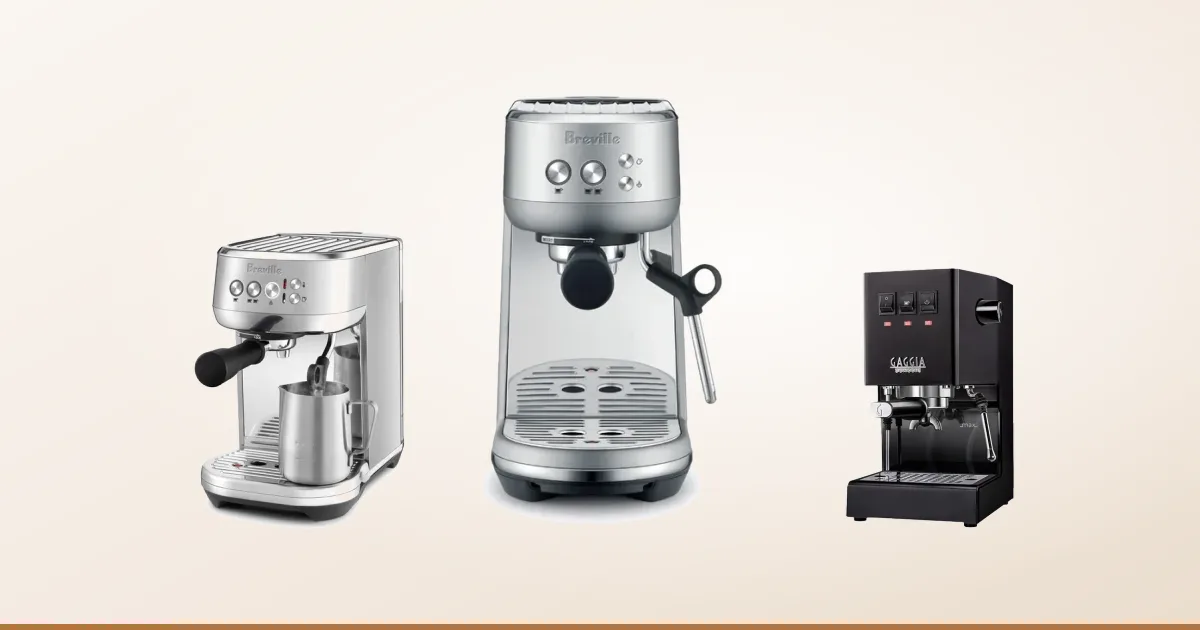
The Bambino is the Bambino Plus's younger sibling. You get the same ThermoJet heating system (3-second heat-up), the same 54mm portafilter, the same PID temperature control, and the same compact footprint. The difference? The steam wand is manual instead of automatic. That means you'll need to learn to froth milk yourself — but a lot of people actually prefer this, because you get more control over texture and temperature. It also comes with both pressurized and non-pressurized baskets, so you can start easy and level up your technique over time. At $250, it's $150 less than the Plus and arguably the best value in beginner espresso machines.
Pros
Same 3-second ThermoJet heat-up as the Bambino Plus
PID temperature control for consistent shots
Includes both pressurized and non-pressurized baskets
Manual steam wand gives more control over milk texture
$150 less than the Bambino Plus
Cons
Manual steam wand requires practice to master
No built-in grinder — separate purchase needed
54mm portafilter is smaller than the 58mm standard
If you mostly drink iced lattes
An iced latte is a double shot over ice with cold milk, so the shot matters and the wand barely does. Both are slim De’Longhis with a LatteArt wand for the hot drinks; the Duo adds a cold brew recipe.
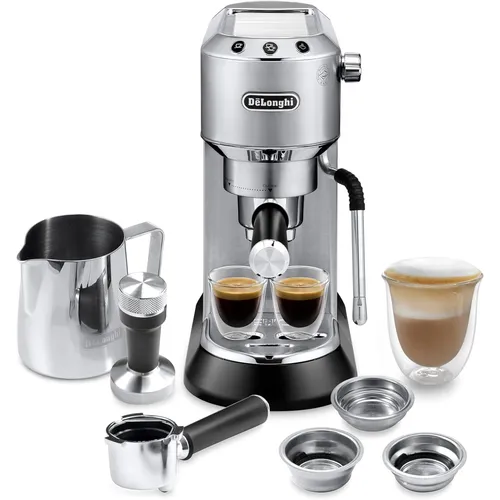
Most espresso machines treat an iced latte as your problem. The Dedica Duo puts it on the front panel: three preset recipes — espresso, double espresso and a cold brew setting — on a touch display, so the drink most people actually order at a café is a button rather than a workaround. Underneath it is a proper semi-automatic: you fill and tamp the portafilter, the pump runs low-pressure pre-infusion and then a steady 9 bars, and the shot stops itself. The My LatteArt wand is the commercial-style kind rather than a frothing sleeve, so it will texture milk for a cappuccino once you learn it. De'Longhi doesn't say how long the cold brew setting takes or how it differs from a slow espresso, so judge it on taste, not on the name.
Pros
Cold brew preset alongside single and double espresso
Commercial-style My LatteArt wand makes microfoam, not just bubbles
Low-pressure pre-infusion, then a stable 9 bars
Shot stops on its own — no timing by hand
Dedica-slim footprint fits a crowded counter
Cons
De'Longhi doesn't explain what the cold brew setting actually does
Touch display is one more thing to break than a dial
The Dedica Arte is only 6 inches wide. That's narrower than most coffee makers, and it still pulls genuine espresso with 15 bars of pressure. The standout upgrade over older Dedica models is the LatteArt steam wand — a panarello-style wand that makes it genuinely easy to texture milk and pour latte art from day one. It heats up in about 40 seconds and has a clean stainless steel design that looks sharp on any counter. The pressurized baskets are forgiving for beginners — you don't need a perfect grind to get a decent shot. It's the best option if counter space is your biggest constraint and you want something that feels like a real espresso machine, not a toy.
Pros
Ultra-slim 6-inch profile — fits anywhere
LatteArt steam wand makes milk texturing accessible for beginners
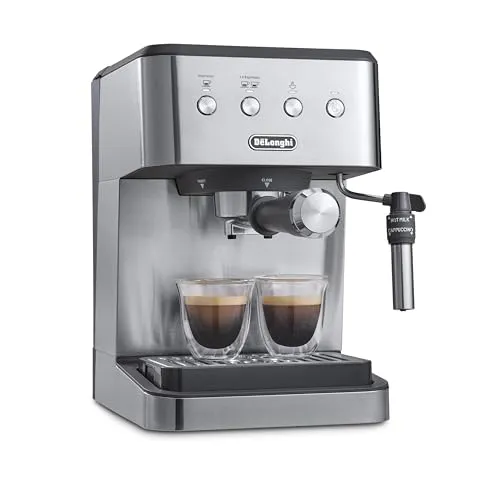
Still a portafilter, still a steam wand on the machine. The Classic’s sleeve does the foaming for you, the CASABREWS gauge shows you why a shot ran fast or slow, and the Stilosa is the cheapest real espresso machine there is.
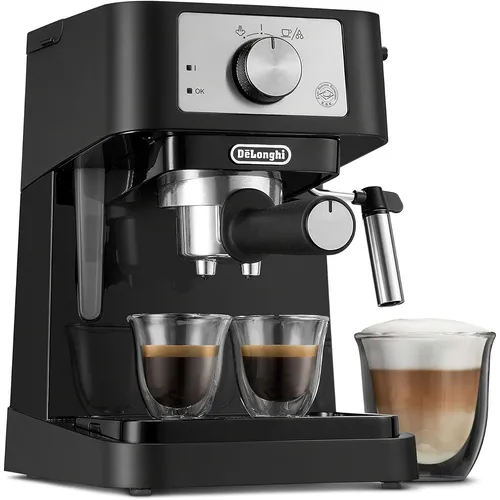
The Classic is for someone who wants a latte without learning a steam wand. The wand wears a frothing sleeve with two settings — hot milk for a latte, cappuccino for a stiffer foam — so the sleeve does the aerating that a bare wand leaves to your hand. That makes a cap of foam much easier to get right, and it's the trade: the sleeve won't make the glossy microfoam latte art needs. The shot side is a straightforward semi-automatic — fill, tamp, press single or double — with a Thermoblock heater and a 9-bar pump that stops at a preset dose you can adjust. It's wider and boxier than the Dedica line.
Pros
Frothing sleeve switches between hot milk and cappuccino foam
Single and double presets stop the shot for you, and are adjustable
Thermoblock heater is ready quickly
Simple four-button panel
Cons
Sleeve makes airy foam, not latte-art microfoam
Wider and boxier than the Dedica machines
De'Longhi doesn't publish how long it takes to switch from steam back to brewing
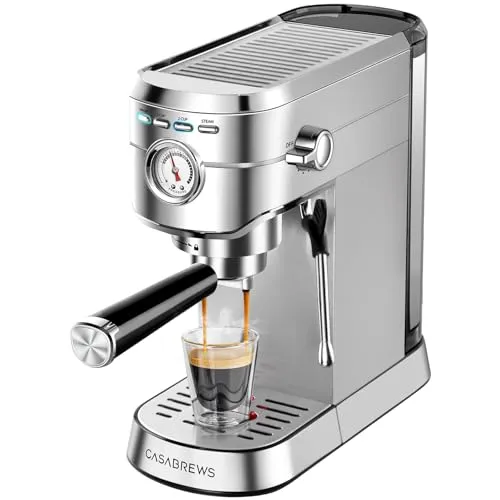
The gauge is the reason to buy it. A beginner's shot fails for one of two reasons — the grind is too coarse and the water rushes through, or too fine and it chokes — and a needle that sits low or pins high tells you which, shot by shot. That is feedback a $100 machine doesn't give you. It ships with one- and two-cup baskets, a portafilter and a tamper, and has a real steam wand rather than a sleeve. The catch is written into its own listing: brew straight after steaming and it trips overheating protection, so you pull the shot first and steam second, or wait for it to cool. The 20-bar figure on the box is what the pump can reach, not what the coffee sees: espresso brews at around 9 bars, and the gauge is how you'll know where this one sits.
Pros
Pressure gauge shows whether the grind is too coarse or too fine
Real steam wand, not a frothing sleeve
One- and two-cup baskets and a tamper in the box
Narrow stainless body
Cons
Brew right after steaming and it trips overheating protection
Lesser-known brand with a shorter service record than De'Longhi or Breville
The 20-bar headline is a pump rating, not what reaches the coffee
At around $100, the Stilosa is the floor for a real espresso machine. It has a 15-bar pump, a stainless steel boiler, and a manual steam wand — everything you need to make actual espresso, not just strong coffee. There's no screen, no menus, no complexity — just a dial and two lights. The pressurized baskets mean you can use pre-ground coffee and still get decent crema. It's not going to compete with machines costing 3x more, but it does exactly what it promises: it makes real espresso, it teaches you the basics, and it costs less than a month of coffee shop visits. The perfect first machine for anyone who isn't sure they want to commit yet.
Pros
Unbeatable price — real espresso for around $100
Simple dial control — no learning curve for the machine itself
Stainless steel boiler for durability
Compact and lightweight — easy to store or move
Pressurized baskets work well with pre-ground coffee
Cons
Basic steam wand produces decent but not silky foam
No PID — temperature consistency isn't as tight
Plastic portafilter feels cheap compared to pricier machines
Small 1-liter water tank
Want the milk done for you?
The Bambino Plus at $400 is the Bambino with an automatic wand that textures the milk and stops at temperature, which is the skill that takes longest to learn. It sits above this budget, and it leads the best latte machines for that reason.
How we chose these
Every machine here has a portafilter you fill yourself, a pump that reaches espresso pressure and a steam wand or frothing sleeve on the machine — no pods and no separate frother. Ranked on the milk first, because a latte is mostly milk: whether the wand makes microfoam or only bubbles, and whether it is a bare wand you steer or a sleeve that aerates for you. Then on the shot: temperature control, heat-up time and whether the machine stops the shot itself. Specs come from each manufacturer’s own listing, cross-referenced with user reviews at volume; where a maker doesn’t publish something, the copy says so.
What to know before you buy
What’s the best espresso machine under $300?
The Breville Bambino at $250. It has PID temperature control, it heats in three seconds, and its manual steam wand makes the glossy microfoam a latte, macchiato or cappuccino needs. It ships with pressurised and non-pressurised baskets, so it works with pre-ground coffee on day one and keeps up once you buy a grinder. If you want the milk textured for you, the Bambino Plus at $400 is the same machine with an automatic wand.
What is a semi-automatic espresso machine?
One where you do the coffee and the machine does the water. You grind, dose and tamp into the portafilter, lock it in, and press a button; the pump pushes hot water through at pressure and, on most machines here, stops on its own at a single or double dose. A manual machine makes you control the pressure with a lever. A super-automatic grinds, tamps and steams for you from a bean hopper and costs several times more. If you have worked a café bar, semi-automatic is almost certainly what you learned on, and the routine carries straight over.
Do I need an espresso machine that makes two shots at once?
No — and every machine on this page already can. The multiple slots on a café machine are group heads, there so two baristas can pull shots side by side; home machines have one. What makes two shots is the double basket, which every pick here includes, so one group head pulls a double into one cup — or, with a two-spout portafilter, into two. A double is the standard base for a latte, so that is the button you will use most.
How do you make an iced latte with an espresso machine?
Pull a double shot, pour it over a glass full of ice, then top with cold milk — no steaming. Pouring the hot shot over the ice first chills it before the milk goes in, which keeps the drink from tasting watered down. The steam wand only makes hot milk, so it sits out iced drinks entirely; cold foam needs a milk frother with a cold setting. The De’Longhi Dedica Duo at $200 is the pick here for someone who mostly drinks iced coffee, because it adds a cold brew recipe to the usual single and double.
How do you froth milk for a cappuccino instead of a latte?
Let more air in at the start. With the wand tip just under the surface you hear a light tearing sound as it pulls air in; that phase is what makes foam. For a latte you keep it short, a couple of seconds, then sink the tip and let the milk spin until the jug is too hot to hold. For a cappuccino you stretch longer, until the milk has grown by about a third, so a thicker cap sits on top while the milk underneath stays liquid. A frothing sleeve like the De’Longhi Classic’s does the stretching for you, which is easier and gives you less say in how much.
Is a Ninja espresso machine better than a Breville?
Under $300 the question doesn’t come up: Ninja’s Luxe Café machines, which have a portafilter and a built-in grinder, start above this budget. Within it, Breville and De’Longhi are the two to choose between. Breville’s Bambino has temperature control and a three-second heat-up; De’Longhi’s machines are cheaper, slimmer and come with friendlier milk systems. For a latte drinker who will learn the wand, buy the Bambino. For the easiest possible milk, the De’Longhi Classic.
Should I buy a used espresso machine on Marketplace?
It can work, and it is a worse bet below $300 than above it. The machines that hold value used — a Gaggia Classic, an older Breville Barista Express — usually list near what a new Bambino costs, without a warranty and often full of scale nobody descaled. If you do buy used, ask to see it pull a shot and steam milk, check the steam wand pressure builds within a minute, and budget for a new group gasket. A new Bambino at $250 with a year’s warranty is the comparison to beat.
Do I need a grinder for a machine under $300?
Not to start. Pressurised baskets, which the Bambino includes and most machines at this price rely on, build pressure themselves and make pre-ground espresso coffee drinkable. A grinder is the upgrade that changes the coffee most, and the grinder guide covers which ones go fine enough — most budget grinders can’t. In a latte the milk forgives a lot, so if you mostly drink milk drinks, pre-ground is a fine place to stay for months.
Bottom line
Buy the Breville Bambino at $250: real temperature control, a wand that makes proper microfoam, and the most room to grow at this price. If you mostly drink iced lattes, the De’Longhi Dedica Duo at $200 puts a cold brew recipe next to the espresso buttons. And if you want foam without learning a wand, the De’Longhi Classic at $150 switches between latte milk and cappuccino foam for you.