GuidesBrowseComparisons
Roundup

Best Espresso Machines Under $200

Three pump machines with a portafilter and a steam wand, sorted by how much each does for you: foams the milk, shows you the pressure, or leaves it all to you.

By Dana WhitfieldUpdated November 2026
3 products compared7 min read
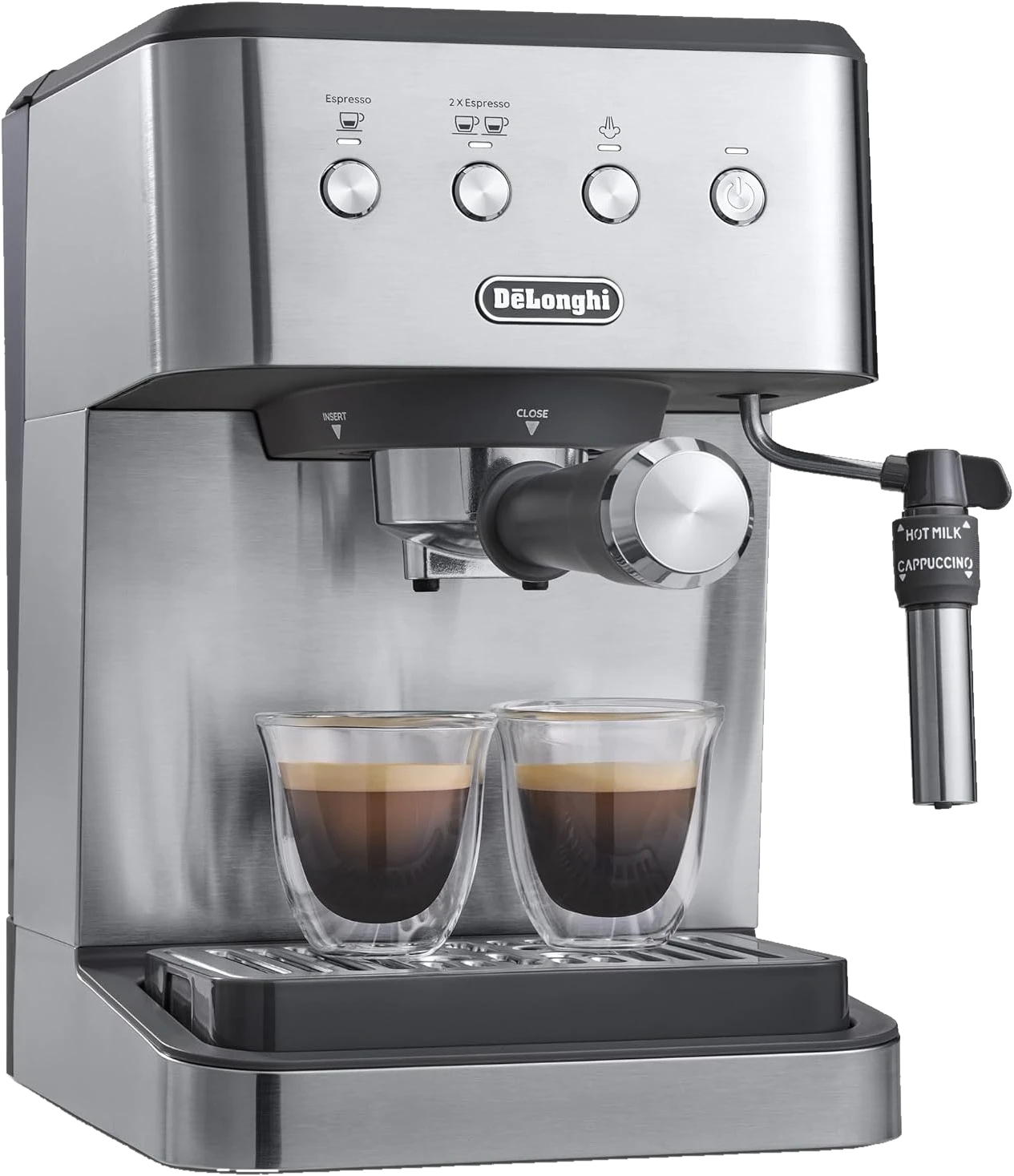
De'Longhi Classic

★ Our top pick

De'Longhi Classic

Easiest Milk · Around $130

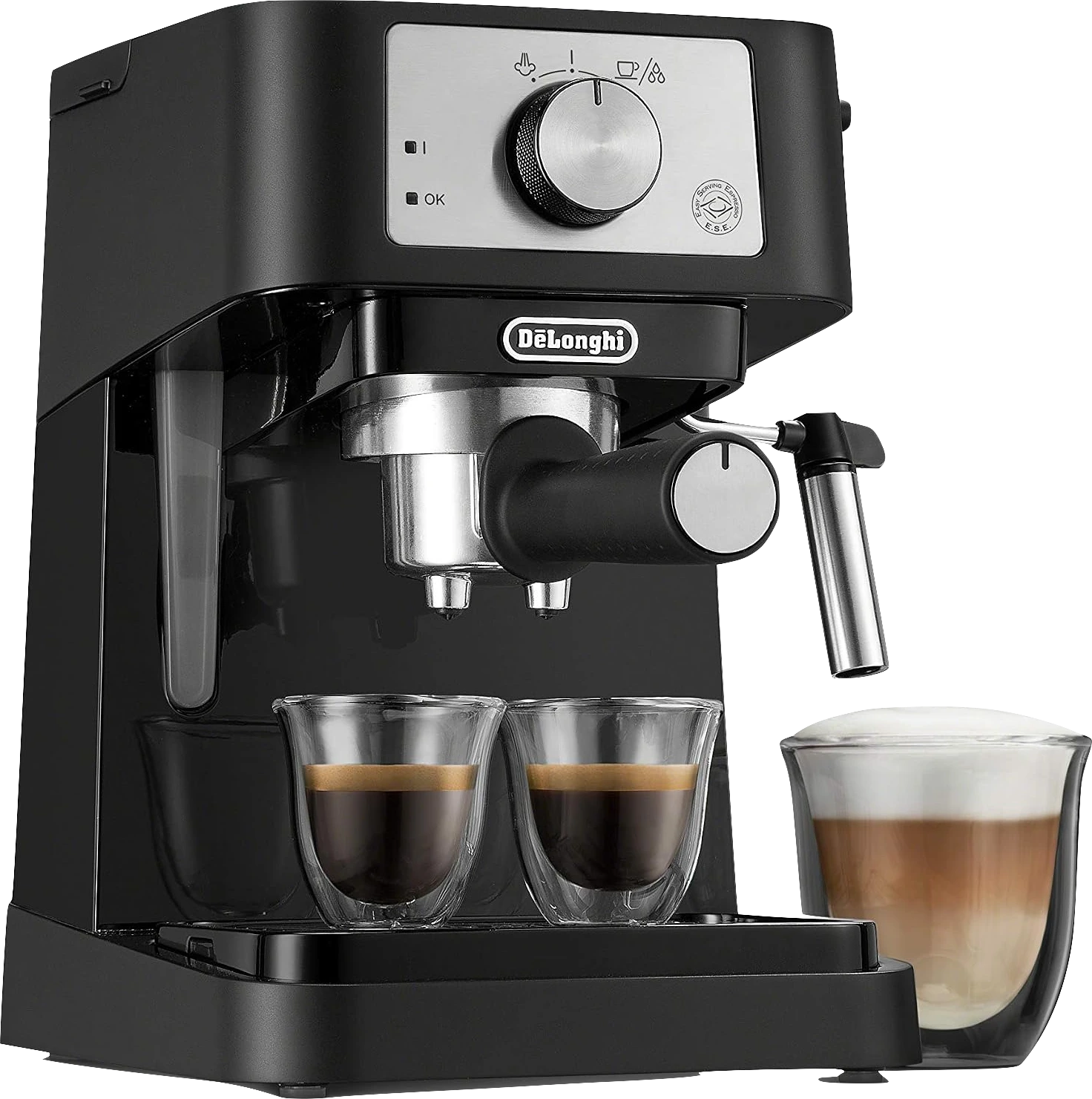
Milk made easy: a frothing sleeve with a switch for hot milk or cappuccino foam, and single and double shots that stop themselves.

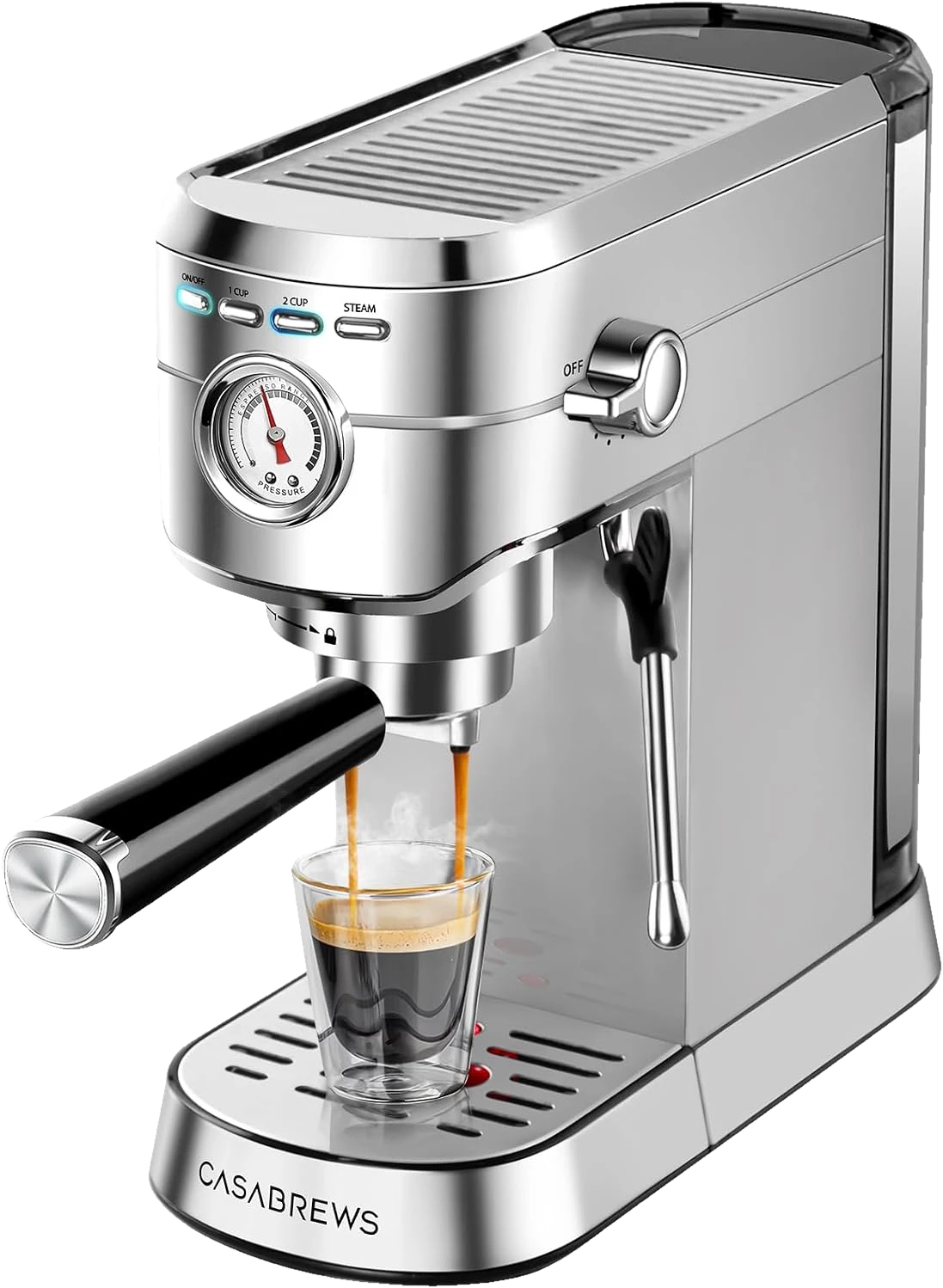
CASABREWS CM5418

Best for Learning

CASABREWS CM5418

Around $110

The cheapest machine here with a pressure gauge on the front, which shows you why a shot ran fast or slow instead of leaving you to guess.

De'Longhi Stilosa

Nothing to Set

De'Longhi Stilosa

Around $150

Real espresso with nothing to set: one dial, two lights, a 15-bar pump, a stainless boiler and a manual steam wand.

Under $200 buys the latte you make yourself before work: a pump machine with a portafilter you fill and tamp and a steam wand for the milk, the same routine as a café bar at one group head instead of two. Every pick here is that. None is a pod machine, and none is a steam-only maker sold as espresso.

What the budget takes away is the help. None of these lists PID temperature control or a three-second heat-up; that starts with the espresso machines under $300. What’s left to choose is how much the machine does for you. The De’Longhi Classic foams the milk and stops the shot itself. The CASABREWS CM5418 shows you the pressure, so you can see why a shot ran wrong and fix it. The De’Longhi Stilosa does neither, and has nothing to set.

Lattes from the first morning

De'Longhi Classic

De'Longhi

De'Longhi Classic

7.9/ 10
Steam wand
Frothing sleeve
Heater
Thermoblock
Stands out
Hot milk / foam switch
Width
9 in

Why we love it

The Classic is for someone who wants a latte without learning a steam wand. The wand wears a frothing sleeve with two settings — hot milk for a latte, cappuccino for a stiffer foam — so the sleeve does the aerating that a bare wand leaves to your hand. That makes a cap of foam much easier to get right, and it's the trade: the sleeve won't make the glossy microfoam latte art needs. The shot side is a straightforward semi-automatic — fill, tamp, press single or double — with a Thermoblock heater and a pump that extracts at 9 bars and stops at a preset dose you can adjust. It's wider and boxier than the Dedica line.

Pros

  • Frothing sleeve switches between hot milk and cappuccino foam
  • Single and double presets stop the shot for you, and are adjustable
  • Thermoblock heater is ready quickly
  • Simple button panel, no display

Cons

  • Sleeve makes airy foam, not latte-art microfoam
  • Wider and boxier than the Dedica machines
  • De'Longhi doesn't publish how long it takes to switch from steam back to brewing
Learning to pull a better shot

CASABREWS CM5418

CASABREWS

CASABREWS CM5418

7.6/ 10
Steam wand
Manual
Heater
Boiler
Stands out
Pressure gauge
Width
5.9 in

Why we love it

The gauge is the reason to buy it. A beginner's shot fails for one of two reasons — the grind is too coarse and the water rushes through, or too fine and it chokes — and a needle that sits low or pins high tells you which, shot by shot. That is feedback a $150 machine doesn't give you. It ships with one- and two-cup baskets, a portafilter and a tamper, and has a real steam wand rather than a sleeve. The catch is written into its own listing: brew straight after steaming and it trips overheating protection, so you pull the shot first and steam second, or wait for it to cool. The 20-bar figure on the box is what the pump can reach, not what the coffee sees: espresso brews at around 9 bars, and the gauge is how you'll know where this one sits.

Pros

  • Pressure gauge shows whether the grind is too coarse or too fine
  • Real steam wand, not a frothing sleeve
  • One- and two-cup baskets and a tamper in the box
  • Narrow stainless body

Cons

  • Brew right after steaming and it trips overheating protection
  • Lesser-known brand with a shorter service record than De'Longhi or Breville
  • The 20-bar headline is a pump rating, not what reaches the coffee

Nothing to set

De'Longhi Stilosa

De'Longhi

De'Longhi Stilosa

7.8/ 10
Steam wand
Manual
Heater
Boiler
Width
8.07 in

Why we love it

At around $150, the Stilosa is the floor for a real espresso machine. It has a 15-bar pump, a stainless steel boiler, and a manual steam wand — everything you need to make actual espresso, not just strong coffee. There's no screen, no menus, no complexity — just a dial and two lights. The pressurized baskets mean you can use pre-ground coffee and still get decent crema. It's not going to compete with machines costing 3x more, but it does exactly what it promises: it makes real espresso, it teaches you the basics, and it costs less than a month of coffee shop visits. The perfect first machine for anyone who isn't sure they want to commit yet.

Pros

  • Simple dial control — no learning curve for the machine itself
  • Stainless steel boiler for durability
  • Compact and lightweight — easy to store or move
  • Pressurized baskets work well with pre-ground coffee

Cons

  • Basic steam wand produces decent but not silky foam
  • No PID — temperature consistency isn't as tight
  • Lightweight portafilter with a plastic handle feels cheap compared to pricier machines
  • Small 1-liter water tank

Start with pre-ground, buy the grinder second

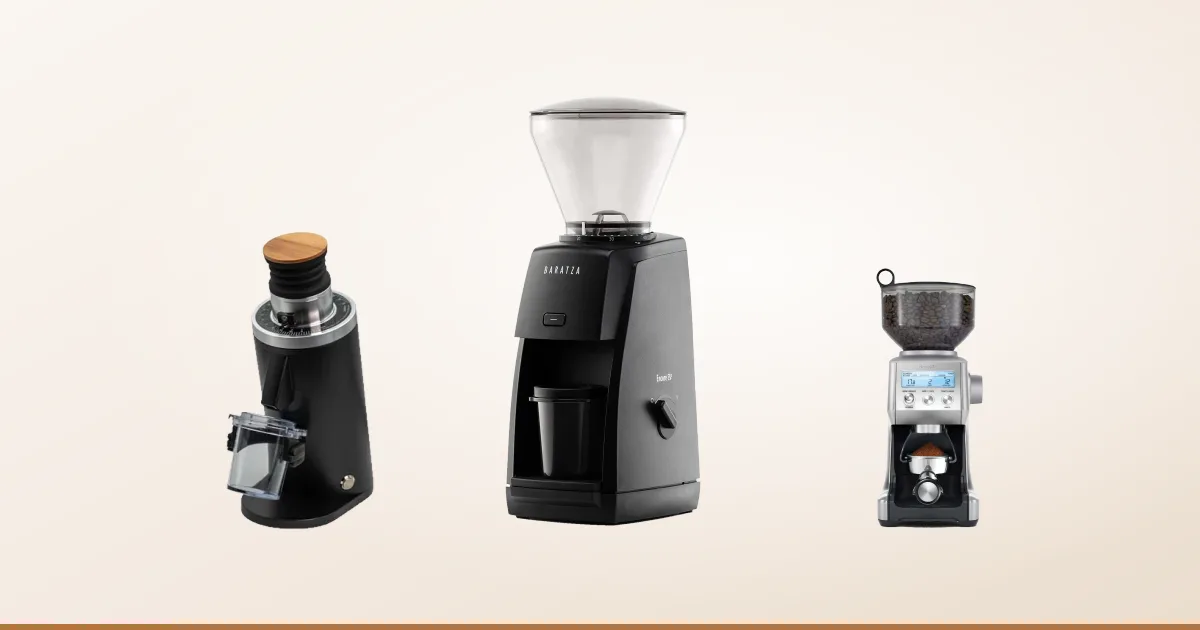
An electric grinder that goes fine enough for espresso costs about what these machines do, so most first setups start on pre-ground espresso coffee, and in a latte the milk forgives a lot. When sour or watery shots start to bother you, the grinder is the upgrade that changes the cup most, and the espresso grinder guide covers which ones hold an espresso setting.

Room for a little more?

The Breville Bambino adds PID temperature control, a three-second heat-up and a wand that makes latte-art microfoam, and the De’Longhi Dedica Duo adds a cold brew button. Both list above this budget, and the Duo dips under it on sale. Both are picks on the espresso machines under $300.

How we chose these

Every machine here has a portafilter you fill yourself, an electric pump and a steam wand or frothing sleeve on the machine, and lists under $200 without needing a sale. Ranked on how soon each gets you to a drink you like: whether the milk system makes foam without practice, whether the shot stops on its own, and what the machine tells you when a shot goes wrong. Specs come from each Amazon listing and the maker’s own page, and where a maker doesn’t state something, the copy says so. Prices come from Amazon and are updated regularly; the current price is always on Amazon.

What to know before you buy

What’s the best espresso machine under $200?

The De’Longhi Classic at $130. Its frothing sleeve has a switch for hot latte milk or stiffer cappuccino foam, so the milk comes out right without learning a wand, and its single and double buttons stop the shot at a dose you can adjust. If you’d rather learn the wand and pour latte art, the CASABREWS CM5418 has a bare steam wand and a pressure gauge that shows whether your grind is too coarse or too fine.

Is a cheap espresso machine worth it?

Yes, if it has a pump and a portafilter. A pump machine forces hot water through a puck of fine coffee at espresso pressure, and that is what makes espresso, at any price. What a cheap one costs you is consistency: no PID holding the water temperature, a wait between steaming and the next shot, and lighter parts. In a latte or cappuccino the milk hides most of that. The ones not worth buying are steam-only makers sold as espresso machines: they push boiling water through the coffee at a fraction of the pressure and make strong coffee, not espresso.

Is there an espresso machine with a grinder under $200?

Not one we’d recommend. An electric grinder that holds an espresso setting costs about what these machines do on its own, so a machine and a grinder in one box at this price cuts corners on both. Start on pre-ground espresso coffee: the Stilosa ships with pressurized baskets made for it, and in a milk drink the difference is small. When you want better shots, buy the grinder separately; the espresso grinder guide covers which ones go fine enough, and the machine and grinder pairings show what the two cost together.

Is a 20-bar espresso machine better than a 15-bar one?

No. The figure on the box is what the pump can reach, not what the coffee sees: espresso brews at around 9 bars, and the puck of coffee decides how much pressure builds against it. So the Stilosa’s 15-bar pump and the CASABREWS’s 20-bar pump aren’t a ranking. A gauge tells you more than the rating does, and the CASABREWS has one; De’Longhi states the Classic’s extraction pressure, 9 bars.

Should I get a frothing sleeve or a steam wand?

A sleeve if you want foam without practice, a wand if you want latte art. A frothing sleeve, like the Classic’s, draws the air into the milk for you, so a cappuccino cap comes out right the first time; the trade is airy foam rather than the glossy microfoam you can pour a heart with. A bare wand, like the CASABREWS’s and the Stilosa’s, leaves the air to your hand: a few weeks of practice, then milk a café would serve. Iced drinks skip both: pour a double shot over ice and top it with cold milk.

Is the Breville Bambino worth spending more on?

If you’ll make milk drinks most mornings, yes. At $300, the Bambino adds PID temperature control, a three-second heat-up and a wand that makes real microfoam, which is the step every machine on this page stops short of. It leads our espresso machines under $300.

Bottom line

Buy the De’Longhi Classic at $130: foam at the flip of a switch and shots that stop themselves, so the first latte you make is one you’ll want to drink. If you want to learn the craft, the CASABREWS CM5418’s gauge shows you what every shot did. And if you want one dial and a steam wand, the De’Longhi Stilosa is exactly that.

Related guides

Stay in the loop

New gear reviews, brew tips, and the occasional deal — straight to your inbox. No spam, ever.

Just your email, nothing else. Privacy