About 5 minutesHot water to the valveMedium heatOff at the gurgle
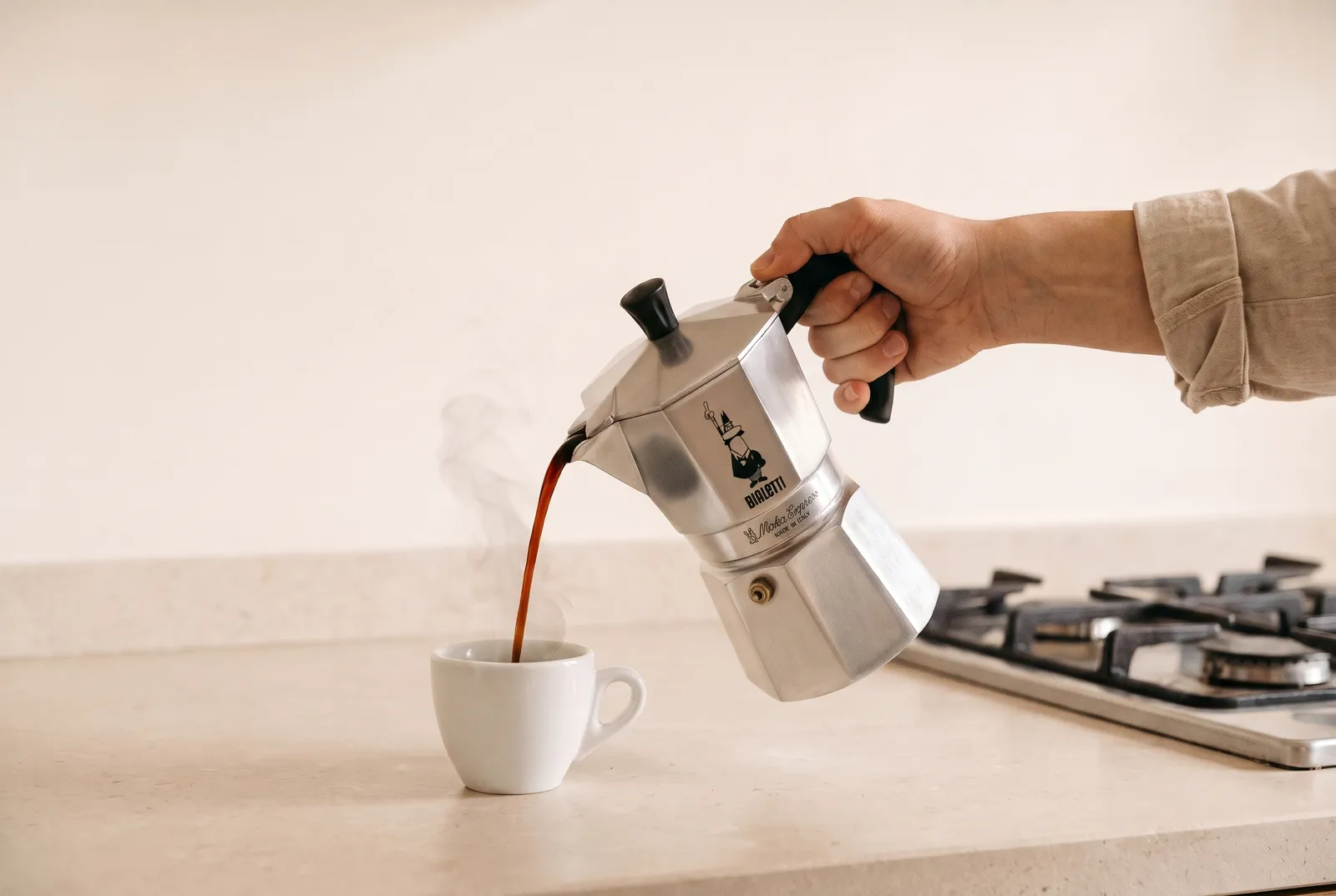
Five minutes after you put the kettle on, you're pouring a short, dark, sweet coffee from the stove: strong enough to stand in for espresso under hot milk, and with nothing to plug in. Getting it sweet rather than bitter comes down to two habits, starting with hot water and taking the pot off the heat at the first gurgle. The steps below build both in.
How to use a moka pot, step by step
1Start with hot water. Boil the kettle and pour the water into the bottom chamber. The pot then spends a minute or two on the stove instead of five, so the coffee in the basket doesn't bake before the water reaches it, which is the main cause of a bitter moka pot. Cold water works too; it just takes longer and tastes harsher.
2Fill to the valve. Fill the bottom chamber up to just below the safety valve, the small brass or steel nub on its side. Never above it: the valve is what lets out steam if the pot ever blocks.
3Fill the basket, don't press. Set the funnel basket in and fill it with ground coffee to the brim, then level it off with a finger. Don't tamp it the way you would espresso: packed coffee chokes the flow and the pot sputters or stalls.
4Wipe the rim and screw it shut. Brush any grounds off the rim so the gasket seals, then screw the top on firmly. The bottom is hot if you used hot water, so hold it with a towel and turn the top, not the handle.
5Medium heat, lid open. Set it on medium or medium-low heat with the lid up so you can watch. In a minute or two coffee starts to rise from the spout in a steady, honey-colored stream.
6Take it off at the gurgle. When the stream turns pale and the pot starts to gurgle and sputter, take it off the heat. That last part is steam pushing through spent coffee and only adds bitterness. Run the bottom under cold water to stop it at once, stir the coffee in the top chamber, and pour.
Fill the basket, every time. A moka pot brews one strength, set by its basket. For less coffee, use a smaller pot; for weaker coffee, add hot water to the cup afterward.
On gas, electric and induction
Gas. Keep the flame under the base; flames up the sides heat the handle and scorch the outside without brewing any faster.
Electric and glass top. Use a burner close to the base's size, at medium. The burner stays hot after you switch it off, so lift the pot off at the gurgle.
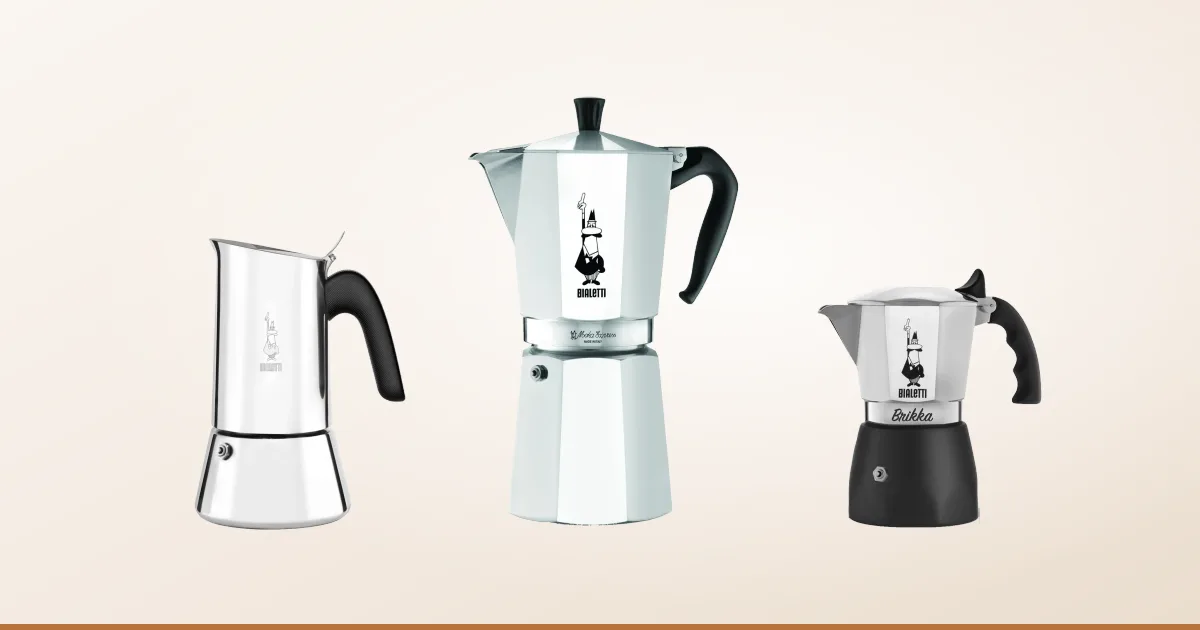
Induction. Aluminum pots, the classic Moka Express included, don't heat on induction by themselves. Use a stainless pot made for it, like the Bialetti Venus below, or Bialetti's adapter plate under an aluminum one. Every pot by stove is in our best moka pots guide.
When it goes wrong
Why is my moka pot coffee bitter?
Almost always too much heat for too long. The coffee in the basket cooks while cold water slowly heats, and the gurgle at the end pushes steam through spent grounds. Start with hot water, use medium heat, take the pot off at the first gurgle and cool the base under the tap. If it's still bitter, grind a touch coarser or try a lighter roast.
Why is my moka pot coffee weak or watery?
Too little coffee or too coarse a grind. The basket is the measure: fill it to the brim and level it, every time. Grind finer than drip, a little coarser than espresso; pre-ground drip coffee is too coarse for a moka pot and brews thin.
Why is my moka pot leaking?
Coffee or steam escaping around the middle means the seal isn't holding: grounds on the rim, a top that isn't screwed on tight, or a worn rubber gasket. Wipe the rim, tighten it, and if it still leaks, replace the gasket, which wears out with use. Water above the safety valve can leak too, so fill only to just below it.
Why is my moka pot taking so long, or not brewing?
Either the heat is too low or the coffee is blocking the water. Coffee ground as fine as espresso, or pressed into the basket, can stall the pot; use a slightly coarser grind and level it without pressing. Starting with hot water and medium heat brings the first coffee up in a minute or two.
Why is my moka pot sputtering or spitting?
Sputtering at the end is normal: the water is nearly gone and steam is pushing through. That's the signal to take it off the heat. Sputtering from the start means the heat is too high, so turn it down; coffee should rise in a steady stream, not spray.
Why is there water left in my moka pot?
A little water always stays below the bottom of the funnel, where the pressure can't push it up; that's normal. A lot left over usually means you took it off early, or the coffee was too fine or pressed and blocked the flow.
The pot to learn on
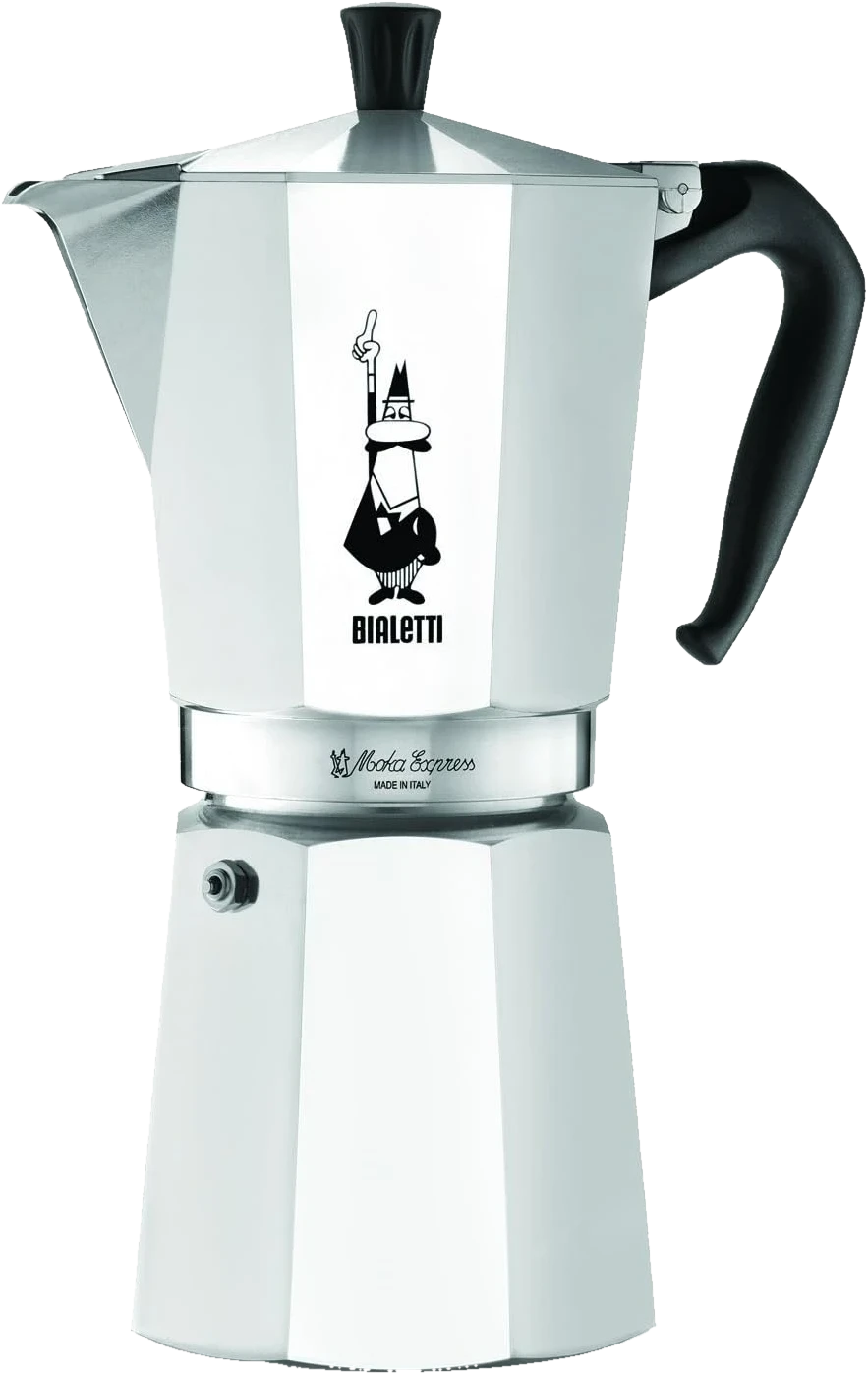
Every step above was written around the original: the Moka Express is the pot the instructions everywhere assume, and the one to start with on gas or electric.
This is the pot the whole category copies. Water goes in the bottom up to the safety valve, ground coffee in the basket, loosely, with no tamping, and the stove does the rest: steam pressure pushes the water up through the grounds, and when it starts to gurgle you turn off the heat and pour. What comes out is short, strong and dark, closer to espresso than to drip, and it makes a good base for a latte or an Americano. It's aluminum, the same eight-sided body Bialetti has made in Italy since 1933, which heats fast and evenly on gas and electric. The care is the part to know before you buy: rinse it with water only, no soap and no dishwasher, which Bialetti says damages the pot and the taste. Induction needs Bialetti's adapter plate. The 6-cup makes about 9 oz, six espresso cups, two or three people's worth.
Pros
The original design, made in Italy, with a patented safety valve
Strong, espresso-style coffee for lattes and Americanos, no machine needed
About 9 oz from the 6-cup, six espresso cups
No filters, no power, nothing to wear out but a gasket
Aluminum heats fast and evenly on gas and electric
Cons
Rinse with water only: no soap, no dishwasher
Induction needs Bialetti's adapter plate
Brews a full pot every time: fill it to the valve, or the coffee comes out wrong
The handle is the part owners most often report breaking
It's strong, espresso-style coffee, not true espresso or crema
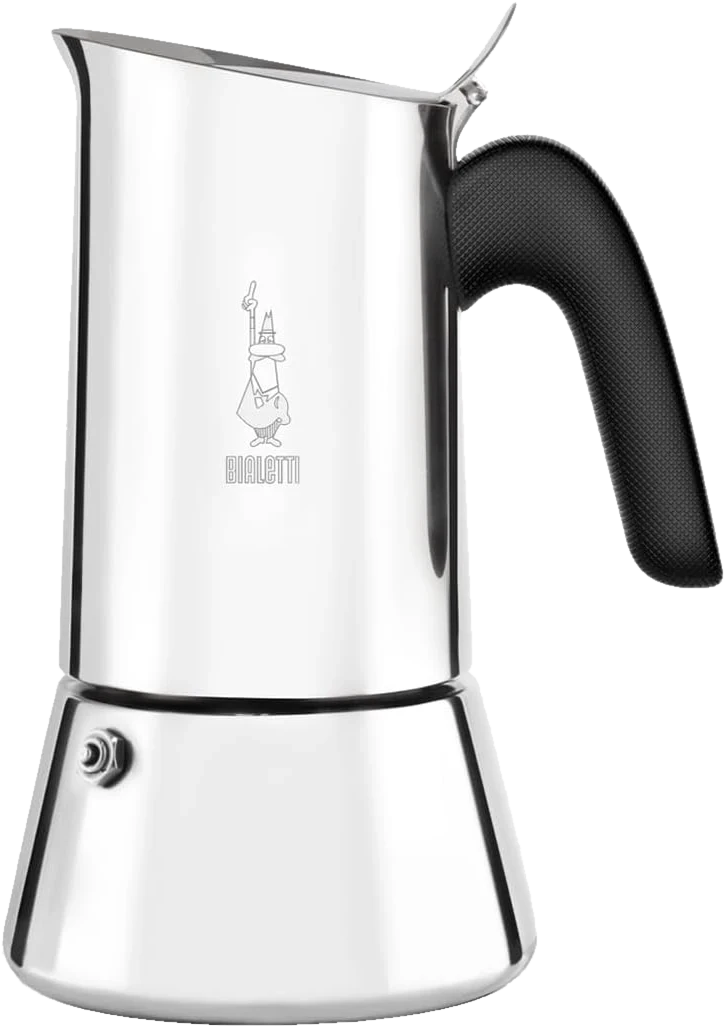
On an induction cooktop, the same steps work in stainless steel, with no adapter plate.
The Venus is the moka pot for an induction kitchen. It's 18/10 stainless steel rather than aluminum, so it works on induction with no adapter plate, as well as gas and electric, and there's no aluminum anywhere the coffee touches. The brew is the classic one: water in the bottom, grounds in the basket, heat until it gurgles, pour. The rounded, polished body looks like a piece of cookware rather than a camp pot. Stainless heats a little slower than aluminum. Care is the same as every Bialetti: rinse with water only, no detergent and no dishwasher. The 6-cup makes about 8 oz, six espresso cups.
Pros
Works on induction as well as gas and electric, no adapter plate
18/10 stainless steel: no aluminum in the pot
Polished, rounded body that looks like good cookware
About 8 oz from the 6-cup, six espresso cups
Cons
Rinse with water only: no soap, no dishwasher
Stainless heats more slowly than an aluminum pot
Some owners report corrosion despite the stainless steel
Common questions
How do you use a moka pot?
Fill the bottom chamber with hot water up to just below the safety valve, fill the basket with ground coffee and level it without pressing, screw the top on tight, and set it on medium heat with the lid open. When the coffee stream turns pale and the pot gurgles, take it off the heat, cool the base under cold water, stir and pour. Start to finish, about five minutes.
How much coffee goes in a moka pot?
As much as the basket holds, filled to the brim and leveled, not heaped and not pressed. The basket is sized for the pot, so it's the measure: a moka pot isn't meant to brew a half batch. For less coffee, buy a smaller pot.
What grind do you use for a moka pot?
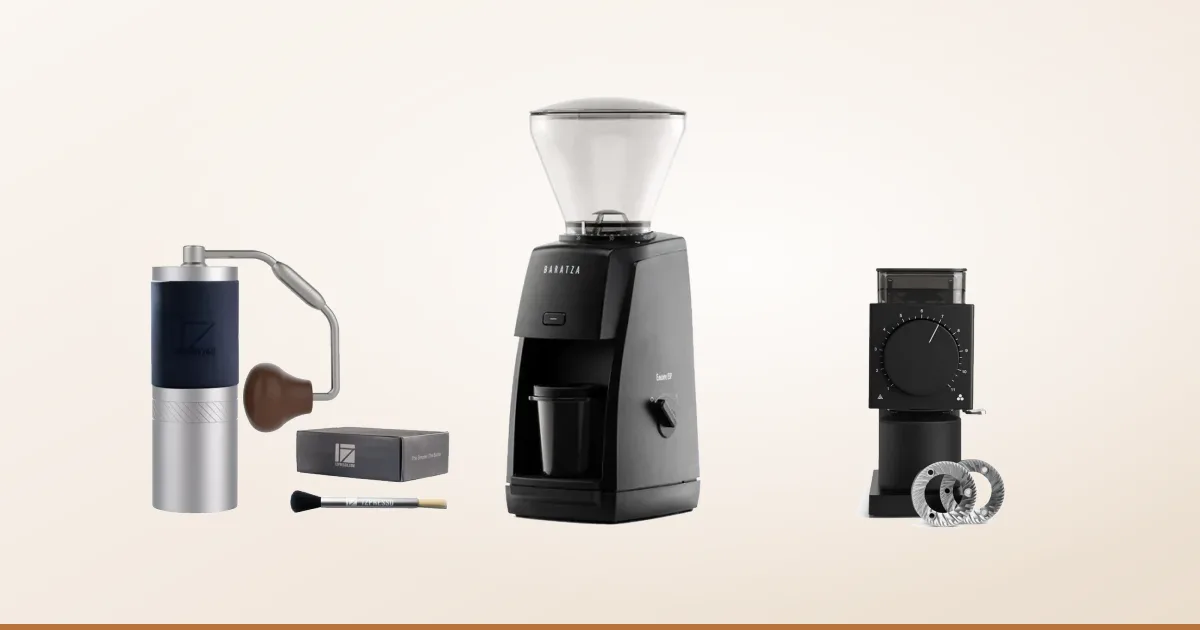
Fine, a little coarser than espresso and much finer than drip, about like table salt. Too fine and the pot stalls and turns bitter; too coarse and it brews thin. Pre-ground espresso coffee works in a pinch. A burr grinder that holds a fine setting is the upgrade: see our grinder picks.
How do you use a moka pot on an induction stove?
Use a stainless steel pot made for induction, like the Bialetti Venus, and brew exactly as on gas. An aluminum pot like the Bialetti Moka Express won't heat on induction by itself; Bialetti sells an adapter plate that sits on the cooktop and heats it.
How do you use a moka pot on an electric or glass-top stove?
The same way as on gas, on a burner close to the size of the pot's base, at medium heat. Electric burners hold heat after you turn them off, so lift the pot off the burner at the gurgle rather than just switching it off.
How do you use a moka pot for the first time?
Rinse every part with water, then brew a pot and pour it away: it rinses out the pot and seats the gasket. After that, brew as normal. Clean it with water only: Bialetti says no soap and no dishwasher, which damage the pot and the taste.
Why is my moka pot coffee bitter?
Almost always too much heat for too long. The coffee in the basket cooks while cold water slowly heats, and the gurgle at the end pushes steam through spent grounds. Start with hot water, use medium heat, take the pot off at the first gurgle and cool the base under the tap. If it's still bitter, grind a touch coarser or try a lighter roast.
Why is my moka pot coffee weak or watery?
Too little coffee or too coarse a grind. The basket is the measure: fill it to the brim and level it, every time. Grind finer than drip, a little coarser than espresso; pre-ground drip coffee is too coarse for a moka pot and brews thin.
Why is my moka pot leaking?
Coffee or steam escaping around the middle means the seal isn't holding: grounds on the rim, a top that isn't screwed on tight, or a worn rubber gasket. Wipe the rim, tighten it, and if it still leaks, replace the gasket, which wears out with use. Water above the safety valve can leak too, so fill only to just below it.
Why is my moka pot taking so long, or not brewing?
Either the heat is too low or the coffee is blocking the water. Coffee ground as fine as espresso, or pressed into the basket, can stall the pot; use a slightly coarser grind and level it without pressing. Starting with hot water and medium heat brings the first coffee up in a minute or two.
Why is my moka pot sputtering or spitting?
Sputtering at the end is normal: the water is nearly gone and steam is pushing through. That's the signal to take it off the heat. Sputtering from the start means the heat is too high, so turn it down; coffee should rise in a steady stream, not spray.
Why is there water left in my moka pot?
A little water always stays below the bottom of the funnel, where the pressure can't push it up; that's normal. A lot left over usually means you took it off early, or the coffee was too fine or pressed and blocked the flow.