GuidesBrowseComparisons

Guide

Coffee to Water Ratio

How much coffee for the water you're brewing, for drip, pour over, French press, AeroPress and cold brew, with a calculator.

By Dana WhitfieldUpdated November 2026

The cup you'd order again and the one that tastes flat can come from the same beans and the same machine. Usually the difference is how much coffee went in for the water. Put in your water and your method, and you get the coffee to weigh out.

How are you brewing?

What are you making?
Fine-tune the water8 oz
How strong do you like it?
2level tablespoons
10 gon a scale
Mediumlike kosher salt

Ratios by brew method

Starting points, with what one 12 oz mug takes in level tablespoons and grams. Cold brew is the ready-to-drink strength. Start at the ratio, taste, then move one step toward the stronger or lighter end.

MethodStart at12 oz mugGrind
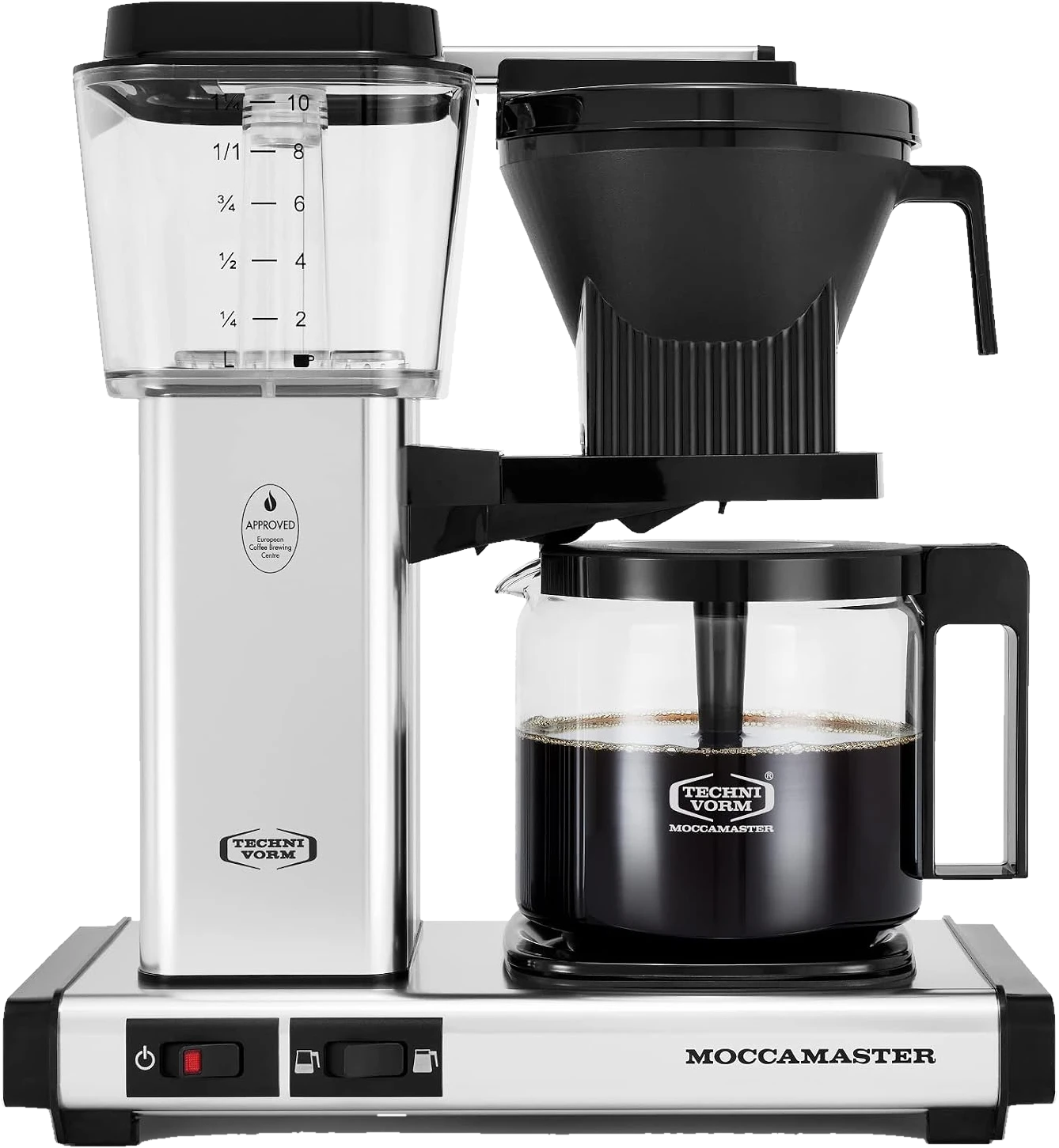
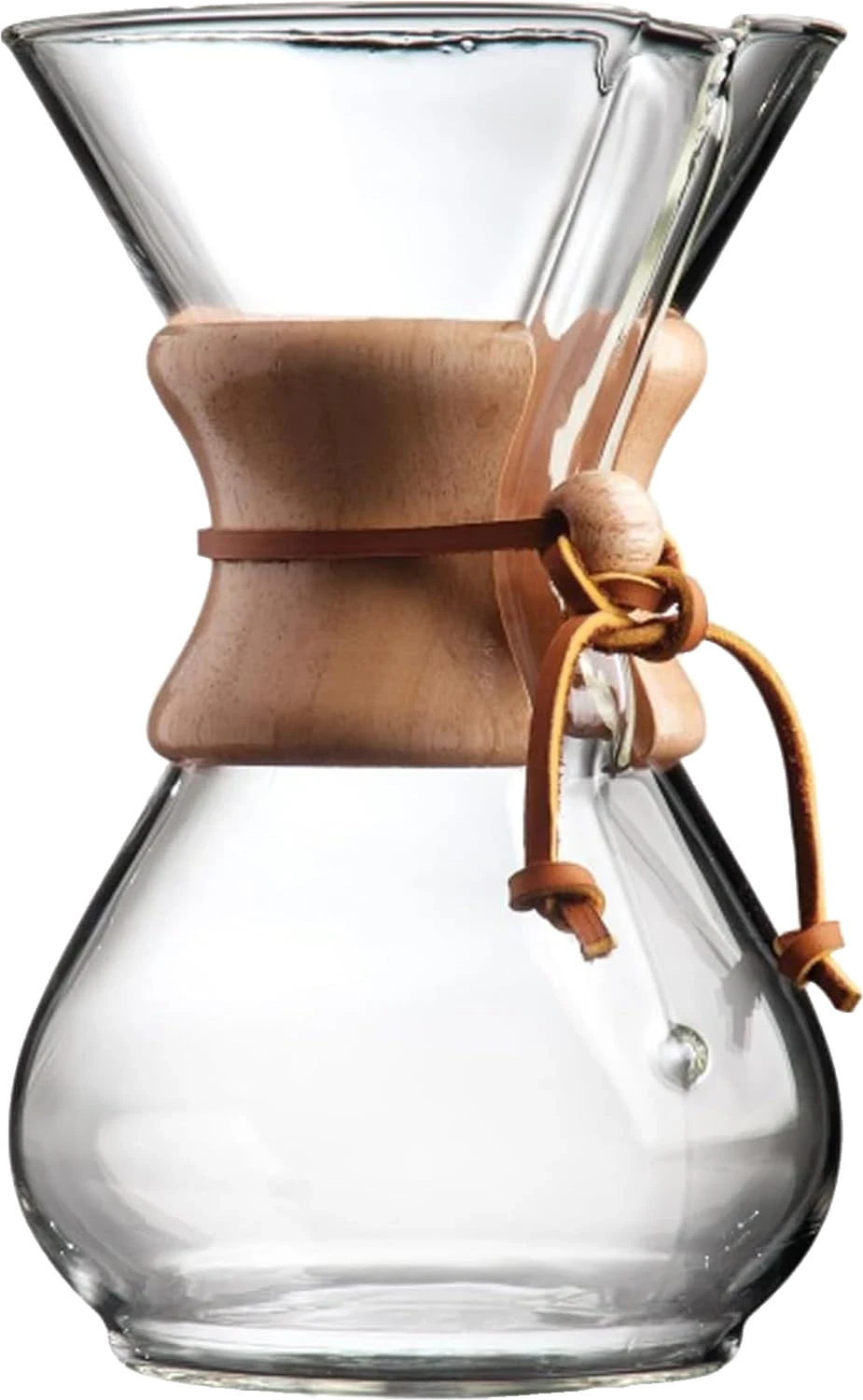
Drip coffee maker1:243 tbsp 15 gMedium
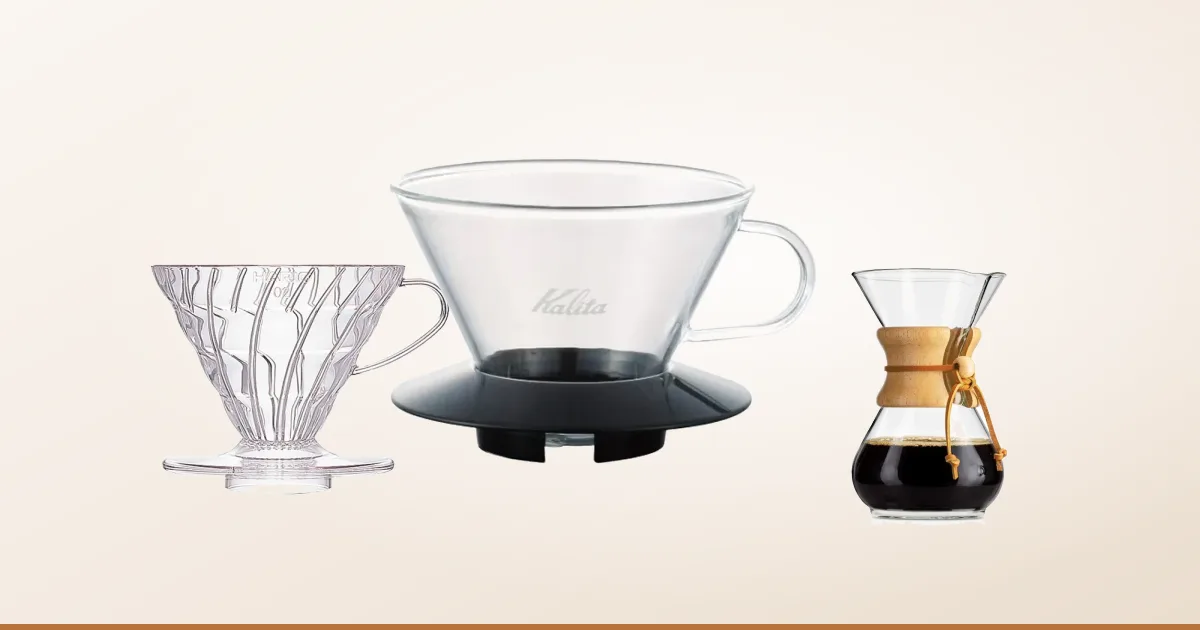
Pour over1:164.5 tbsp 22 gMedium
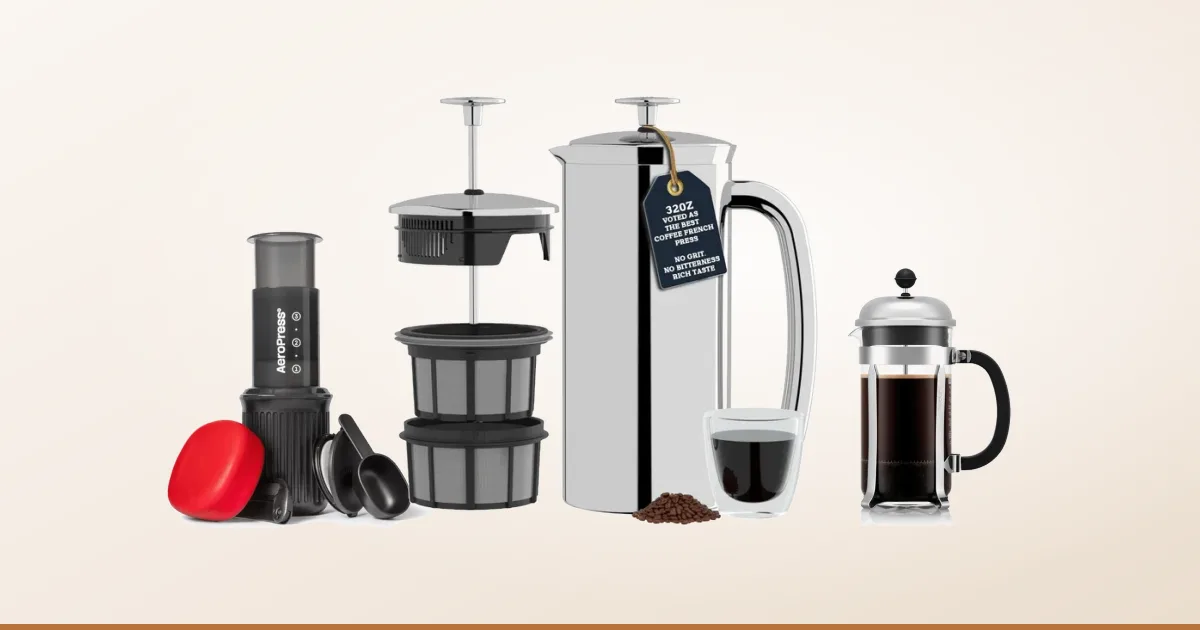
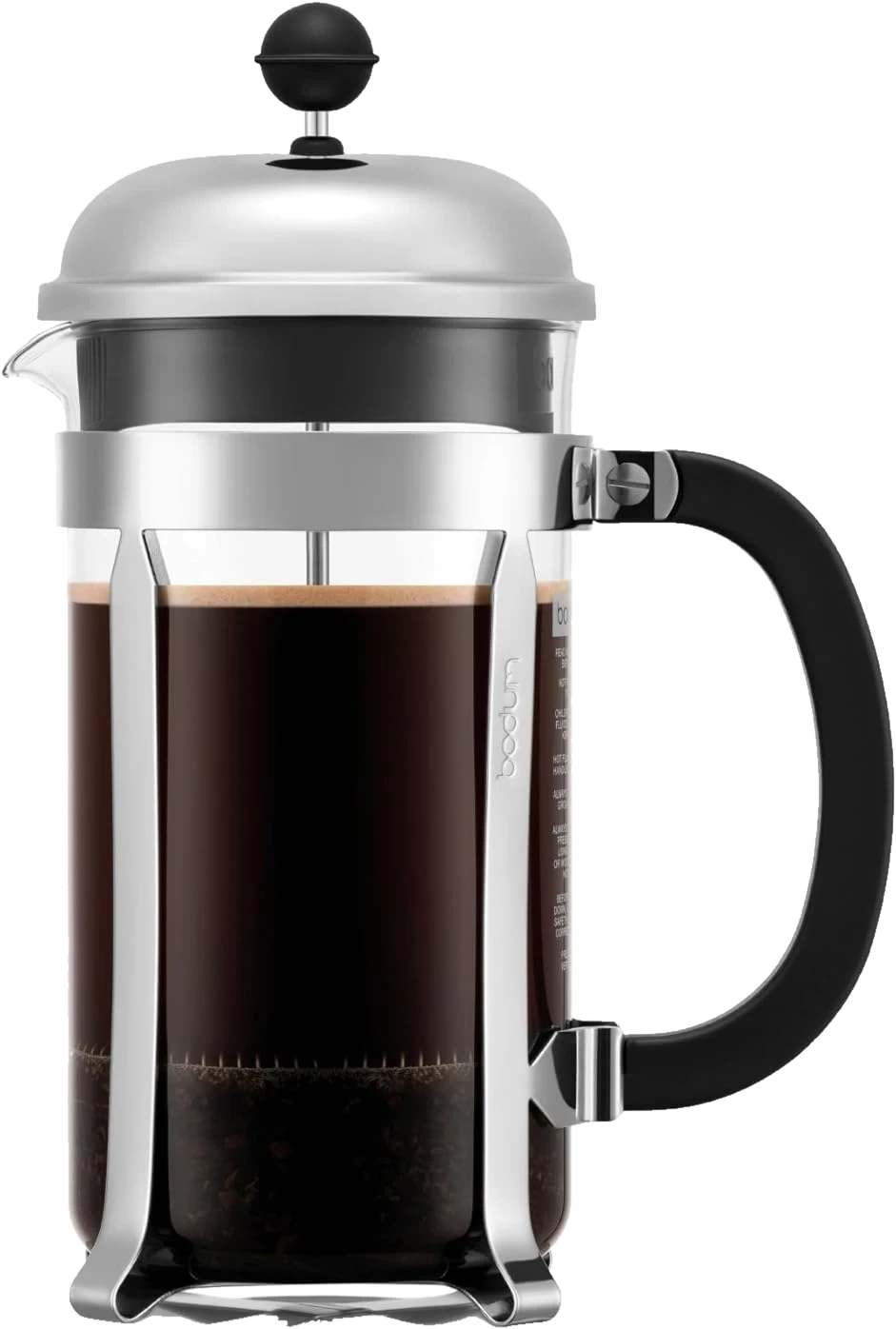
French press1:154.5 tbsp 24 gCoarse
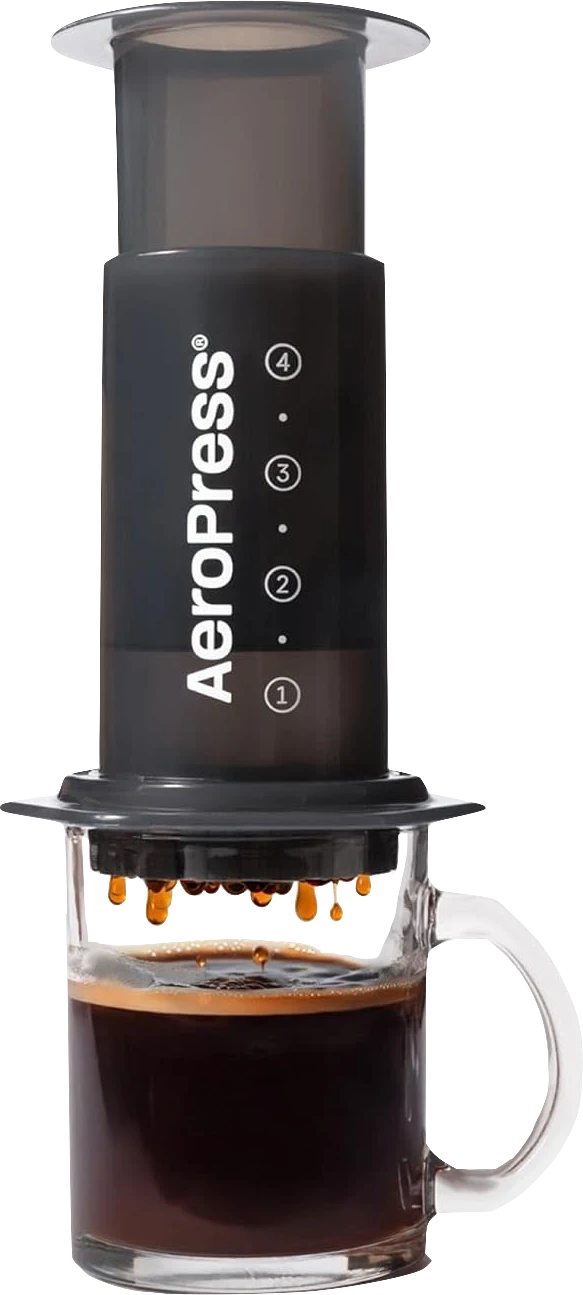
AeroPress1:154.5 tbsp 24 gMedium-fine
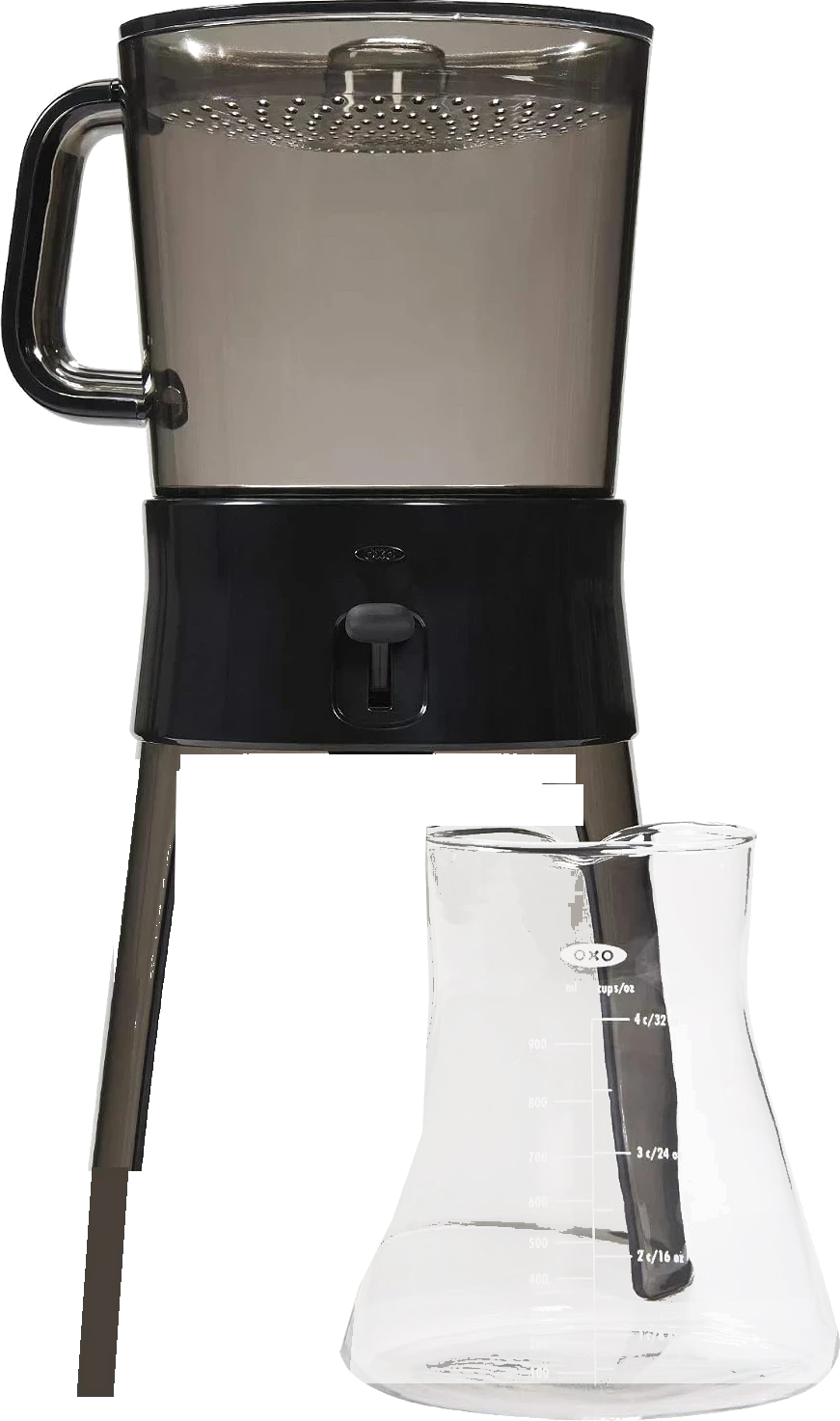
Cold brew1:89 tbsp 44 gCoarse
Espresso1:218 g in, 36 g outFine

The Specialty Coffee Association's Golden Cup standard is 55 g of coffee per liter of water, give or take 10%: about 1:16.5 to 1:20, which is where pour over, French press and AeroPress start. Drip starts where coffee maker charts do, lighter, with the Golden Cup as its strong end.

How much coffee per cup?

First, which cup. Three different ones get called a “cup”, and the carafe's is the smallest, so “10 cups” can be well under ten mugs. Measure the water itself and the ratio does the rest.

8 ozMeasuring cup
6 ozRule-of-thumb cup
4–6.8 ozCarafe cup

1 level tablespoon ≈ 5 g of ground coffee. The National Coffee Association's rule of thumb is 1 to 2 tablespoons per 6 oz of water; at 2 that's about 1:18, close to the SCA standard. Spoons vary with the grind, so the same scoop gives a different cup from bag to bag.

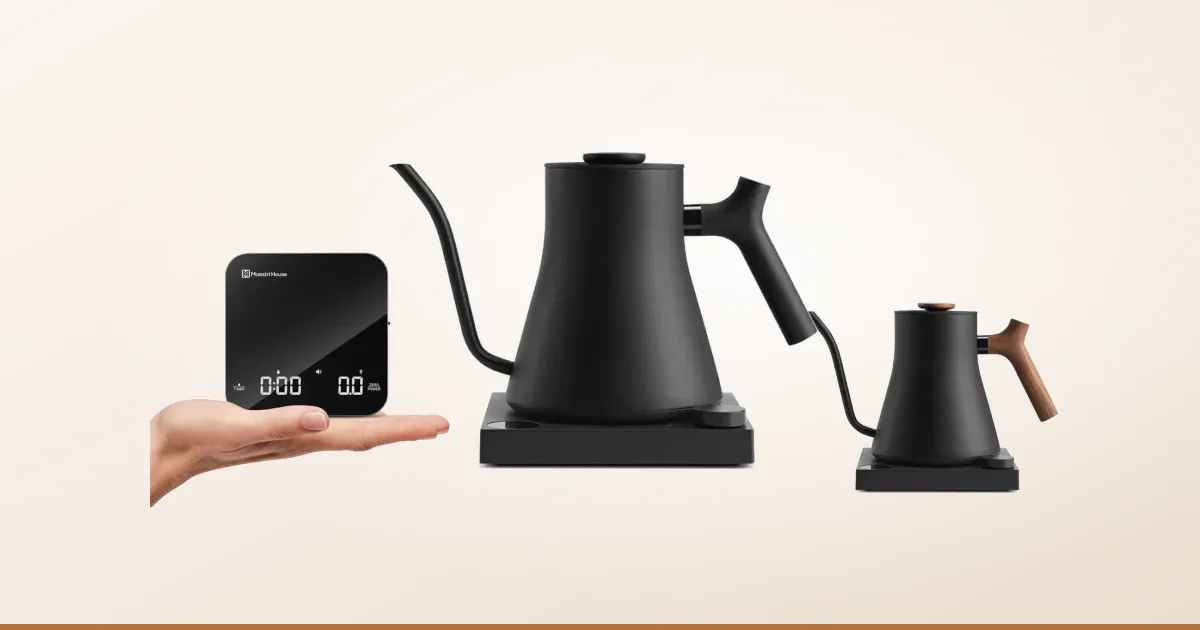
Weigh it once, and every pot comes out the same

Once a pot tastes right, a scale lets you make it again tomorrow, and anyone in the house can. A big mug of pour over at 1:16, in three steps:

  1. 1Set the brewer on the scale and tare it
  2. 2Grind in 22 g of coffee
  3. 3Tare, then pour to 355 g of water
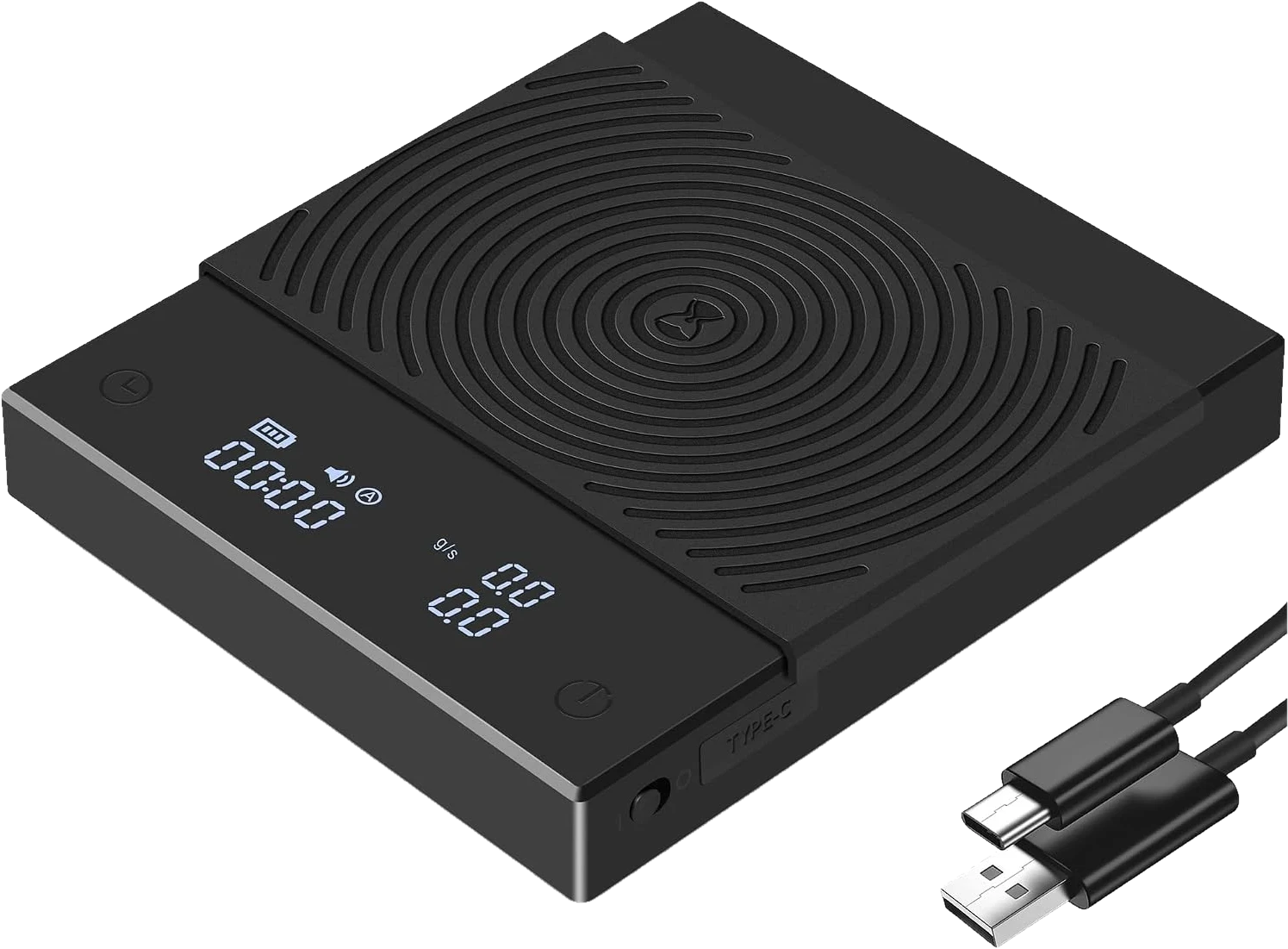
Best Value Scale
Reads to
0.1 g
Weighs up to
2 kg
Power
USB-C rechargeable
Stands out
Flow rate, auto timer

Why we love it

The Timemore Black Mirror does everything most coffee brewers need at a price that doesn't sting. It weighs to 0.1g precision, has a built-in timer with auto-start, shows real-time flow rate, and charges via USB-C. The hidden LED display looks slick — it only appears when the scale is on — and the included silicone heat pad protects it from hot vessels. It's responsive enough for espresso and spacious enough for pour over. For 90% of home brewers, there's zero reason to spend more.

Pros

  • 0.1g precision with 2kg max capacity
  • Built-in timer with auto-start on weight detection
  • Real-time flow rate display
  • USB-C rechargeable, up to 10 hours a charge per Timemore
  • LED display hidden in the top, invisible when the scale is off

Cons

  • No Bluetooth or app connectivity
  • Auto-off after 3 minutes can be annoying
  • Silicone pad is essential (scale is sensitive to heat)
  • Display can be hard to read at certain angles
Fix the cup: ratio or grind?

  • —Weak and watery: More coffee: move one step stronger, say 1:16 to 1:15.
  • —Heavy and too strong: Less coffee: move one step lighter.
  • —Sour or thin, but strong enough: Not the ratio. Grind finer or brew a little longer.
  • —Bitter or harsh: Grind coarser or brew shorter before changing the ratio.

Change one thing at a time. The ratio sets how strong the cup is; the grind and the time decide whether it tastes sour, sweet or bitter.

Common questions

What is the best coffee to water ratio?

It depends on how you brew. For pour over, start at 1:16: 1 gram of coffee for every 16 grams of water, the specialty standard. For a drip machine, start at 1:24, the middle of what coffee maker charts recommend, and go to 1:18 for the Specialty Coffee Association's Golden Cup strength. Then adjust by taste, one step at a time.

How much coffee per cup of water?

For an 8 oz cup, about 10 grams, or 2 level tablespoons, at 1:24. The National Coffee Association's rule of thumb is 1 to 2 tablespoons per 6 ounces. Check which cup you mean: on the drip machines we cover, a "cup" on the carafe is 4 to 6.8 oz, not 8.

What is the coffee to water ratio for a French press?

1:15, with a coarse grind: about 67 grams of coffee for a 34 oz (1 liter) press. Try 1:12 if you like it heavy. Steep four minutes, press, and pour it all off so it stops brewing.

What is the coffee to water ratio for cold brew?

1:8 to drink straight, coarse ground and steeped 12 to 18 hours in the fridge. At 1:5 you get a concentrate to cut with water or milk, about half and half. See our cold brew coffee makers guide for the jars and makers.

What is the coffee to water ratio for a drip coffee maker?

1:24: about 42 grams of coffee per liter of water in the tank. Measure the water you pour in, not the cup marks on the carafe, which differ from machine to machine.

Why does my coffee maker's chart say fewer tablespoons?

Because machine charts brew lighter than the specialty standard. Ninja's chart for the CM401, for example, says 8 to 12 level tablespoons for a full carafe, about 1:22 to 1:33, while the Specialty Coffee Association's Golden Cup is about 1:18. Ninja's own tested dose, 77 grams for a full carafe, sits at that stronger end. Neither is wrong: the calculator's Light matches the chart's low end and Bold the specialty standard.

How many tablespoons of coffee for 12 cups?

It depends on the cup. Twelve 8 oz cups is 96 oz, about 118 grams or 23.5 tablespoons at 1:24. Twelve cups on a coffee maker's carafe is usually 60 oz (a 5 oz cup on most), about 74 grams or 15 tablespoons.

What ratio is espresso?

Espresso is measured the other way round, coffee in to drink out: 18 grams in, 36 grams out (1:2) in 25–30 seconds is the usual start. Our espresso grind size guide covers dialing it in.

Related guides

Stay in the loop

New gear reviews, brew tips, and the occasional deal — straight to your inbox. No spam, ever.