GuidesBrowseComparisons
Roundup

Best Coffee Grinders for Pour Over

Even grounds make a sweet, clear cup; dust makes a bitter, muddy one. Six grinders for pour over, electric and by hand, and which of them do espresso too.

By Dana WhitfieldUpdated November 2026
6 products compared8 min read
Fellow Ode Gen 2

★ Our top pick

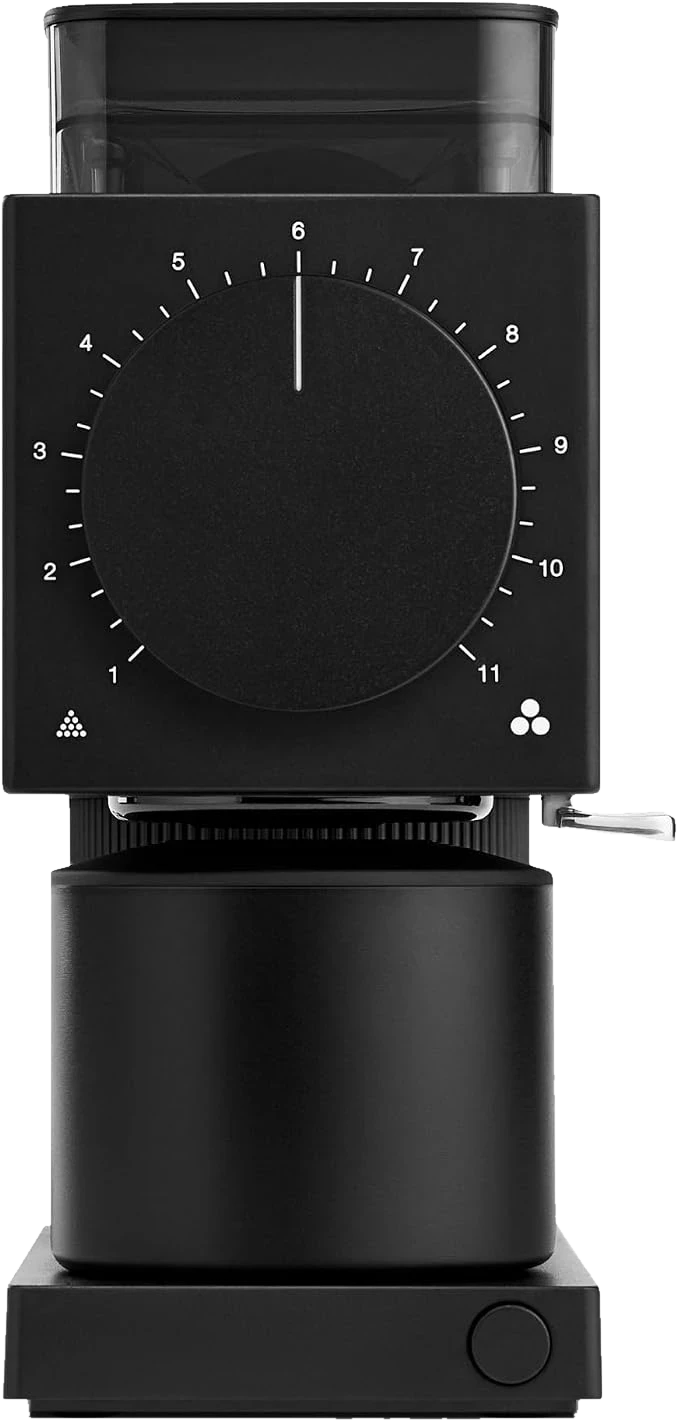
Fellow Ode Gen 2

Best for Pour Over · Around $320

A premium 64mm flat burr grinder built exclusively for brewed coffee. Single-dose design, whisper-quiet motor, and cafe-level grind consistency in a stunning package.

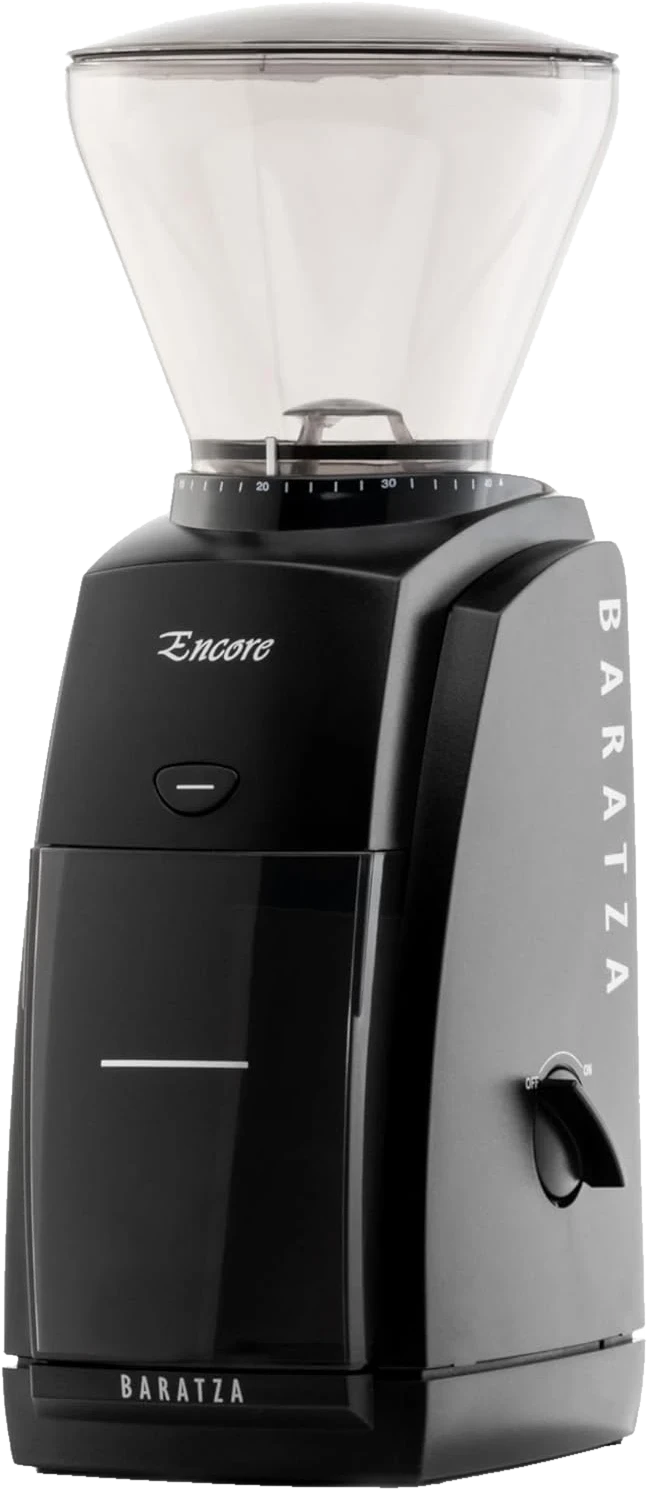
Baratza Encore

Best Value

Baratza Encore

Around $150

The original beginner grinder. 40 settings covering every brew method — perfect if you're not focused on espresso.

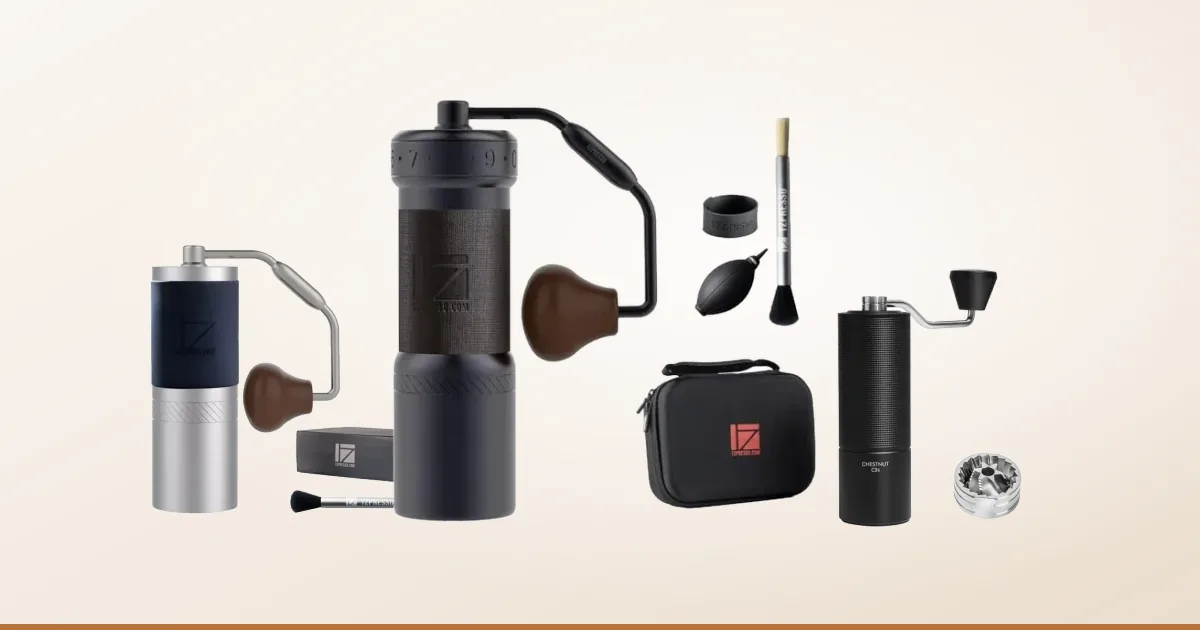
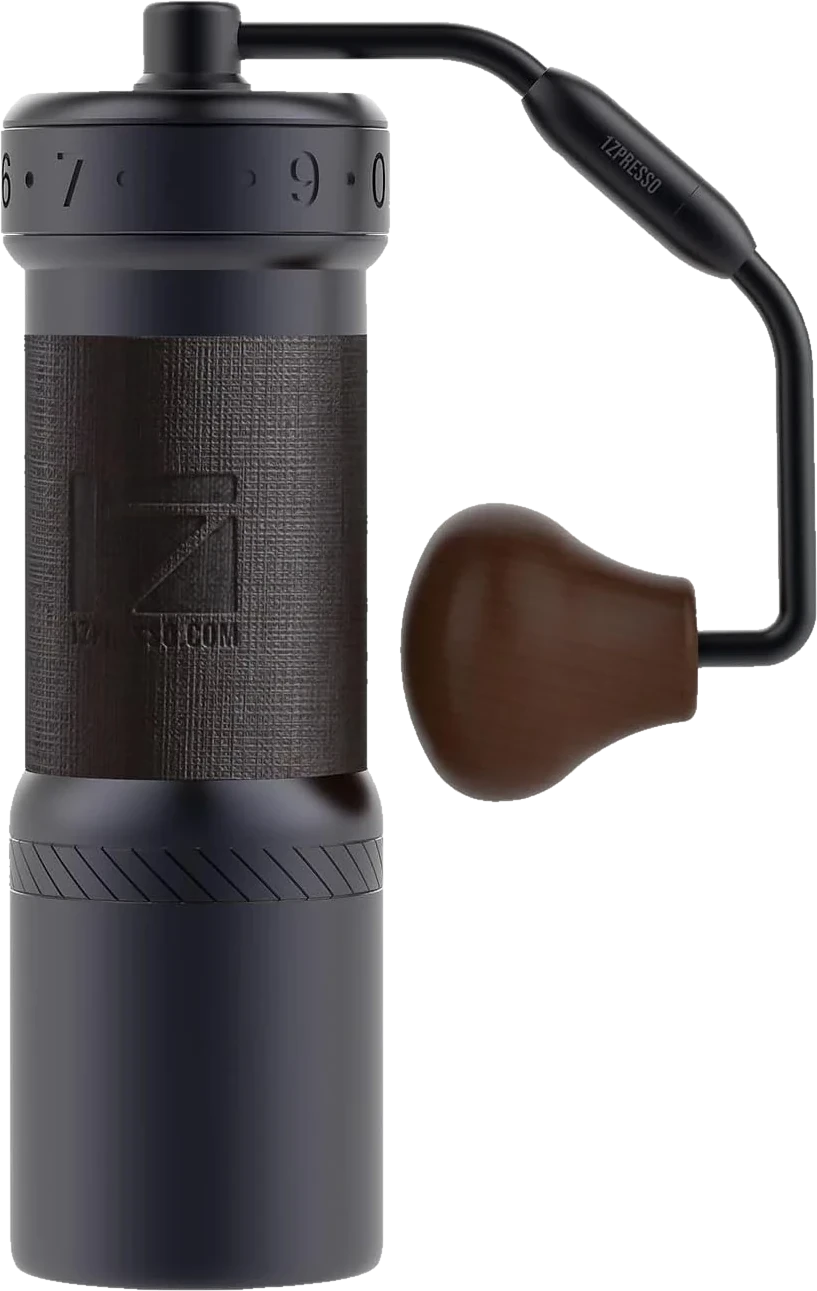
1Zpresso K-Ultra

By Hand

1Zpresso K-Ultra

Around $210

All-round hand grinder with the K burr, external adjustment at 20 microns per click, a magnetic catch cup holding 35 to 40 g, folding handle and travel case.

A good pour over tastes sweet and clear, and a light roast tastes of fruit rather than of toast. A bad one is bitter and thin in the same sip. With no pressure and no machine in the way, what decides which cup you get is how evenly the beans broke up: even grounds give up their flavor at the same pace, while dust over-extracts into bitterness before the big pieces have finished.

So a pour-over grinder is judged on how little dust it makes in the medium range, not on how fine it can go. That is why the best grinder for pour over is a different machine from the best one for espresso, and why the top pick here can’t make espresso at all.

They’re grouped by the kind of morning each one makes: a grinder built only for brewed coffee, the one most people start with, grinders that cover espresso too, and hand grinders for filter. Still choosing the dripper? Our pour over coffee makers guide picks one.

Built for pour over and nothing else

Burrs
64 mm flat
Settings
31
Espresso
Filter only
Holds
100 g

Why we love it

The Fellow Ode Gen 2 is what happens when a design company decides to make the best possible grinder for pour over and drip — and ignores espresso entirely. That laser focus pays off. The 64mm flat burrs (the same style found in commercial cafe grinders) produce remarkably uniform grounds with minimal fines, which translates directly to cleaner, sweeter, more complex cups. The single-dose design means you weigh your beans, drop them in the top, and grind — no stale beans sitting in a hopper all week. Anti-static technology and a magnetic catch cup keep your counter spotless. It's genuinely quiet enough to use at 6 AM without waking anyone. The tradeoff is clear: this grinder cannot do espresso. If you only brew pour over, drip, French press, or cold brew, the Ode Gen 2 is built for exactly those methods.

Pros

  • 64mm flat burrs deliver cafe-level grind consistency
  • Single-dose design keeps beans fresh — no stale hopper
  • Whisper-quiet motor for early morning grinding
  • Anti-static tech and magnetic catch cup eliminate mess
  • Stunning design that earns its counter space

Cons

  • Cannot grind for espresso — brewed coffee only
  • Premium price for a single-purpose grinder
  • 31 settings is fewer than some competitors
  • Small capacity — single dose means weighing beans each time
Your first good grinder, for less

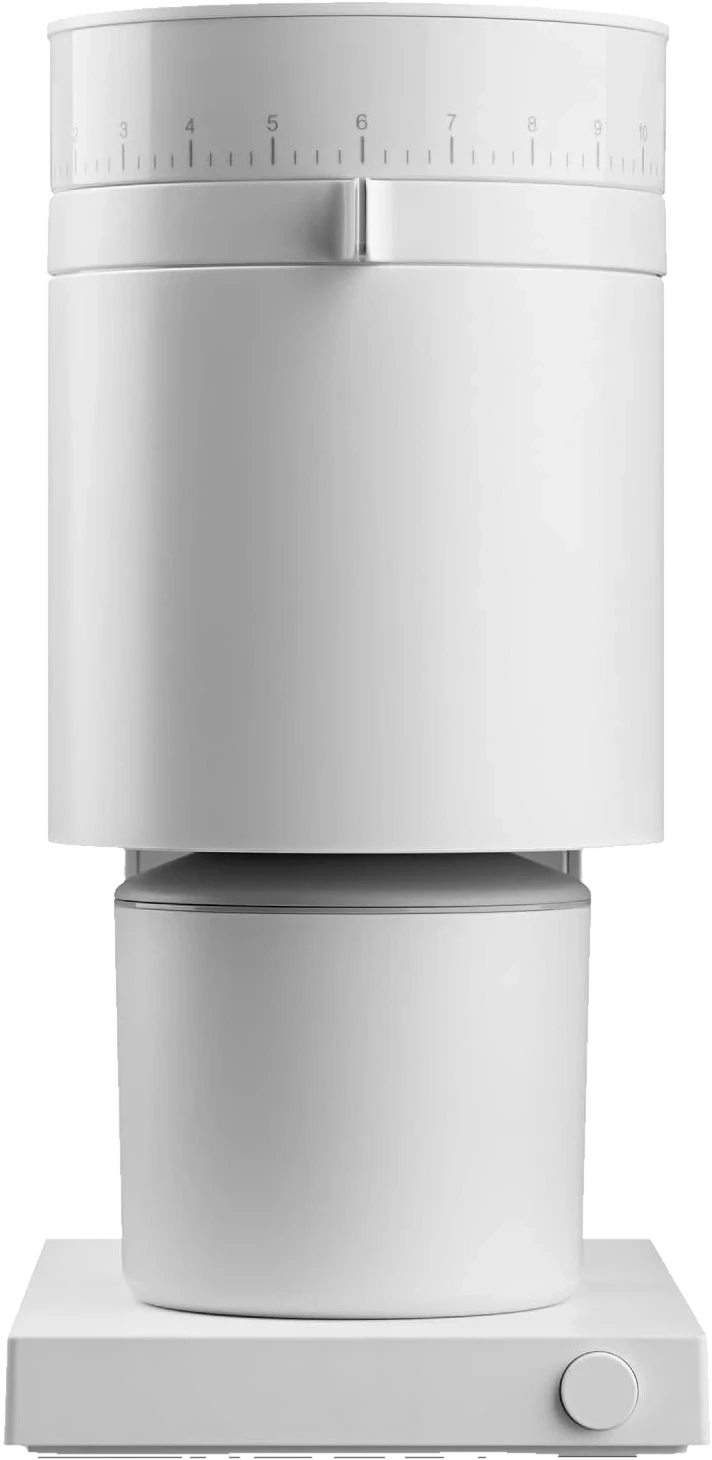
Baratza Encore

Baratza

Baratza Encore

8.8/ 10
Burrs
40 mm conical
Settings
40
Espresso
Filter only
Width
5.12 in

Why we love it

The Baratza Encore has been the default recommendation for beginner coffee grinders for years, and it's earned that spot. It has 40 grind settings that cover everything from fine (Aeropress, Moka pot) to coarse (French press, cold brew), with a sweet spot in the drip and pour over range. It won't win espresso competitions — the steps are too wide in the fine range for serious dialing in — but if you're making pour over, drip, or French press, it's the grinder to beat at its price, period. Baratza's customer service is legendary: they sell individual replacement parts and publish repair guides, so this grinder can last you a decade if you take care of it.

Pros

  • 40 settings covering every non-espresso brew method
  • Proven reliability — this design has been around for years
  • Baratza's repair program means it lasts for years
  • Simple, intuitive operation — one button, one dial
  • Great price for the quality you get

Cons

  • Not ideal for espresso — grind steps are too wide in the fine range
  • Plastic body feels less premium than some competitors
  • No timer — you grind by weight or time manually

Pour over and espresso

Espresso needs finer, smaller steps than pour over, so a grinder that does both gives part of its dial to them.

Electric
Fellow Opus

Fellow

Fellow Opus

8.8/ 10
Burrs
40 mm conical
Settings
41
Espresso
Yes
Holds
110 g

Why we love it

The Fellow Opus is the grinder for people who don't want to be limited to one brew method. It handles everything from fine espresso grinds to coarse French press with 41+ settings, and it does it all while looking like a piece of modern furniture on your counter. The anti-static technology actually works — you won't have grounds flying everywhere. The grind guide under the load bin lid is a thoughtful touch for beginners who don't know what grind size to start with. It has fewer steps in the espresso range than the Encore ESP, which gives espresso half its dial, but if you drink pour over on weekdays and espresso on weekends, it's the only grinder you need.

Pros

  • Handles every brew method — espresso through cold brew
  • Beautiful design that looks great on any counter
  • Anti-static technology keeps your workspace clean
  • Built-in grind guide helps beginners pick the right setting
  • Timed auto-stop for consistent dosing

Cons

  • Fewer espresso steps than the Encore ESP
  • Conical burrs produce slightly less clarity than flat burrs
  • Hopper is small — holds about 4oz of beans
  • Premium price for what's essentially a good all-rounder
By Hand
1Zpresso K-Ultra

1Zpresso

1Zpresso K-Ultra

9.2/ 10
Burrs
Conical
Settings
100+ clicks
Espresso
Yes
Width
7.28 in

Why we love it

The hand grinder that stops being a compromise. External adjustment means you dial grind size without dismantling anything, and at 20 microns a click you can actually chase an espresso shot rather than approximate it. The K burr is fast for a hand grinder, and the magnetic catch cup means grounds go where you point them. It out-grinds most electric grinders costing the same.

Pros

  • External dial, over 100 clicks at 20 microns — espresso-capable precision
  • K burr grinds fast for a hand grinder
  • Magnetic catch cup holds 35 to 40 g, enough for a full brew
  • Folding handle plus a travel case
  • Tool-free dismantling for cleaning

Cons

  • Costs more than several capable electric grinders
  • It is still a hand grinder — espresso doses take arm work daily
  • More adjustment range than a filter-only brewer will ever use
  • Heavier than the travel grinders it shares a shelf with

By hand, for filter coffee

With no motor to pay for, the money goes into the burr; you turn the handle for each brew.

For Home
Burrs
Conical
Settings
About 36
Espresso
Filter only

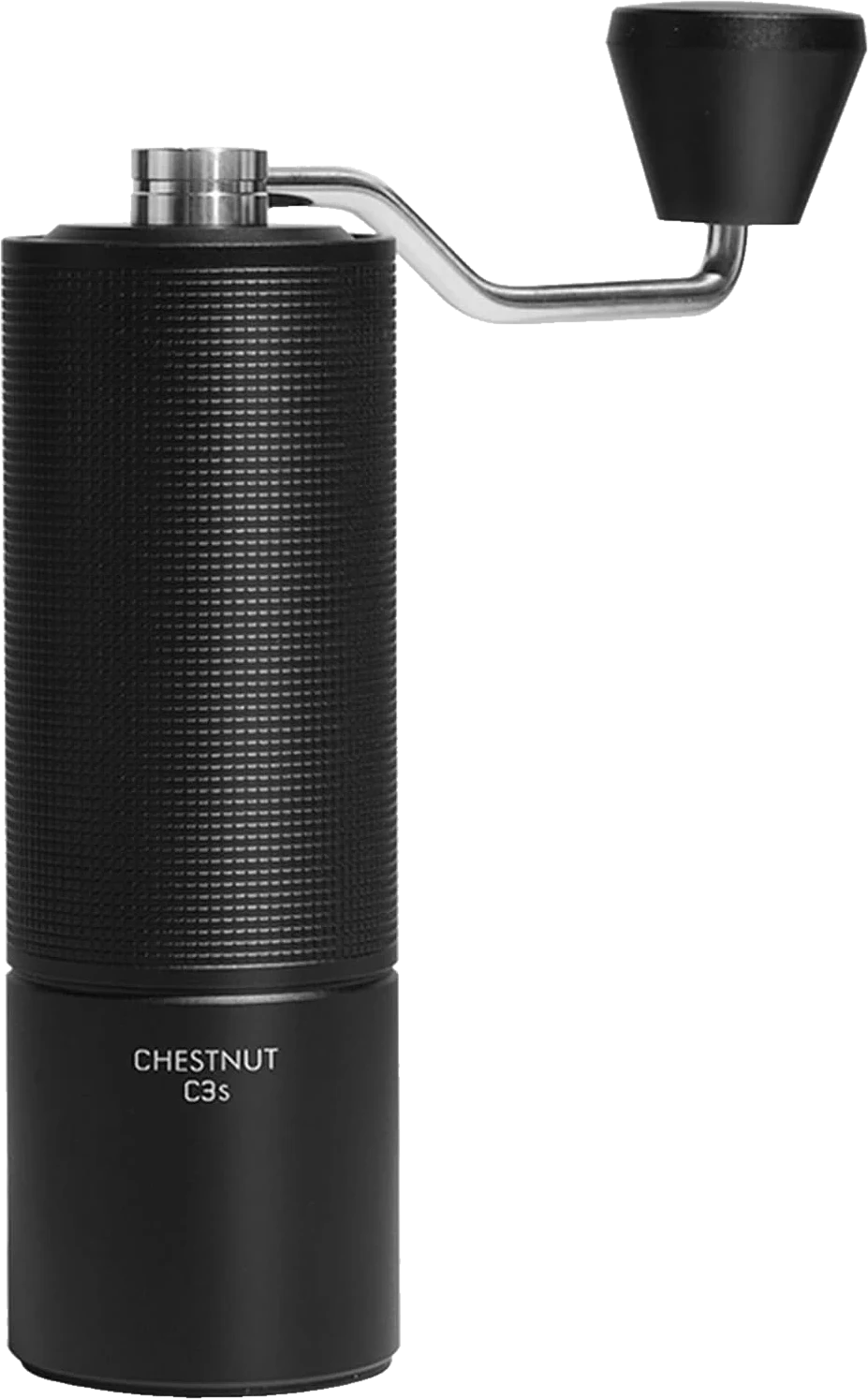
Why we love it

The hand grinder most people should start with. The S2C burr produces noticeably less dust than the cheap stainless burrs it competes with, which is what you taste as muddiness in a pour over, and a built-in bearing means the handle keeps spinning after you let go rather than fighting you. The body is metal rather than plastic and the handle folds, so it survives a bag.

Pros

  • S2C conical burr generates far less fines than budget burrs
  • Bearing-assisted movement — noticeably easier to turn
  • All-aluminum body, no plastic shell to crack
  • Roughly 36 adjustment steps from fine to coarse
  • Folding handle, genuinely packable

Cons

  • Adjustment is by nut with no numbers, so settings are hard to return to
  • Fine enough for espresso is a stretch — this is a filter grinder
  • Grinding a full pot by hand takes real effort
  • Slim body is harder to hold steady than a fatter grinder
For Travel
1Zpresso Q Air

1Zpresso

1Zpresso Q Air

8.4/ 10
Burrs
Conical
Settings
30 clicks a turn
Espresso
Filter only
Holds
15–20 g

Why we love it

Built around one idea: it nests inside an AeroPress plunger. That makes it the grinder for a hotel room, a desk drawer or a rucksack, and it doesn't cut the thing that matters to get there — the burr is a real stainless conical and the adjustment is numbered clicks, so you can write down a setting and come back to it. Capacity is one brew, which is the honest trade for the size.

Pros

  • Nests inside an AeroPress plunger — a genuine travel kit
  • Numbered clicks, so a setting is repeatable
  • 30 clicks per rotation is fine enough control for filter
  • Cheapest 1Zpresso, and the burr is not where they saved
  • Factory-calibrated burr, one-year warranty

Cons

  • Holds one brew's worth of beans, 15 to 20 g
  • Not intended for espresso
  • Small body and short crank mean more effort per turn than a full-size hand grinder
  • Slower per gram than the bigger 1Zpresso grinders

How we chose these

Grind evenness in the pour-over range first, judged on burr type and size and on what each maker states about fines. Then whether a setting is repeatable: numbered steps or clicks you can write down beat an unmarked nut. Then the daily routine: single-dose bin or hopper, noise, the catch cup, and what grinding by hand asks of your arm. Every grinder here also goes coarse enough for a French press. Specs come from each maker’s listing; where a maker doesn’t state a figure, we leave it out.

What to know before you buy

What’s the best grinder for pour over coffee?

The Fellow Ode Gen 2 at $320. It is built only for brewed coffee: 64mm flat burrs, the style café grinders use, with all 31 settings spent on pour over, drip, French press and cold brew. The single-dose bin holds 100 g, so you grind only what you’re about to brew, and it stops by itself when the beans are through. To spend less, the Baratza Encore has 40 settings and replacement parts Baratza sells for years.

What’s the best grinder for pour over and espresso?

The Fellow Opus at $200 if it plugs in, or the 1Zpresso K-Ultra at $210 if you grind by hand. The Opus runs 41 settings from espresso to cold brew, with an inner ring for finer adjustment, though it has fewer espresso steps than a grinder built for espresso. The K-Ultra adjusts on an external dial at 20 microns a click, fine enough to dial in a shot, and its burr is quick through a filter dose; a double shot by hand is arm work every morning. If espresso is most of what you make, our espresso grinder guide starts from grinders built for it.

Can the Fellow Ode Gen 2 grind for espresso?

No. Fellow’s own listing says it is not for espresso: the 31 settings are set out for pour over, drip, French press and cold brew. That focus is the point of the grinder. For one grinder that does both, the Fellow Opus covers espresso to cold brew on one dial; our Fellow Ode vs Opus comparison weighs the two.

Is the Baratza Encore ESP good for pour over?

It can make one, but for pour over only, the original Encore is the better buy. The ESP gives 20 of its 40 settings to espresso, so the filter half moves in coarser steps. The original Encore spends its whole dial on the range from fine to French press, with 40mm conical burrs made in Liechtenstein, and its sweet spot is drip and pour over. Its steps are too wide to dial in espresso, which a pour over never asks of it.

What’s the best manual grinder for pour over?

The Timemore Chestnut C3S at $65. Its S2C burr keeps fine powder down, which is what turns a pour over muddy, and a bearing keeps the handle spinning so it turns easily. The weak spot is the adjustment: an unmarked nut, so a setting is hard to come back to. The 1Zpresso Q Air has numbered clicks and nests inside an AeroPress plunger, and holds one brew. The 1Zpresso K-Ultra is the hand grinder to buy if you make espresso too.

Flat or conical burrs for pour over?

Flat burrs give the more even grind, and pour over is where you taste it: a clearer cup, with less bitterness from fines. The Fellow Ode Gen 2 is the one flat-burr grinder here. Conical burrs are the norm in home grinders and in all the hand grinders here, and a well-made conical set, like the Encore’s or the Timemore’s S2C, makes a better pour over than a cheap flat one.

What grind size is best for pour over?

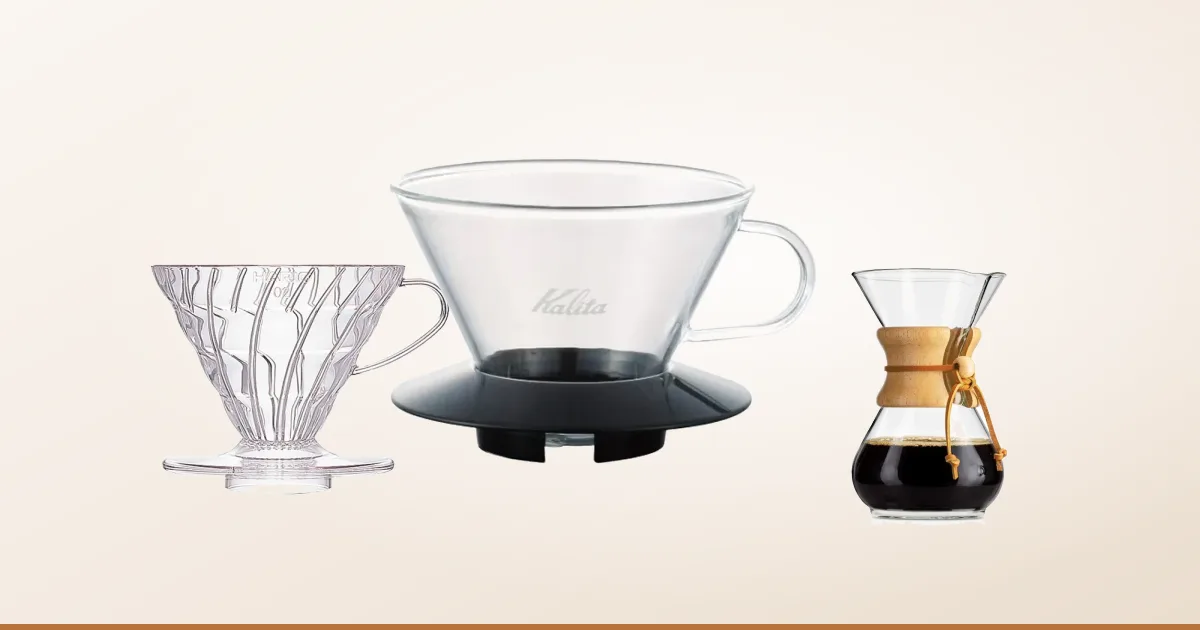
Medium: coarser than espresso, finer than French press, with the dripper deciding where. A Chemex’s thick filter wants it coarser than a V60. Then adjust by taste: a brew that runs fast and tastes sour or weak wants finer, one that stalls and tastes bitter wants coarser. The Ode and the Opus both print a grind guide under the lid to start from.

Bottom line

Buy the Fellow Ode Gen 2 at $320 for pour over: flat burrs, every setting spent on brewed coffee, one dose at a time. Start with the Baratza Encore to spend less and keep it running for years. If espresso is in your mornings too, the Fellow Opus covers both on one dial and the 1Zpresso K-Ultra does it by hand. And for filter by hand, the Timemore Chestnut C3S stays at home and the 1Zpresso Q Air travels.

Related guides

Stay in the loop

New gear reviews, brew tips, and the occasional deal — straight to your inbox. No spam, ever.

Just your email, nothing else. Privacy