GuidesBrowseComparisons
Roundup

Best Coffee Makers for RV Living

Grouped by the power you'll have: a low-wattage pot for a generator or inverter, a carafe that survives the drive, one cup with no tank to slosh, or no power at all.

By Dana WhitfieldUpdated October 2026
7 products compared7 min read
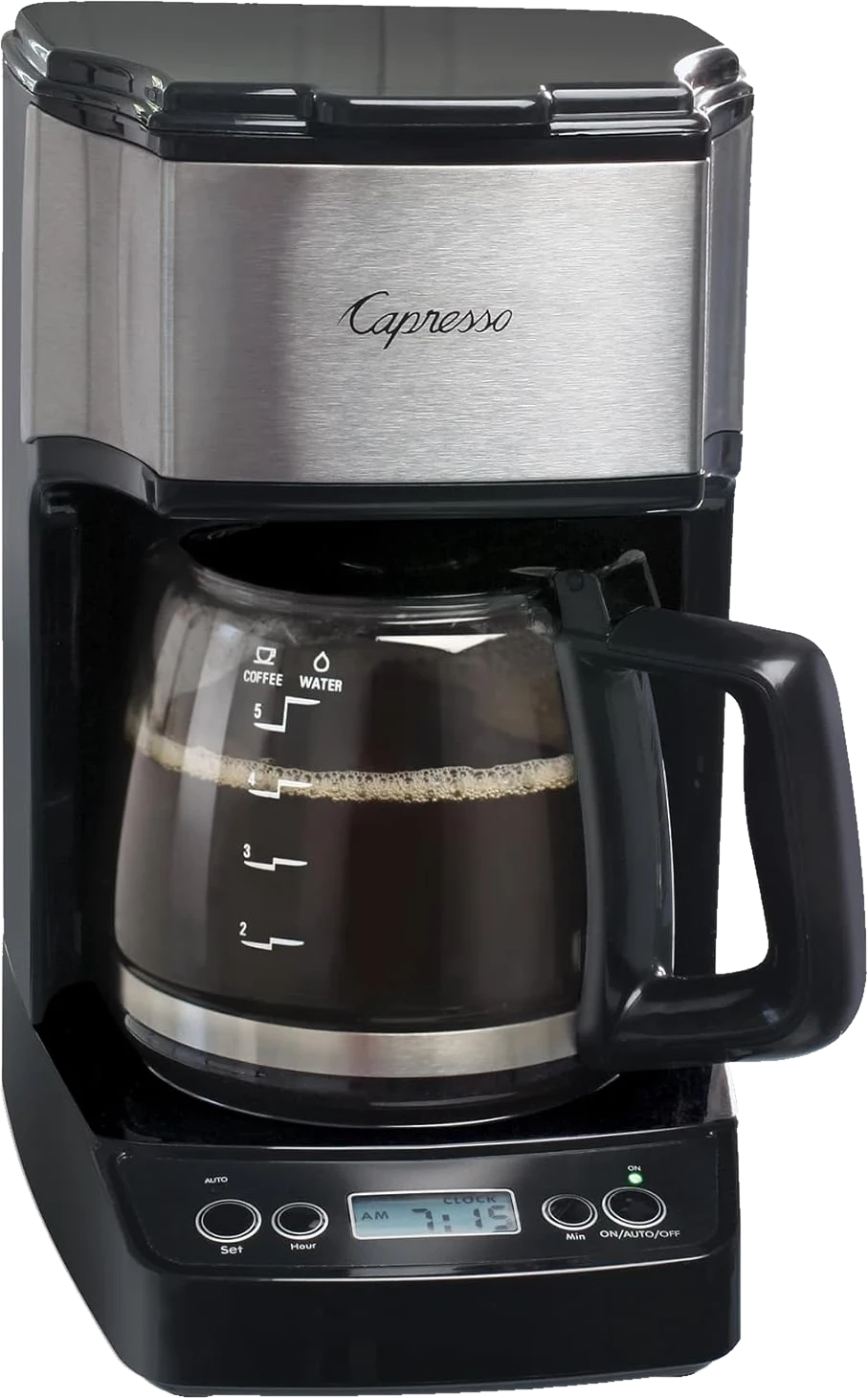
Capresso 5-Cup Mini Drip Coffee Maker

★ Our top pick

Capresso 5-Cup Mini Drip Coffee Maker

Best for RV living · Around $40

Five cups on 650 watts, about 8 by 6 inches of counter, and a timer so the pot is ready when you wake up.

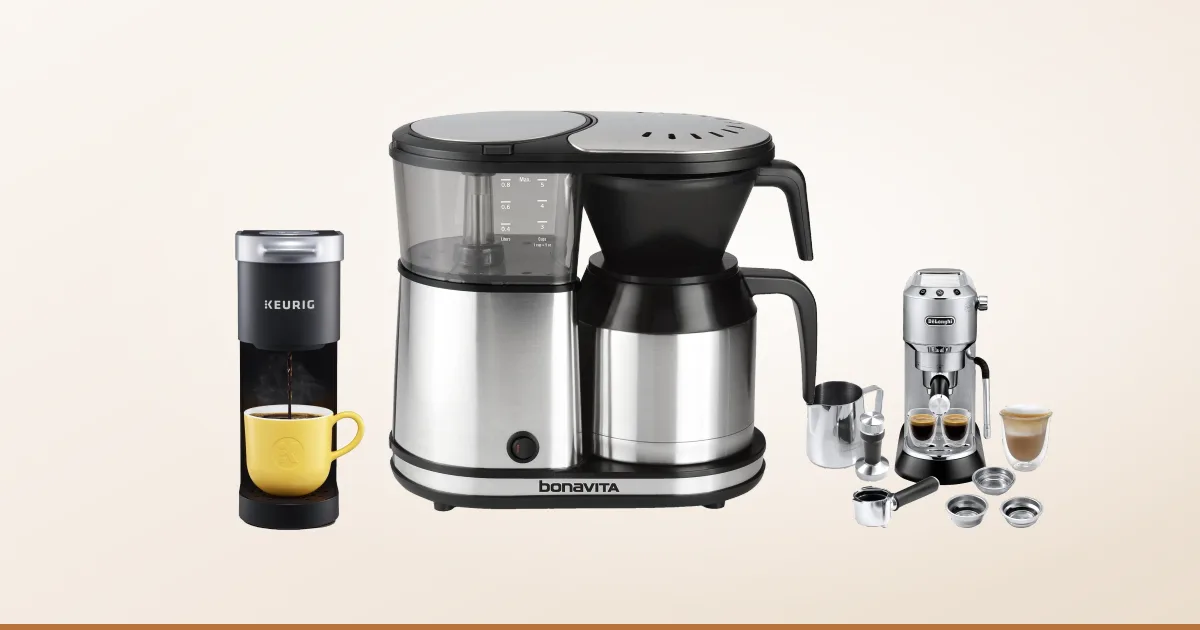
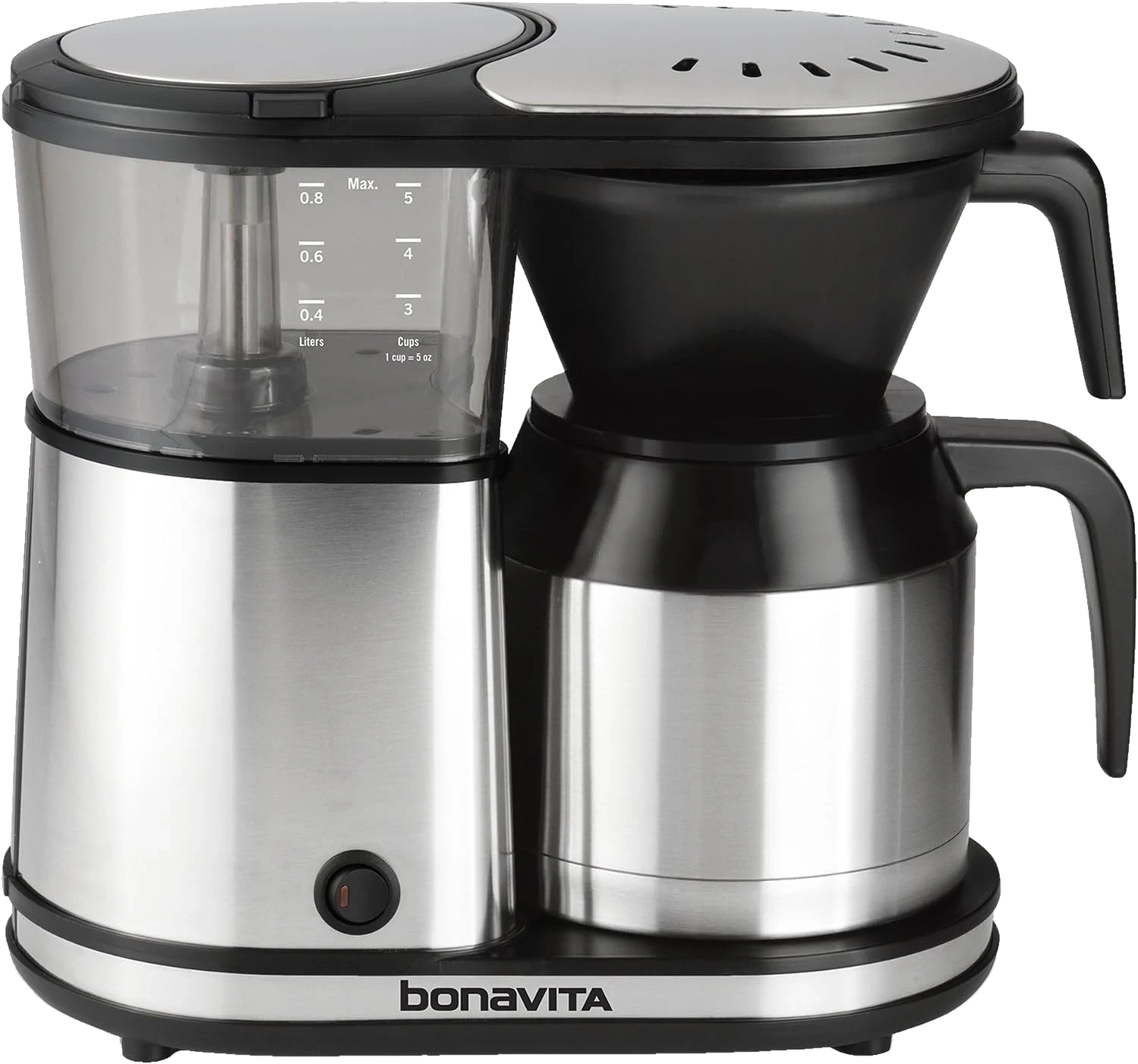
Bonavita 5-Cup BV1500TS

Best for the road

Bonavita 5-Cup BV1500TS

Around $150

A double-walled stainless carafe that can't shatter on a rough road, and no hotplate cooking the pot.

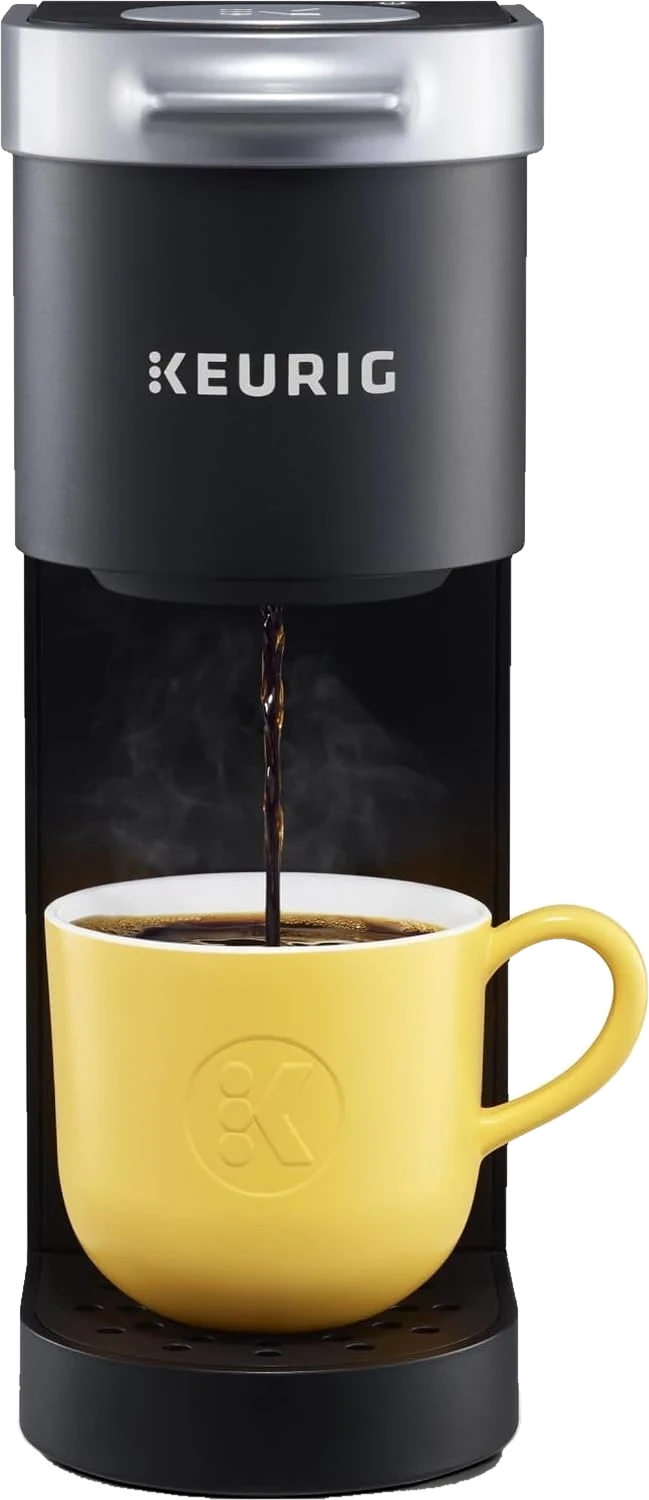
Keurig K-Mini

Best one cup at a time

Keurig K-Mini

Around $70

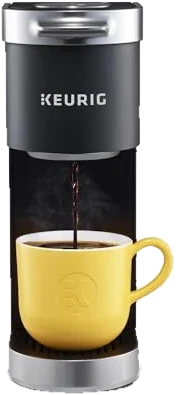
No water tank to slosh or drain before you drive, in a body about 4.5 inches wide.

Coffee in an RV is a power question before it's a taste question. A 30-amp hookup gives you about 3,600 watts for everything at once, and a full-size coffee maker can want 1,500 of them; on a generator or an inverter the budget is smaller still. The right machine is the one that brews a real pot of coffee on the power you actually have, and doesn't break the first time the road gets rough.

Seven picks here, grouped by that power: a low-wattage pot for a generator or inverter, a carafe that survives the drive, one cup at a time with no tank to slosh, espresso in a few inches of counter, and coffee with no power at all. Each card shows the machine's wattage where its maker publishes one; where it doesn't, the card says nothing rather than guess.

A pot of coffee on a generator or an inverter

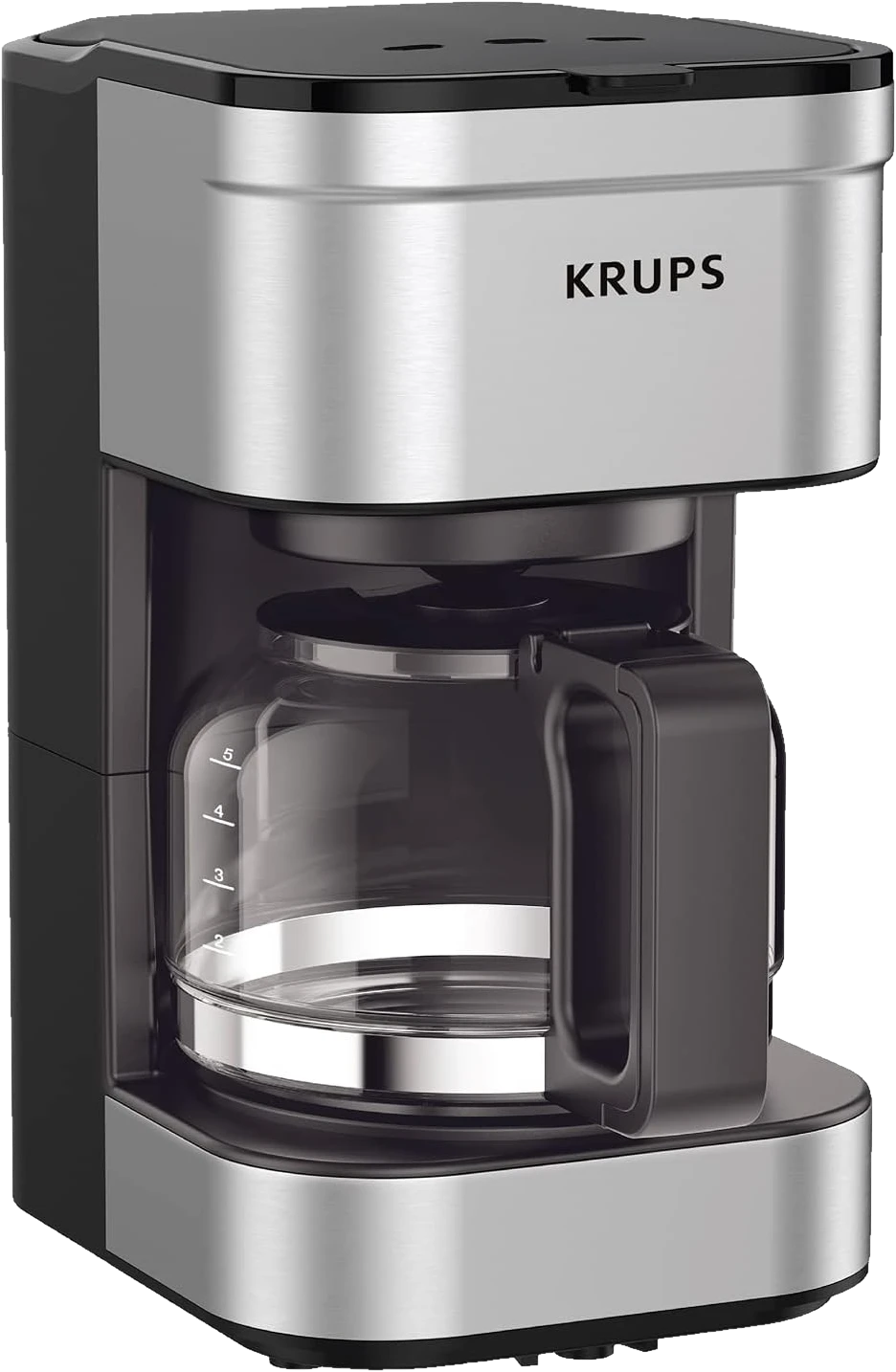
Both draw 650 watts, the lowest of any machine here that brews a pot, so they leave room on a shared 30-amp hookup and run on a modest inverter. The Capresso adds a 24-hour timer for coffee that's ready when you wake up; the KRUPS is one button, with nothing to reset after the power cuts out. Both have glass carafes, so secure them before you drive.

Best for RV living
Carafe
Glass, hotplate
Makes
25 oz
Power draw
650 W
Stands out
Tiny footprint

Why we love it

The Capresso Mini Drip is the entry point for anyone who wants a real coffee maker without spending real money. At around $40, it brews less than a minute per cup, has a 24-hour programmable timer so you can wake up to fresh coffee, and includes a permanent GoldTone filter so you're not buying paper filters. The footprint is tiny — about 8 by 6 inches — which makes it ideal for small kitchens, dorm rooms, or offices. It's not going to compete with SCA-certified machines on extraction quality, but for the price and size, it punches way above its weight.

Pros

  • Extremely affordable — best drip machine under $45
  • Tiny footprint — fits in small kitchens, dorms, and offices
  • 24-hour programmable timer
  • GoldTone permanent filter — no paper filters needed
  • Brews fast — under a minute per cup
  • Drip stop lets you pour a cup mid-brew

Cons

  • Not SCA certified
  • Glass carafe on a warming plate: fine for a pot you drink, but the last of it left for hours turns bitter
  • 5-cup capacity only (25 oz) — not for big households
  • No thermal carafe option
  • No brew strength adjustment
Carafe
Glass, hotplate
Makes
5 cups
Power draw
650 W
Stands out
Pause and pour

Why we love it

The KRUPS is built for one or two people and very little power: KRUPS rates it at 650 watts, well under a full-size machine, which leaves room on a shared hookup and suits a modest inverter. There's one button, a top-fill tank and a permanent filter, so there's nothing to program and no paper to pack. Pull the glass carafe mid-brew and the drip stops; leave it on the plate and it keeps the pot warm for up to 30 minutes. The stainless body wipes clean, and the carafe and filter go in the dishwasher.

Pros

  • 650 watts, per KRUPS: a low draw for an inverter or a shared hookup
  • One on/off button, nothing to program or reset after a power cut
  • Permanent filter, so no paper filters to buy or pack
  • Pause and pour: take a cup before the pot finishes
  • Glass carafe and filter are dishwasher safe

Cons

  • Glass carafe: secure it before you drive
  • Keeps the pot warm for only up to 30 minutes
  • Five cups is a pot for one or two, not a group
  • No timer

A carafe that survives the drive

Double-walled stainless instead of glass, so a pothole doesn't end your coffee, and no hotplate cooking the pot while it waits. It draws 1,100 watts, which is fine on a hookup as long as the microwave or the A/C isn't running at the same moment.

Best for the road
Carafe
Thermal
Makes
34 oz
Power draw
1,100 W
Certified
SCA

Why we love it

Small brewers are usually where the specifications quietly disappear — a hotplate, a vague temperature claim, no certification. This one keeps all of it at half the size: SCA certified, 194–205°F, an optional bloom, and a thermal carafe rather than a warming plate. If you brew for one or two people, this is the same engineering as the eight-cup machines without three days of stale coffee in the pot.

Pros

  • SCA certified at five-cup size, which is rare
  • Double-wall stainless thermal carafe, not a hotplate
  • Optional pre-infusion bloom
  • Brews a full carafe in about five minutes
  • Carafe lid, basket and showerhead are dishwasher safe

Cons

  • Five cups is genuinely small if anyone else drinks coffee
  • No programmable timer
  • Costs more than eight-cup machines with worse specifications
  • Thermal lid has to come off to brew and go back on after

One cup at a time, with no tank to slosh

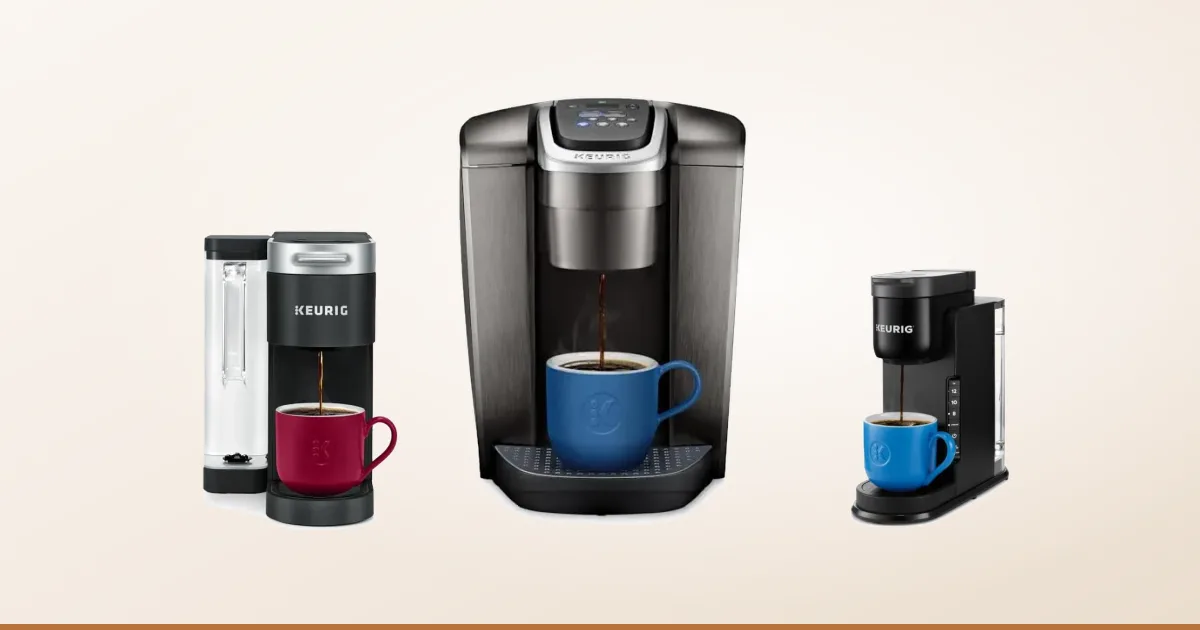
Neither has a water tank: you pour in one cup's water each time, so there's nothing to drain before you drive, and both are about 4.5 inches wide. The Plus adds a strong button and stores nine pods in the machine. Keurig doesn't publish a wattage, so treat them like any full-power appliance and don't run one alongside the microwave.

Best one cup at a time
Keurig K-Mini

Keurig

Keurig K-Mini

7.4/ 10
Takes
K-Cup
Cup sizes
6–12 oz
Water tank
One cup
Stands out
Under 5 in wide

Why we love it

The answer when the constraint is space rather than coffee. Under five inches wide fits a dorm desk, an office drawer unit or a rental kitchen with no counter left, and the cord stores in the back so it travels. You fill it per cup, which is the trade for the size — there's no reservoir to run dry and none to take up room either.

Pros

  • Under five inches wide — fits where nothing else will
  • Cord storage makes it genuinely portable
  • Brews 6 to 12 oz
  • The smallest way into the pod system
  • Takes a reusable filter for your own grounds

Cons

  • One cup of water at a time — you fill it every single brew
  • No temperature control, strength control or iced setting
  • Cost per cup is far higher than ground coffee
  • Slower in practice than a machine with a reservoir
Takes
K-Cup
Cup sizes
6–12 oz
Water tank
One cup
Stands out
Stores 9 pods

Why we love it

The K-Mini Plus is the K-Mini with the two things it was missing. A strong button brews a more intense cup, and a pod holder that stores nine K-Cups fits in the brewer itself, so the pods don't need their own spot on the counter. It is still under five inches wide and still filled one cup at a time, now from a reservoir that lifts out for filling and cleaning. Cup size runs from 6 to 12oz, the drip tray comes out for a travel mug up to 7 inches tall, the cord stores in the back, and it switches itself off 90 seconds after the last brew.

Pros

  • Under five inches wide
  • Pod holder for nine K-Cups fits in the brewer
  • Strong-brew button
  • Removable one-cup reservoir
  • Cord storage and auto-off after 90 seconds

Cons

  • Filled one cup at a time
  • Costs more than the K-Mini for the pod holder and strong button
  • Cost per cup is far higher than ground coffee

Espresso in 3.3 inches

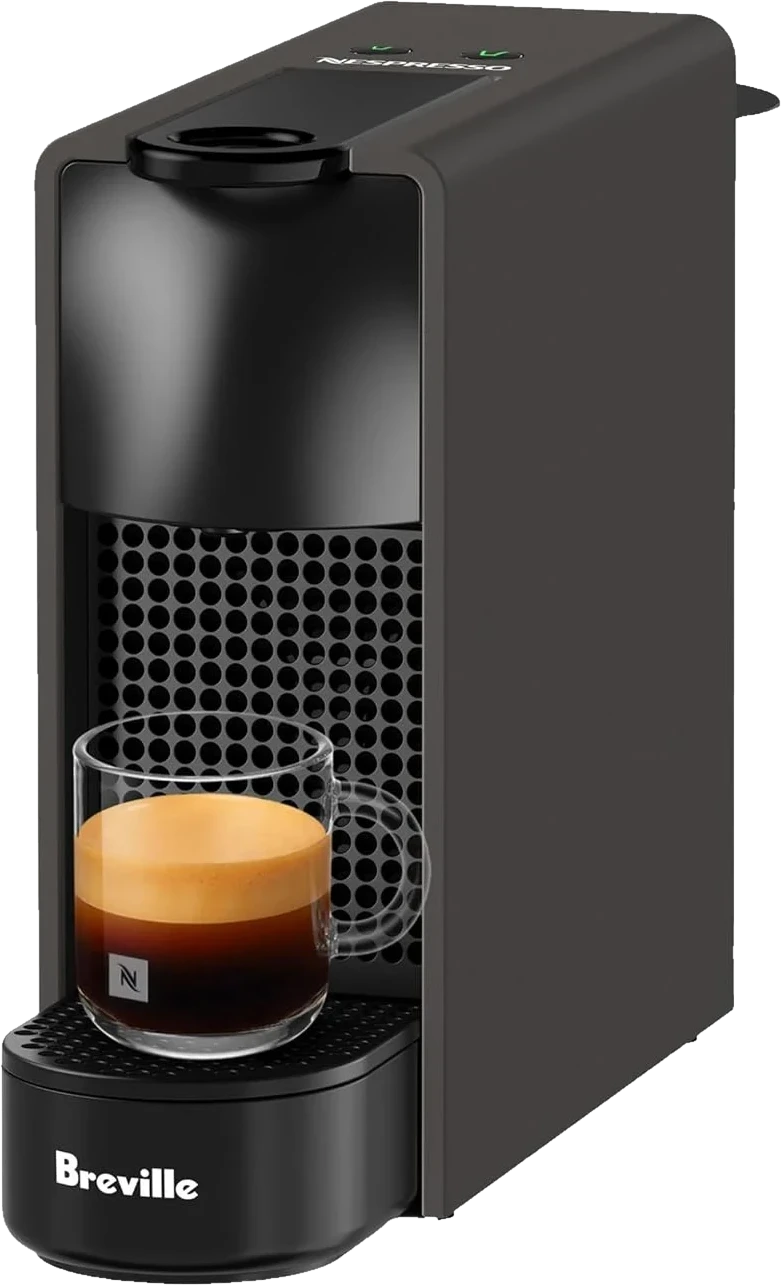
Nespresso's smallest machine is 3.3 inches wide and draws 1,255 watts, and the capsules stack flat in a cupboard. Espresso and lungo, nothing to measure, nothing to grind.

Takes
Nespresso Original
Cup sizes
Espresso, lungo
Power draw
1,255 W
Stands out
25 s heat-up

Why we love it

The one to buy if what you actually want is espresso. Original-line Nespresso runs at high pressure and produces a real crema from 19-bar extraction, which no Keurig matches at any price — a K-Cup is filter coffee brewed quickly. The Essenza Mini strips the system to two buttons and the smallest body it comes in, and Original capsules are made by dozens of companies, so you are not locked to one seller.

Pros

  • Real espresso with crema, not fast filter coffee
  • Original-line capsules are made by many brands — no single supplier
  • Smallest machine in the Nespresso range
  • Heats in about 25 seconds
  • Cheaper per capsule than Vertuo

Cons

  • Two cup sizes only, both small — this is not a mug of coffee
  • No milk frother in the box
  • Costs more than most Keurigs while making less coffee
  • Capsules still cost far more per cup than ground coffee

No power at all

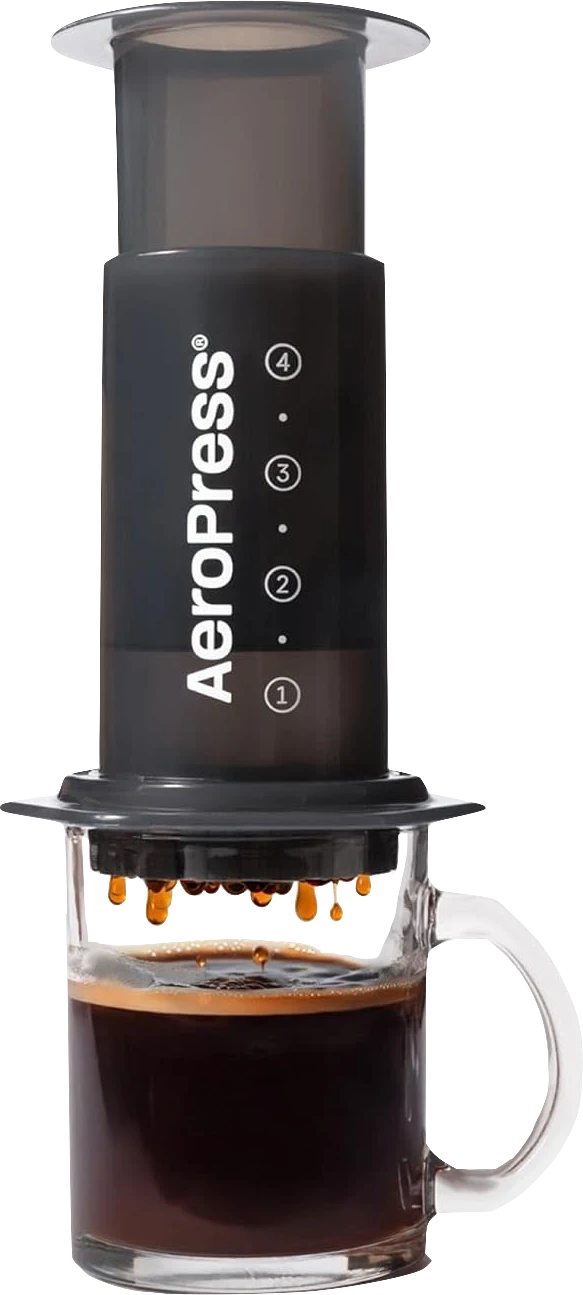
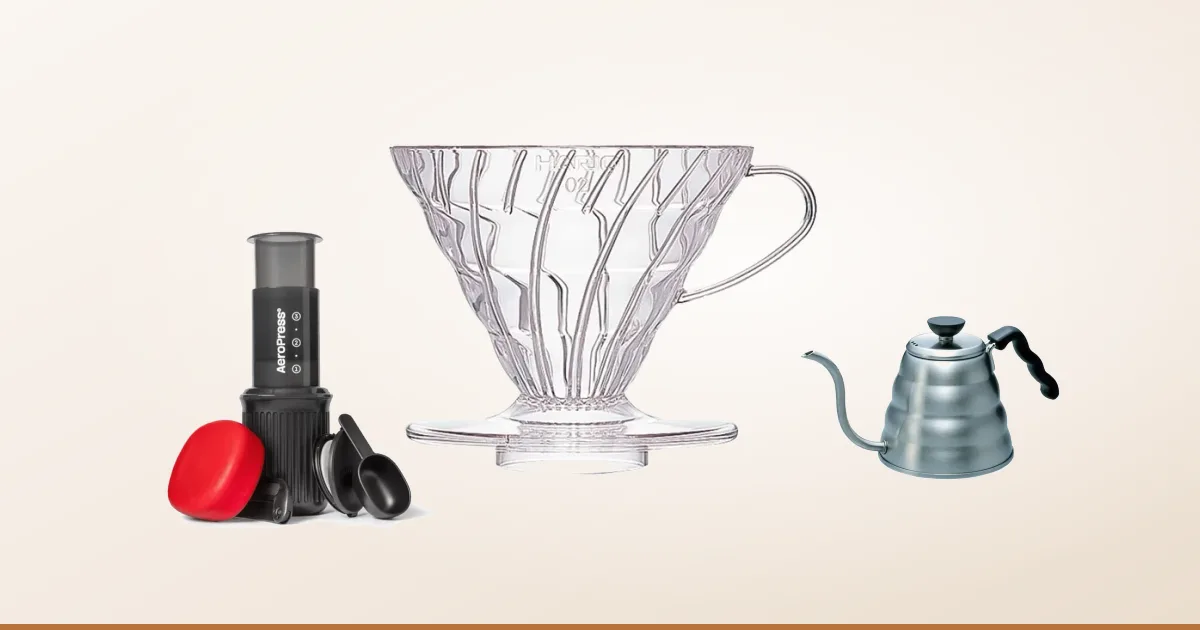
Boil water on the stove and press a cup in about two minutes. Nothing to plug in, and it's plastic, so a rough road can't break it.

Best Alternative
Makes
10 oz
Body
Plastic
Filter
Paper

Why we love it

Okay, the AeroPress isn't technically a French press — it's an immersion brewer that uses air pressure and paper micro-filters instead of a metal mesh. But if you're shopping for a French press, there's a very good chance you'd actually love this more. It brews a clean, grit-free, full-flavored cup in under two minutes with zero bitterness. The paper filters catch all sediment and most oils, giving you a cup that's somewhere between French press richness and pour-over clarity. It's also virtually indestructible, weighs almost nothing, and is the ultimate travel coffee maker. Cleanup takes literally ten seconds — pop out the puck, rinse, done. If you're on the fence between French press and something else, the AeroPress is the "something else" worth trying.

Pros

  • Completely grit-free coffee — paper micro-filters catch everything
  • Brews in under 2 minutes — fastest method on this list
  • Incredibly versatile — espresso-style, cold brew, and American coffee
  • Near-indestructible and ultra-portable
  • Ten-second cleanup — pop the puck, rinse, done

Cons

  • Single-serve only — about 10oz per brew
  • Requires paper filters (included, and cheap to replace)
  • Not a French press — different brewing experience and body
  • Plastic body won't win design awards

Why there's no 12-volt pick

A 12-volt coffee maker sounds like the RV answer, and none on Amazon is good enough to recommend. They pull about 13 to 14 amps from a socket that's often fused close to that, take 15 to 25 minutes for a pot, and their reviews keep coming back to plugs that run hot. With a 120-volt outlet or an inverter, a five-cup maker above does the job far better; with neither, the AeroPress and a pot on the stove do. If you also need to keep coffee hot on the road, see the best thermos for coffee.

How we chose these

Judged on power draw first, using the wattage each maker publishes, then on what survives travel (the carafe, a water tank that can slosh), then on footprint. We read RV owners' forums for what actually goes wrong on the road, read owner reviews at volume, and checked each listing for the specs it states. 12-volt machines were considered and none made the cut; the note below says why.

What to know before you buy

What is the best coffee maker for an RV?

The Capresso 5-Cup Mini Drip at $42. It draws 650 watts, brews five cups, takes about 8 by 6 inches of counter and has a 24-hour timer. If a glass carafe worries you on the road, the Bonavita 5-Cup brews into double-walled stainless instead, at 1,100 watts.

What is the best low-wattage coffee maker for an RV?

The Capresso 5-Cup and the KRUPS Simply Brew Compact, both rated at 650 watts, the lowest draw of any pot-brewing machine here. The Capresso has a timer; the KRUPS is a single on/off button. Lower than that, the AeroPress draws nothing at all: the stove heats the water.

How many watts does a coffee maker use?

Most full-size drip machines are rated between about 900 and 1,600 watts, and they draw most of it while heating the water, then far less on the warming plate. The Ninja CM401 is rated at 1,550 watts; the five-cup machines here at 650 watts. On a 30-amp RV hookup the rule is to add up what's running: a coffee maker, a microwave and the A/C together can trip it, so brew before or after the others.

Can you use a Keurig in an RV?

Yes, on a hookup or a large enough inverter. The K-Mini and K-Mini Plus suit an RV best: no water tank to slosh or drain, and about 4.5 inches wide. Keurig doesn't publish their wattage, so plan for a full-power appliance and don't run one alongside the microwave or the A/C.

Is a 12-volt coffee maker worth it?

Not the ones on Amazon now. They pull about 13 to 14 amps from a 12-volt socket that's often fused close to that, take 15 to 25 minutes for a pot, and their reviews keep returning to plugs that run hot. A 120-volt five-cup maker on an inverter, or an AeroPress and a pot on the stove, makes better coffee faster.

How do you keep a coffee maker from breaking while you drive?

Take the glass carafe off the plate and pack it, or strap it down with a small bungee, and empty any water tank before you move. Or skip the problem: the Bonavita's carafe is stainless, the K-Mini has no tank or carafe at all, and the AeroPress is plastic.

What's the best coffee maker for camping with no electricity?

The AeroPress. It needs only water heated on a camp stove, makes a cup in about two minutes, and packs into a bag with nothing to break. Our small spaces guide has it alongside the narrowest plug-in machines.

Bottom line

For most RVs, buy the Capresso 5-Cup: 650 watts, five cups and a timer in about 8 by 6 inches. If glass on the road worries you, the Bonavita 5-Cup's stainless carafe can't shatter; if you drink one cup at a time, the Keurig K-Mini has no tank to slosh; and if you're off the grid, the AeroPress needs nothing but the stove.

Related guides

Stay in the loop

New gear reviews, brew tips, and the occasional deal — straight to your inbox. No spam, ever.