GuidesBrowseComparisons
Roundup

Best Coffee Makers Under $200

Eight machines under $200, and the one feature worth protecting as the budget drops.

By Dana WhitfieldUpdated October 2026
8 products compared9 min read
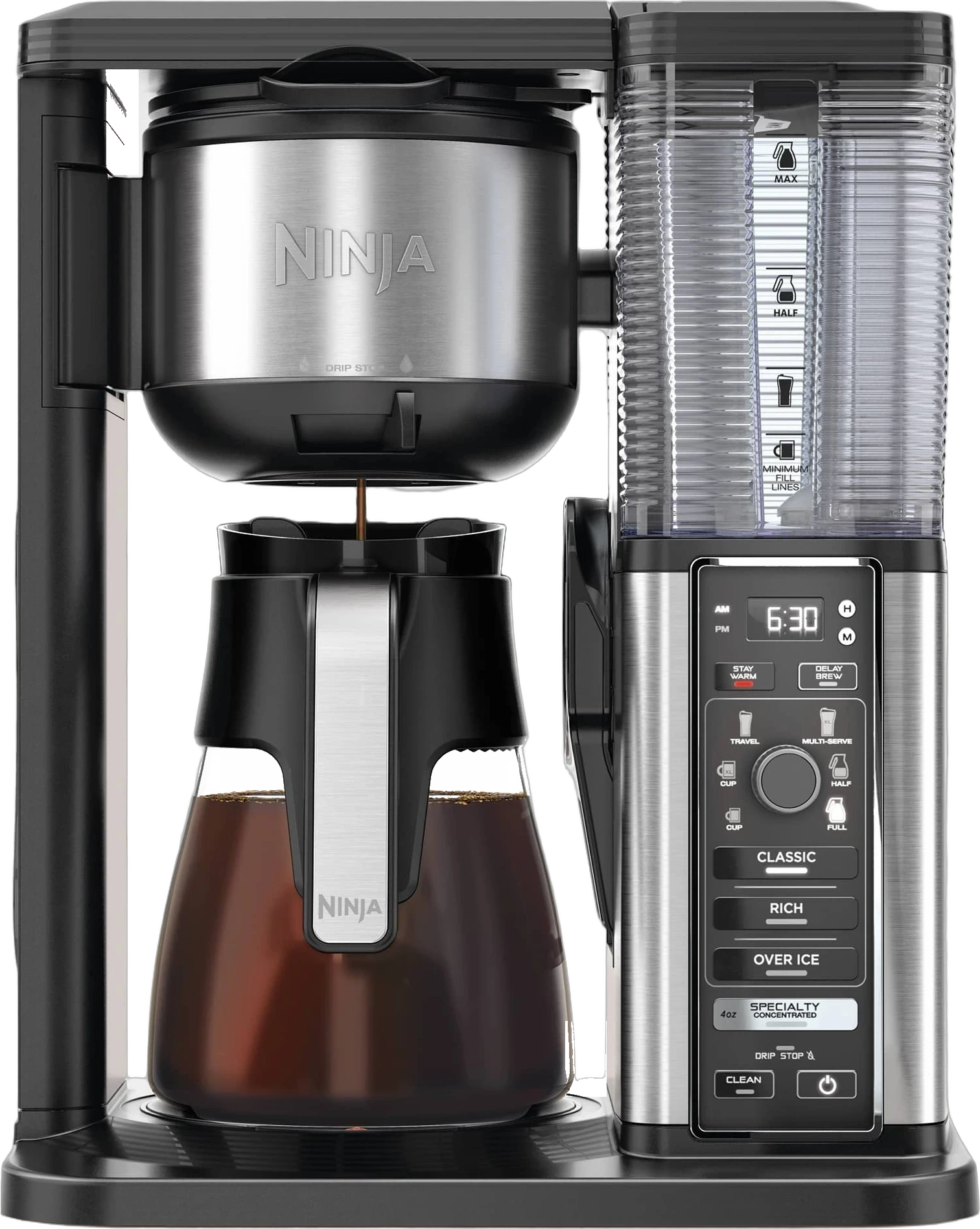
Ninja CM401 Specialty Coffee Maker

★ Our top pick

Ninja CM401 Specialty Coffee Maker

Most Versatile · Around $170

SCA-certified multi-serve brewer with 4 brew styles, 6 sizes, built-in fold-away frother, and a glass carafe. Makes everything from a single cup to a full pot — plus iced coffee and specialty concentrates.

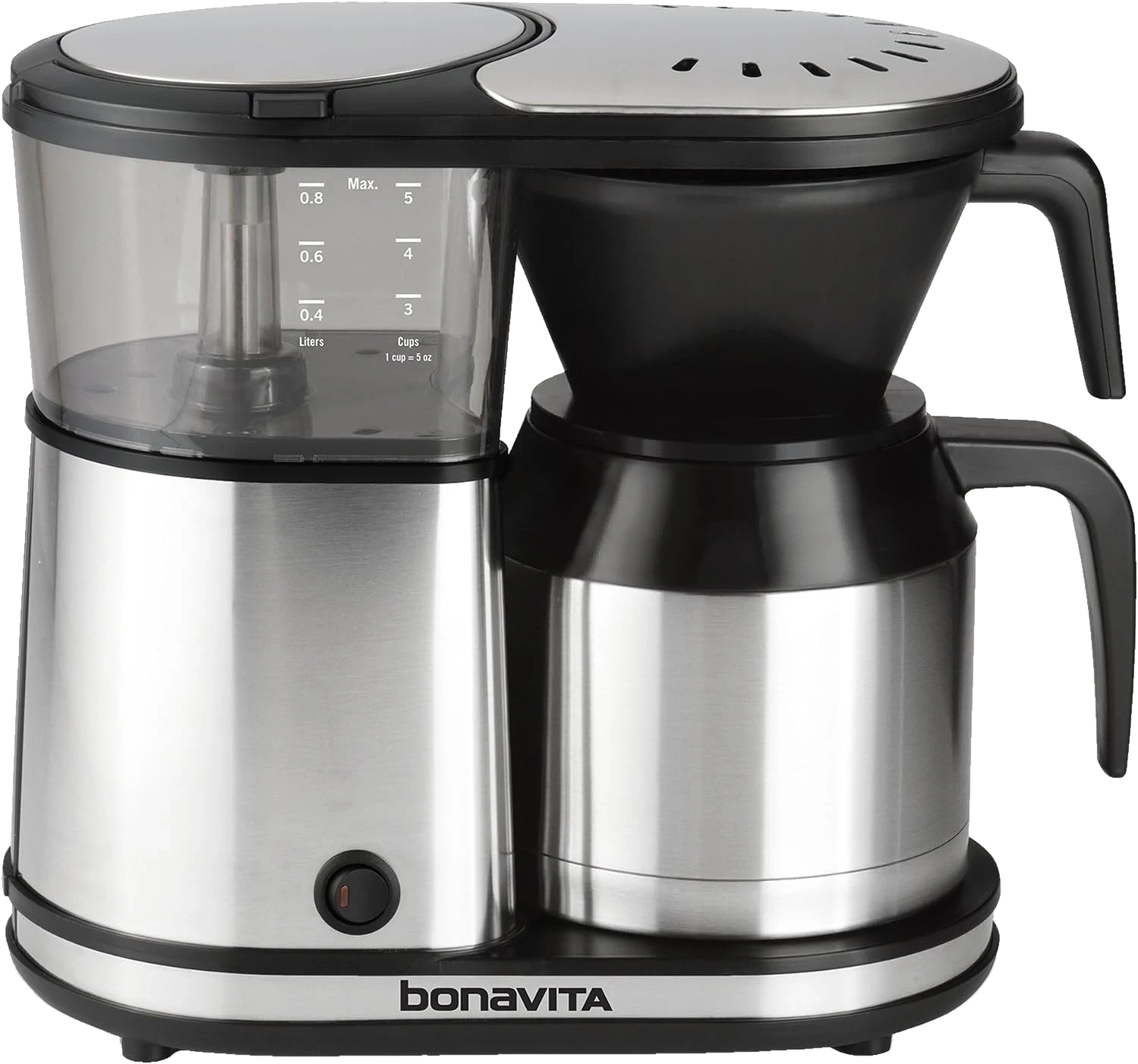
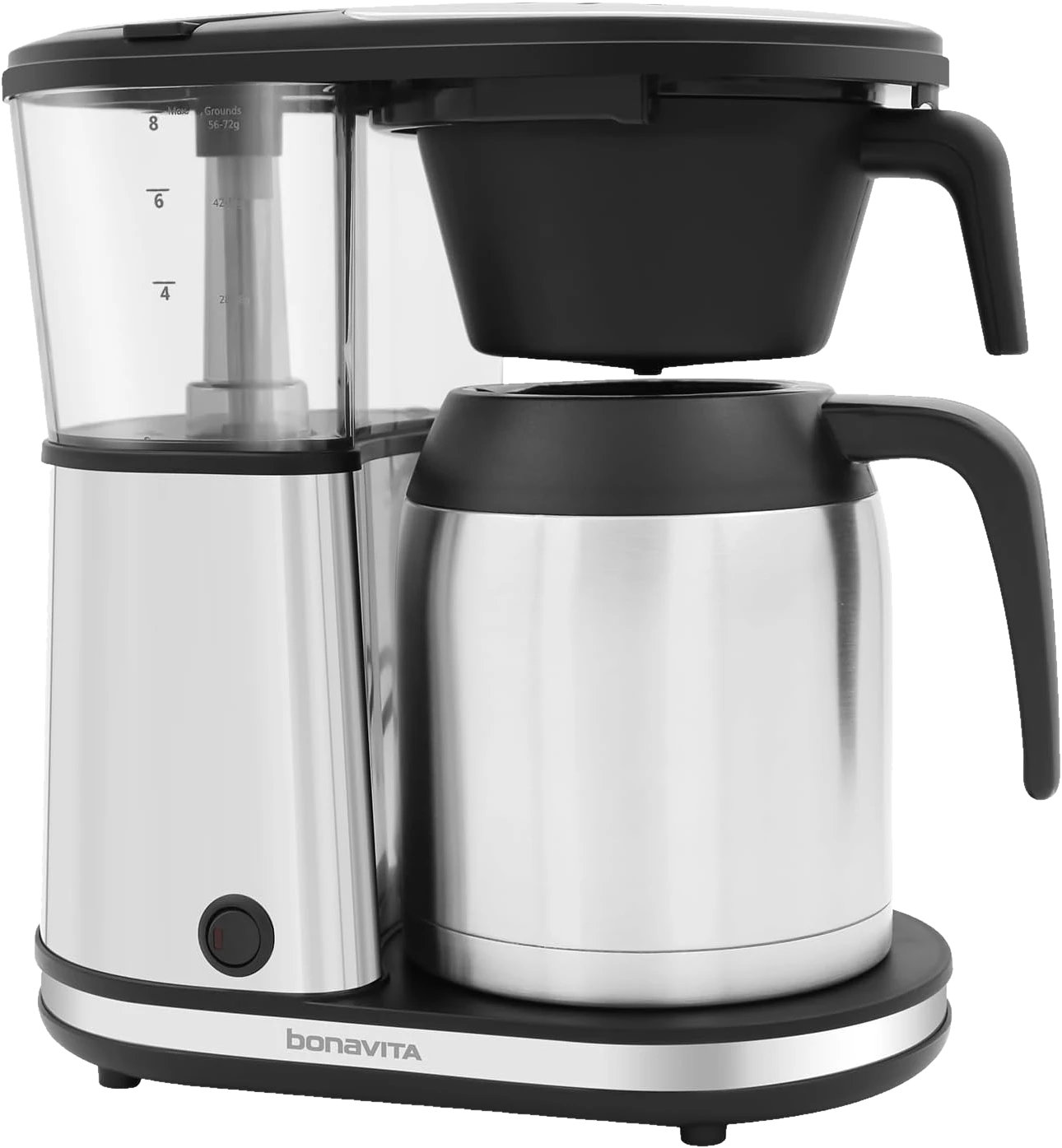
Bonavita Connoisseur 8-Cup

Bonavita Connoisseur 8-Cup

Around $160

SCA-certified 8-cup brewer with optional pre-infusion bloom, wide showerhead, hanging filter basket, and stainless steel thermal carafe. One-touch operation.

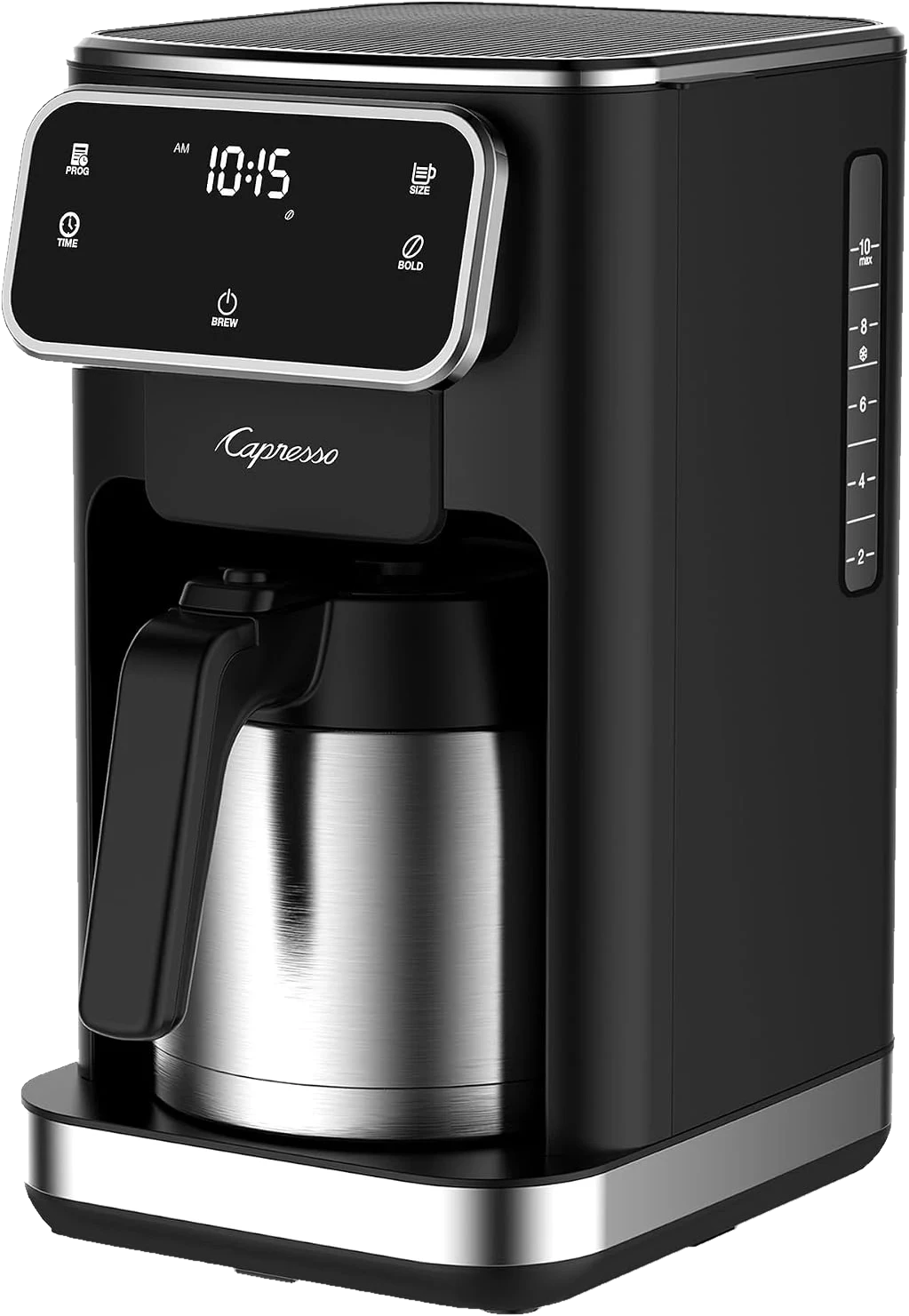
Capresso 10-Cup Touchscreen

Capresso 10-Cup Touchscreen

Around $120

Ten-cup brewer with a double-walled 430 stainless thermal carafe, a touchscreen panel, three strength settings, and cup-size selection from two cups up.

Under $200 every coffee maker is making a trade, and the useful question is not which machine is best but which trade you can live with. The specifications that get dropped as the price falls are, in order: brewing controls, then SCA certification, then the thermal carafe, then the brewing temperature itself.

Which of those you can give up depends on how fast your pot goes. A thermal carafe earns its price when coffee sits: a hotplate keeps the pot hot by heating it from below, and the last of a pot left for a couple of hours turns bitter. If the pot is gone within the hour, a hotplate costs you nothing you would taste, which is why the best machine on this page has one. Brewing controls you will probably never touch.

There is a bigger lever than any of this, though, and it is not on the page. At this price, a cheap brewer next to a burr grinder makes better coffee than an expensive brewer next to pre-ground supermarket coffee, and it is not close.

Best for most people

Carafe
Glass, hotplate
Makes
10 cups
Power draw
1,550 W
Certified
SCA

Why we love it

The CM401 is the Swiss Army knife of drip coffee makers. It's one of the few SCA-certified machines that can brew a single cup, a travel mug, a half carafe, or a full pot — all without changing the water level manually. The four brew styles (Classic, Rich, Over Ice, and Specialty) genuinely taste different, and the Specialty mode produces a concentrated brew that works surprisingly well as a base for lattes when paired with the fold-away frother. It's a lot of machine for the money.

Pros

  • SCA certified — real deal brew quality
  • 4 brew styles including Over Ice and Specialty concentrate
  • 6 brew sizes from single cup to full 10-cup carafe
  • Built-in fold-away milk frother
  • Removable water reservoir — easy to fill at the sink
  • Permanent filter included, also works with #4 cone paper filters

Cons

  • Large footprint — needs clearance for the swing-out brew basket
  • Glass carafe on a warming plate: fine for a pot you drink, but the last of it left for hours turns bitter
  • Specialty brew isn't real espresso (no pressure extraction)
  • Frother is basic — fine for milk foam, not microfoam
Best with a thermal carafe

Carafe
Thermal
Makes
8 cups
Certified
SCA
Stands out
Pre-infusion bloom

Why we love it

The Bonavita Connoisseur is proof that a great drip machine doesn't need to be complicated or expensive. It's SCA certified, has a wide showerhead for even saturation, a hanging filter basket for cleaner brewing, and an optional pre-infusion mode that mimics the bloom phase of a pour-over. The 1500W heater brews at 195–205°F and brews a full pot in about 6 minutes. One button. No menus. No modes. Stripped down to exactly what matters.

Pros

  • SCA certified — brews at 195–205°F
  • Optional pre-infusion bloom mode for richer extraction
  • Hanging filter basket — cleaner design than sitting on the carafe
  • Stainless steel thermal carafe — no hotplate
  • One-button operation — couldn't be simpler
  • Compact footprint — great for smaller kitchens

Cons

  • No programmable timer — you have to press the button yourself
  • 8-cup capacity is smaller than most machines
  • Thermal carafe lid must be removed for brewing, then reattached
  • No brew strength or small-batch mode

A thermal carafe for less

Carafe
Thermal
Makes
10 cups
Stands out
Touchscreen

Why we love it

The cheapest way to stop cooking your coffee on a hotplate. A double-walled stainless carafe at this price usually means giving up something else, and here what you give up is certification — Capresso doesn't publish an SCA rating or a brew temperature. What you get is the thing that matters most day to day: coffee that is still drinkable an hour after it was made, and a cup-size setting so brewing two doesn't mean brewing ten.

Pros

  • Double-walled stainless thermal carafe at the low end of the range
  • Cup-size selection so a small brew isn't a wasted pot
  • Three brew strength settings
  • Large touchscreen rather than a row of unlabelled buttons

Cons

  • No SCA certification and no published brew temperature
  • Touchscreen is harder to use by feel than physical buttons
  • Thermal carafes pour more slowly than glass
  • Capresso publishes less specification detail than the brands above it

Most capacity for the money

Carafe
Glass, hotplate
Makes
14 cups
Stands out
Adjustable warming plate
Timer
Programmable

Why we love it

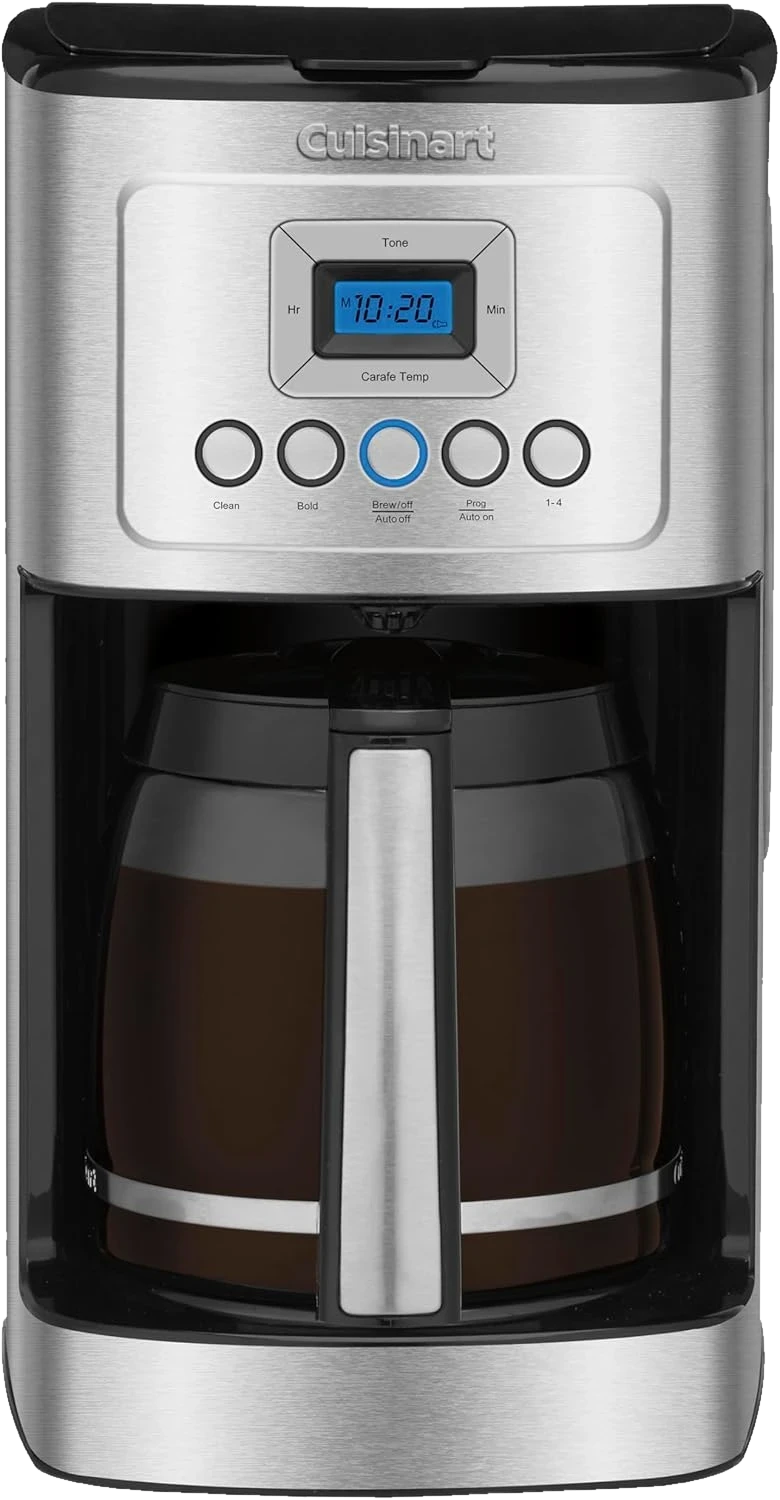
The default American coffee maker, and it earns the position on capacity rather than craft. Fourteen cups is more than any specialty brewer here makes, the warming plate has three temperature settings instead of one permanently-too-hot one, and the small-batch mode adjusts for brewing less than a full pot. It is a glass carafe on a hotplate, which is the honest trade: this is the machine for a household that drinks a pot, not the machine for the best single cup.

Pros

  • Fourteen cups — the largest capacity in this catalogue
  • Warming plate has low, medium and high rather than one setting
  • Small-batch mode for brewing under a full pot
  • Brew-pause lets you pour mid-cycle
  • Fully programmable a day ahead

Cons

  • Glass carafe on a hotplate — it will stew coffee left sitting
  • No SCA certification or published brew temperature
  • Large footprint for the capacity
  • Brew strength is two settings, not a range

With a grinder built in

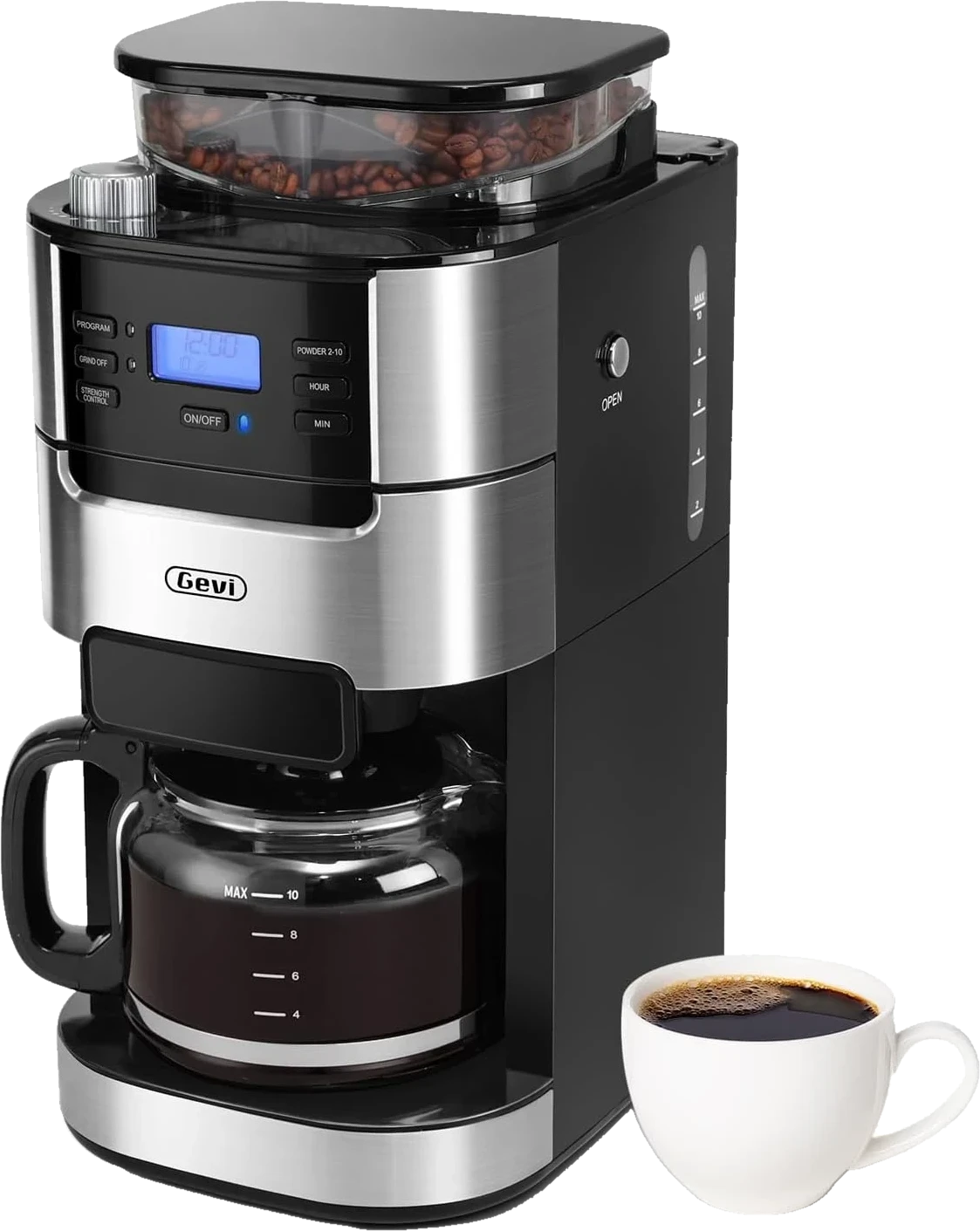
Gevi 10-Cup Grind & Brew

Gevi

Gevi 10-Cup Grind & Brew

7.6/ 10
Gevi 10-Cup Grind & Brew is sold out on AmazonCheck Kenmore Elite Grind and Brew on AmazonAround $270
Carafe
Glass, hotplate
Makes
10 cups
Stands out
Built-in burr grinder
Timer
Programmable

Why we love it

An inexpensive way into a genuine burr grind-and-brew. Eight grind settings and a pre-brew bloom are specifications you normally have to pay a lot more for, and a 2-cup mode adjusts the water-to-coffee ratio instead of just brewing less. It's built to a budget — but the grinder is a burr, which is the part that actually decides how the coffee tastes.

Pros

  • Built-in burr grinder at the bottom of the category's price range
  • Eight grind settings and three strength levels
  • Pre-brew bloom, usually a feature of far pricier machines
  • Two-cup mode adjusts the ratio rather than just brewing less
  • Reusable filter included

Cons

  • Gevi lists several near-identical models, so the exact one can change under you
  • Tall — check cabinet clearance before buying
  • Less established than the brands above it, with a shorter track record
  • Glass carafe on a hotplate, not thermal

For one or two people

Sizing down is an upgrade if you have been brewing a pot and pouring half of it away.

For a Desk
Carafe
Glass, hotplate
Makes
5 cups
Power draw
650 W
Stands out
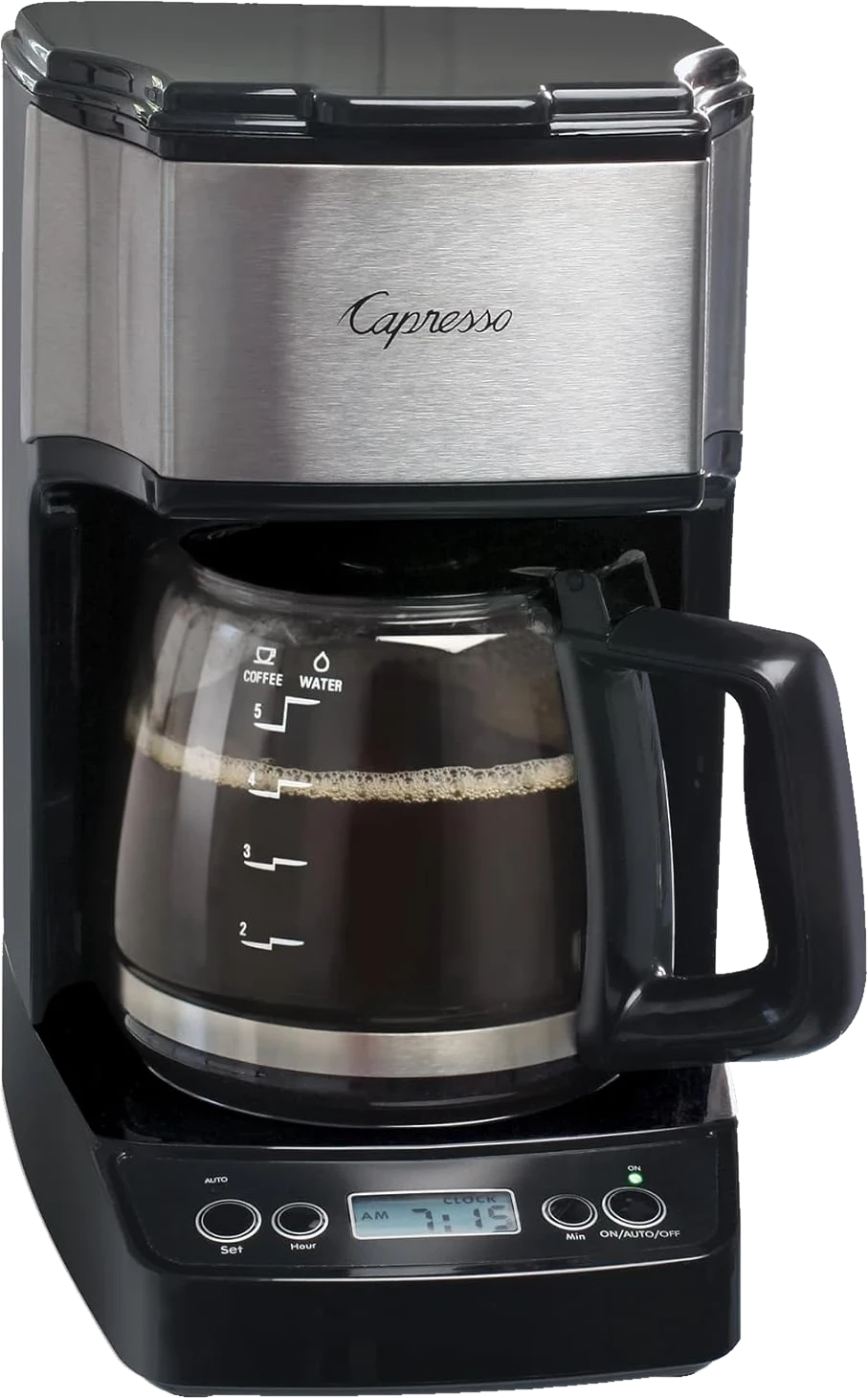
Tiny footprint

Why we love it

The Capresso Mini Drip is the entry point for anyone who wants a real coffee maker without spending real money. At around $50, it brews less than a minute per cup, has a 24-hour programmable timer so you can wake up to fresh coffee, and includes a permanent GoldTone filter so you're not buying paper filters. The footprint is tiny — 6.25 by 8 inches — which makes it ideal for small kitchens, dorm rooms, or offices. It's not going to compete with SCA-certified machines on extraction quality, but for the price and size, it punches way above its weight.

Pros

  • Extremely affordable — best drip machine under $50
  • Tiny footprint — fits in small kitchens, dorms, and offices
  • 24-hour programmable timer
  • GoldTone permanent filter — no paper filters needed
  • Brews fast — under a minute per cup
  • Drip stop lets you pour a cup mid-brew

Cons

  • Not SCA certified
  • Glass carafe on a hotplate: a five-cup pot is usually gone before it matters, but a last cup left on the plate turns bitter
  • 5-cup capacity only (25 oz) — not for big households
  • No thermal carafe option
  • No brew strength adjustment
Thermal, SCA Certified
Carafe
Thermal
Makes
7 cups
Power draw
1,100 W
Certified
SCA

Why we love it

Small brewers are usually where the specifications quietly disappear — a hotplate, a vague temperature claim, no certification. This one keeps all of it at half the size: SCA certified, 194–205°F, an optional bloom, and a thermal carafe rather than a warming plate. If you brew for one or two people, this is the same engineering as the eight-cup machines without three days of stale coffee in the pot.

Pros

  • SCA certified at five-cup size, which is rare
  • Double-wall stainless thermal carafe, not a hotplate
  • Optional pre-infusion bloom
  • Brews a full carafe in about five minutes
  • Carafe lid, basket and showerhead are dishwasher safe

Cons

  • Five cups is genuinely small if anyone else drinks coffee
  • No programmable timer
  • Costs more than eight-cup machines with worse specifications
  • Thermal lid has to come off to brew and go back on after

Spending as little as possible

Carafe
Glass, hotplate
Makes
12 cups
Power draw
975 W
Stands out
Pause and pour

Why we love it

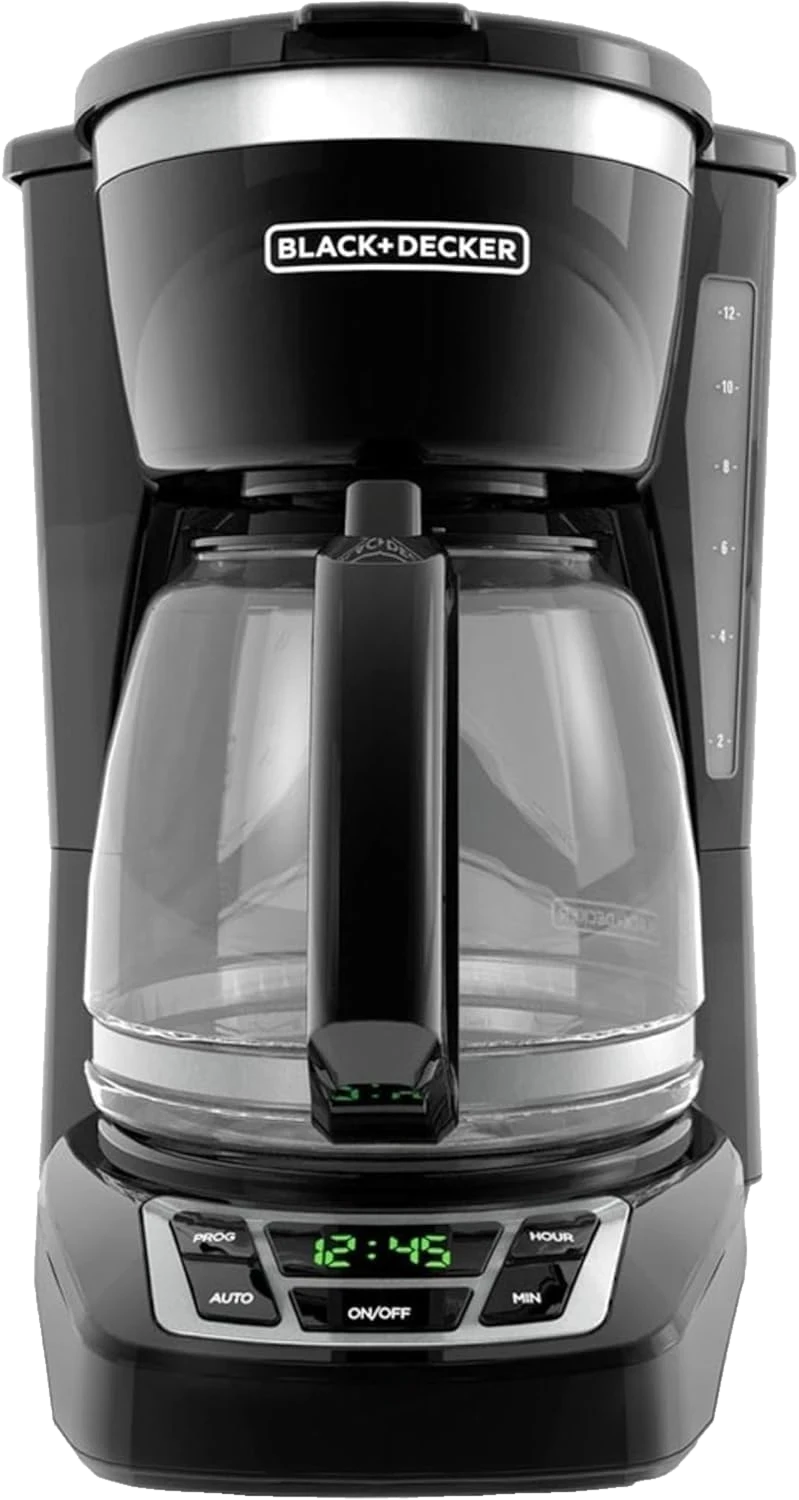
The floor of the category, and useful precisely because it is. Twelve cups, a day-ahead timer and a pause-to-pour for less than most of the grinders here cost. Nobody should expect brew-temperature control at this price and BLACK+DECKER doesn't claim any — but a first apartment, an office kitchen or a rental needs a pot of coffee, not a certification, and this makes one reliably.

Pros

  • Cheapest machine in the catalogue by a wide margin
  • Twelve-cup capacity at that price
  • Programmable a day ahead with auto shut-off
  • Sneak-a-cup pause for pouring mid-brew
  • Uses standard paper filters, nothing proprietary

Cons

  • Glass carafe on a hotplate
  • No brew temperature published and no certification
  • No strength control or small-batch setting
  • Built to a price — expect to replace it before a specialty brewer

Under $200, the grinder is the better upgrade

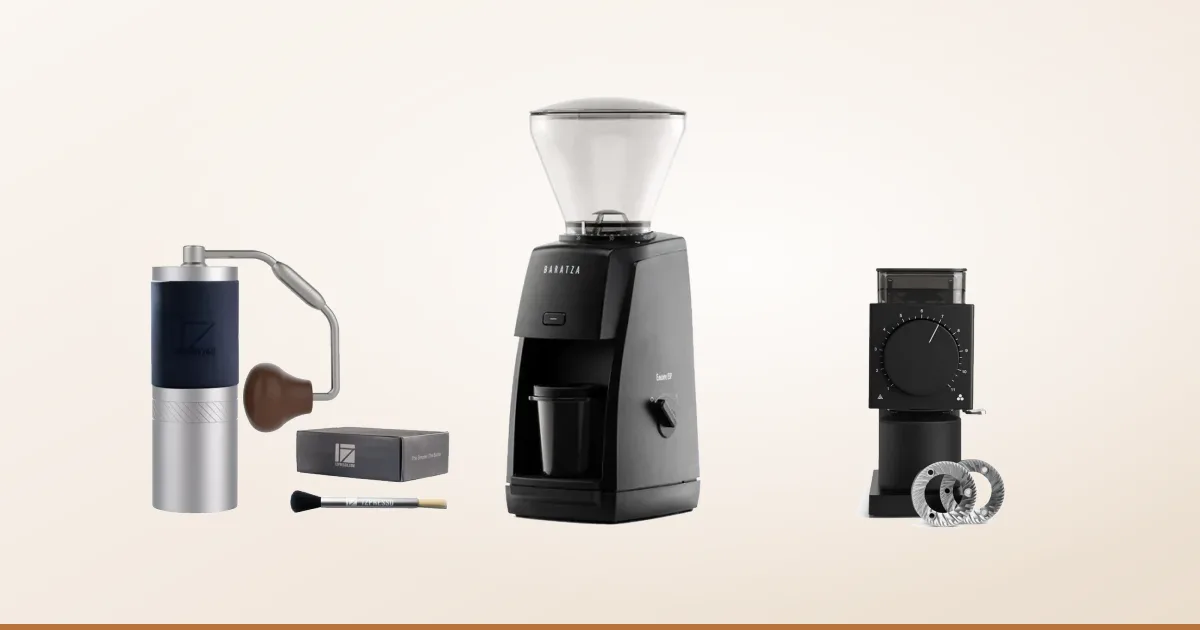
This is the price range where that stops being a slogan and starts being arithmetic. A cheap brewer with a burr grinder makes better coffee than an expensive brewer with pre-ground supermarket coffee, and it is not close — grind consistency does more for the cup than brew temperature does. If your budget covers one of these plus a burr grinder, spend it that way rather than on the best brewer the whole budget buys.

How we chose these

Grouped by what each machine gives up rather than by price bracket, because a price bracket tells you nothing about which compromise you are buying. SCA certification and thermal carafes were treated as the two specifications worth paying for, in that order, and hotplate machines were not excluded — they are the honest answer for a household that finishes the pot. Capacity was matched to use rather than maximised. Machines were checked for buyable, current listings at the stated price rather than a discontinued model still showing an old figure.

What to know before you buy

What’s the best coffee maker under $200?

The Ninja CM401 at $170. It is SCA certified, so brew temperature was measured rather than claimed, and it does more than anything else on this page: a single cup to a full ten-cup pot, iced coffee, a fold-away milk frother, and a water tank that lifts off to fill at the sink. What it gives up is the thermal carafe. If your pot sits for an hour or more, buy the Bonavita Connoisseur at $160 instead: SCA certified, a stainless thermal carafe and an optional bloom, with no timer.

What’s the best coffee maker under $100?

The Cuisinart DCC-3200 makes the most coffee at that level: fourteen cups, a warming plate with three settings and a small-batch mode. If you want a thermal carafe instead of a hotplate, the Capresso 10-Cup is the step just above it. For less, the Capresso 5-Cup at $50 is right for one person and the BLACK+DECKER at $35 makes a full pot for less than a bag of good beans. None of these publishes a brew temperature, which is what separates them from the machines above.

Is a thermal carafe worth it on a cheap coffee maker?

It is worth paying for if your pot sits. A hotplate holds temperature by heating the pot from below, so coffee left on it for a couple of hours turns bitter, and a cheap machine on a hotplate is where that reputation comes from. A thermal carafe just insulates, which also means it only keeps the heat it starts with. If the pot never survives the hour in your house it makes no difference at all, and you should buy capacity or features instead.

Does SCA certification matter at this price?

It is the most useful thing on a cheap machine’s spec sheet, because it is the only claim somebody else tested. Certification means the machine holds 196–205°F across a full brew cycle, which is precisely where budget brewers fail — they run cool, and cool water under-extracts, giving you coffee that tastes weak and sour no matter how much you use. Three machines on this page are certified, the Ninja and both Bonavitas. It is a fair reason to pick them.

Should I buy a cheaper coffee maker and a grinder instead?

Almost always, yes, and this is the price range where it stops being a slogan. Grind consistency does more for a cup than brew temperature does, and pre-ground supermarket coffee has been losing aromatics since it was packed. A budget brewer plus a burr grinder beats the best brewer this whole budget buys, used with pre-ground. If you can only afford one upgrade, make it the grinder.

What’s the best coffee maker under $200 with a grinder?

The Gevi 10-Cup, which puts a burr grinder and a brewer in one box. What pays for the grinder is the carafe — it is glass on a hotplate. Worth knowing before you buy: a separate grinder and a separate brewer will both outlast it and can be replaced independently, which an all-in-one cannot.

How many cups do I actually need?

Fewer than the box suggests, because a “cup” on a coffee maker is about 5 oz rather than a mug. A 12-cup machine makes roughly six mugs. The mistake that costs the most in taste is buying too big and brewing half pots, or brewing full ones and leaving the rest to sit — both produce worse coffee than a smaller machine used properly. Size for the morning you actually have.

Bottom line

Buy the Ninja CM401 at $170: SCA certified, the most machine on the page, and a tank you fill at the sink. If your pot sits, the Bonavita Connoisseur at $160 trades those extras for a thermal carafe. If the budget is tighter, the Capresso 10-Cup at $120 keeps the carafe and drops the certification, and the BLACK+DECKER at $35 makes a perfectly good pot for less than most of the accessories on this site. Whichever you pick, put whatever is left toward a burr grinder — at this price it will do more for the coffee than the brewer will.

Related guides

Stay in the loop

New gear reviews, brew tips, and the occasional deal — straight to your inbox. No spam, ever.